SAEDNEWS: If you are interested in exploring Spain’s attractions, this section introduces Zaragoza, one of the country’s most fascinating cities, and highlights its most notable sights.
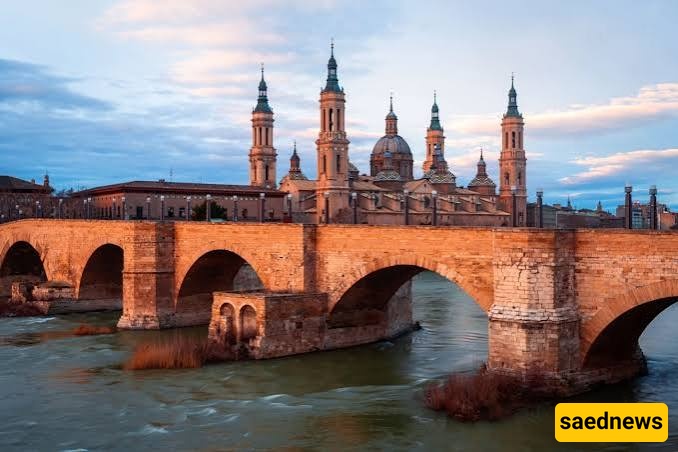
According to Saednews, Although famous Spanish cities such as Madrid, Barcelona and Valencia often steal the spotlight, Zaragoza deserves just as much attention for its remarkable history, culture and tourist attractions.
Zaragoza is a city shaped by centuries of dramatic history. Romans, Jews, Christians and Muslims have all left their mark here, creating an extraordinary collection of monuments and cultural treasures that now attract visitors from around the world.
Beautiful rivers flow through the heart of Zaragoza, nourishing its parks and natural spaces and making the city appealing to nature lovers as well. This lesser-known Spanish destination combines ancient heritage, impressive architecture and scenic surroundings, and it may soon become one of Spain’s most talked-about cities.
Population: Approximately 700,000
Area: 1,062 square kilometres
Location: Capital of the Autonomous Community of Aragon, Spain
Zaragoza is a fascinating destination filled with historical and cultural treasures waiting to be discovered. Visitors can explore ancient Roman ruins, important Christian landmarks and outstanding art museums.
Among the city’s most important attractions is the Basilica of Our Lady of the Pillar, one of Spain’s most significant pilgrimage churches. Other remarkable landmarks include the Aljafería Palace, the Cathedral of San Salvador, the Church of San Pablo and several beautiful examples of Gothic, Renaissance and Mudéjar architecture.
Art lovers will also find plenty to enjoy, including museums featuring works associated with the renowned painter Francisco de Goya and the contemporary sculptor Pablo Serrano.
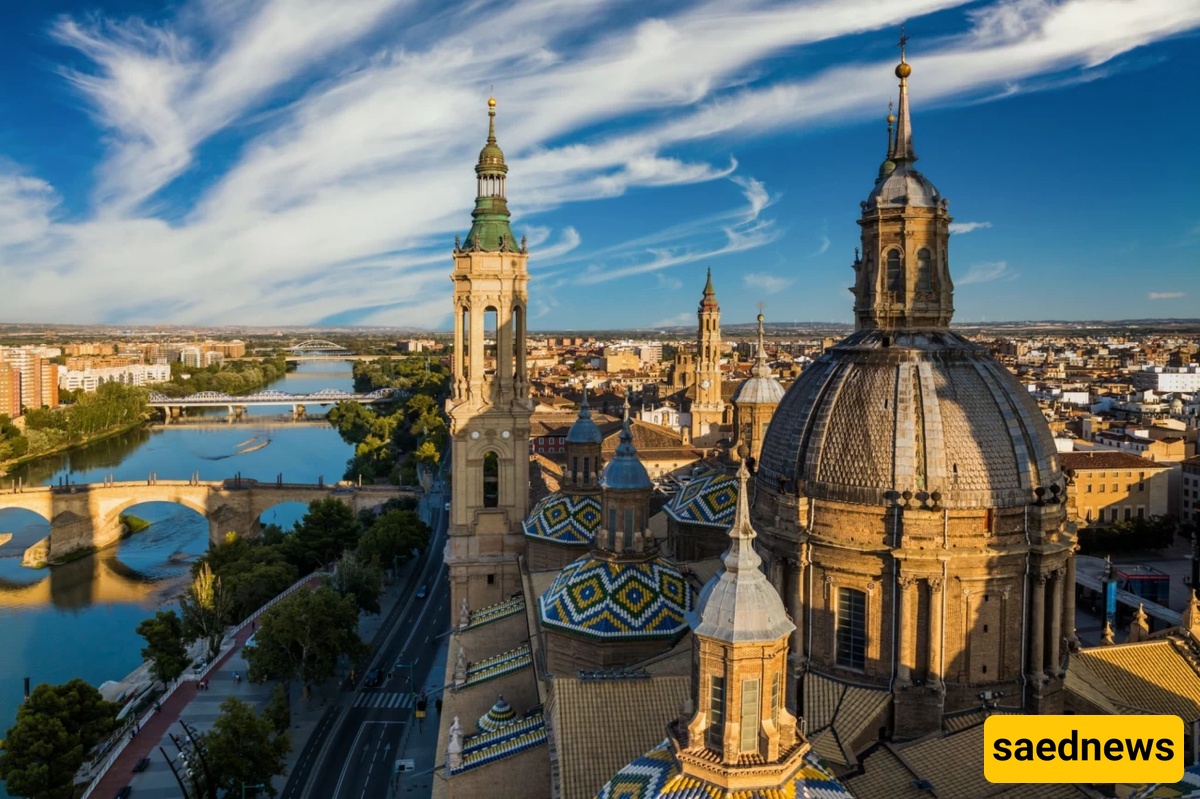
With its striking towers and magnificent location beside the Ebro River, the Basilica of Our Lady of the Pillar is Zaragoza’s most famous symbol.
This spectacular Baroque landmark was developed mainly between the 17th and 18th centuries. Its riverside setting offers beautiful views, while the main entrance faces Plaza del Pilar, one of the city’s most important public spaces and a square surrounded by historic buildings.
Take time to admire the impressive exterior before stepping inside to explore its richly decorated interior. According to Christian tradition, this is one of the earliest churches associated with the Virgin Mary, and it remains one of Spain’s most important religious sites.
The Museum of the Roman Forum offers visitors a glimpse into Caesaraugusta, the ancient Roman city that once stood where modern Zaragoza is located.
The city was named after Emperor Augustus, who founded the Roman settlement. Caesaraugusta became an important and prosperous city, featuring a theatre, public baths and a forum at its centre.
The museum is located within an archaeological site beneath Plaza de la Seo. Visitors can see remains dating back to the Roman period, including traces of the old marketplace, shop walls, water pipes and drainage systems. Educational displays and audiovisual presentations help bring the ancient city to life.
Evidence of Zaragoza’s long history can still be found throughout its old streets and historic neighbourhoods. The city was originally known as Caesaraugusta, after the Roman emperor Caesar Augustus. Over time, its name evolved into Zaragoza.
The city later became an important centre under Muslim rule, and Islamic art and culture contributed significantly to its development. These different civilizations created the rich cultural identity that visitors can experience today.
During the second half of the 20th century, economic development brought population growth and industrial expansion. Modern factories and new construction added another dimension to the city, creating a fascinating contrast between historic heritage and contemporary life.
Zaragoza’s true character can be discovered in its ancient streets, churches and historic monuments. Around almost every corner, visitors encounter reminders of the civilizations that once shaped the city.
Zaragoza has a Mediterranean climate, with hot summers and cold winters. Rainfall is relatively limited, averaging around 318 millimetres annually.
During July and August, temperatures can rise above 30°C and occasionally approach 40°C. For more comfortable sightseeing, the best times to visit are generally from March to June and from September to October, when the weather is cooler and more pleasant.
Planning your trip during these months can make exploring Zaragoza’s historic and cultural attractions even more enjoyable.
The Feast of El Pilar is Zaragoza’s most important annual celebration. Held in October, the festival honours Our Lady of the Pillar.
The celebrations usually take place during the week that includes 12 October. Participants wear traditional clothing, enjoy music and festivities, and watch colourful fireworks displays. One of the best-known traditions involves offering flowers in honour of the Virgin.
Like many Spanish cities, Zaragoza celebrates Easter with great importance and ceremony.
Music plays a central role in the celebrations, combining religious traditions with the talents of local musicians. The city’s Holy Week traditions have a long history and attract large numbers of participants and visitors every year.
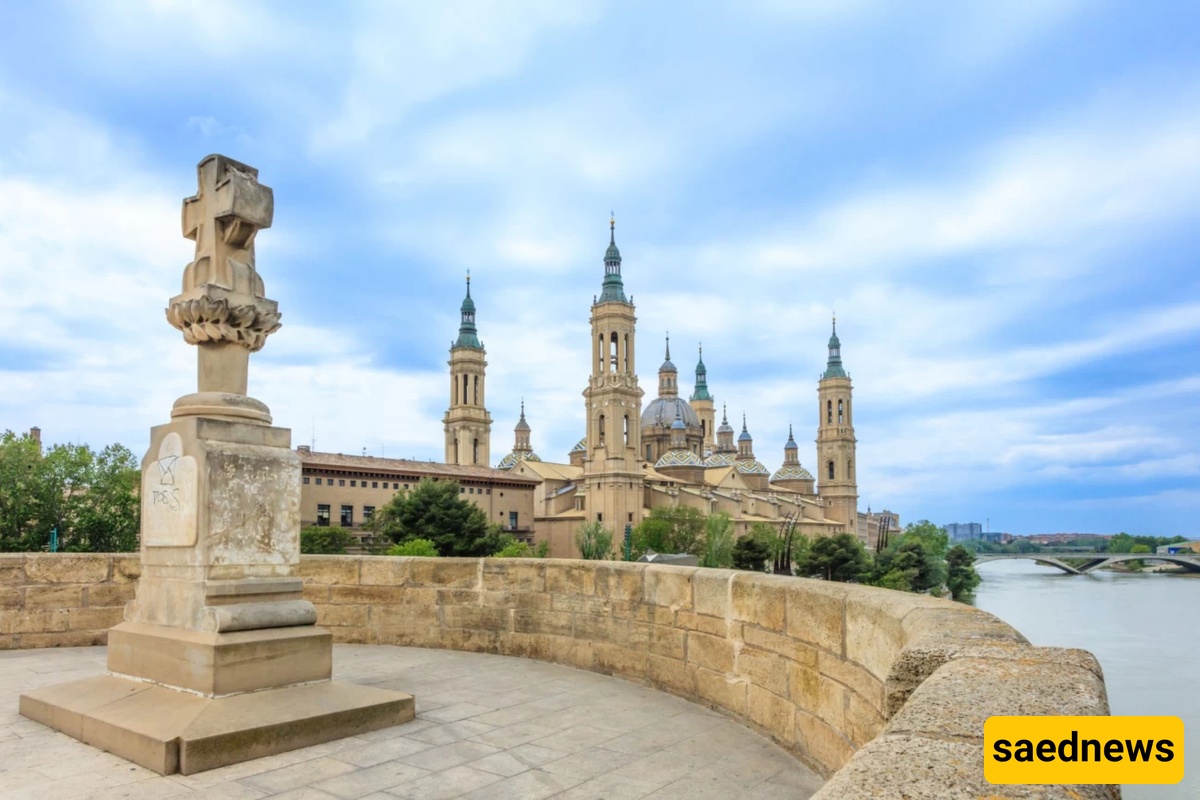
Dedicated to the Holy Saviour, the Cathedral of San Salvador is commonly known as La Seo.
The cathedral was built during the 12th century on the site of an earlier Roman structure, which later became an important mosque during the period of Muslim rule.
Elements of the site’s earlier history can still be seen in the building. The former mosque’s minaret eventually became part of the cathedral structure, while Roman and later architectural influences remain visible throughout the complex.
With five naves and a remarkable mixture of architectural styles, La Seo reflects Zaragoza’s long and diverse history. Gothic, Renaissance and other artistic elements combine to make it one of the city’s most important monuments.
Located in the heart of Zaragoza, the Aljafería Palace is an impressive 11th-century fortress and one of the city’s most remarkable historic landmarks.
Its defensive structures have been exceptionally well preserved, including sections of the walls and towers that once protected the fortress. The complex is arranged around a courtyard, with towers positioned around the defensive perimeter. One of the most distinctive structures is the rectangular Troubadour Tower.
Beautiful Islamic-style ceilings and elaborate plasterwork add to the palace’s architectural charm. Today, Aljafería Palace serves as the seat of the Parliament of Aragon and remains one of Zaragoza’s most important examples of Islamic heritage.
The Church of San Pablo is an important example of Aragonese Mudéjar architecture and has been recognised as part of a UNESCO World Heritage tradition because of its outstanding historical and architectural significance.
Built during the 13th and 14th centuries to replace an earlier, smaller church, the building was later expanded. Its spacious interior, single nave and impressive vaulted ceiling create a grand atmosphere.
The church contains important works of art and underwent further enlargement between the 15th and 18th centuries. One of its notable artistic treasures is a Renaissance altarpiece associated with Saint Paul.
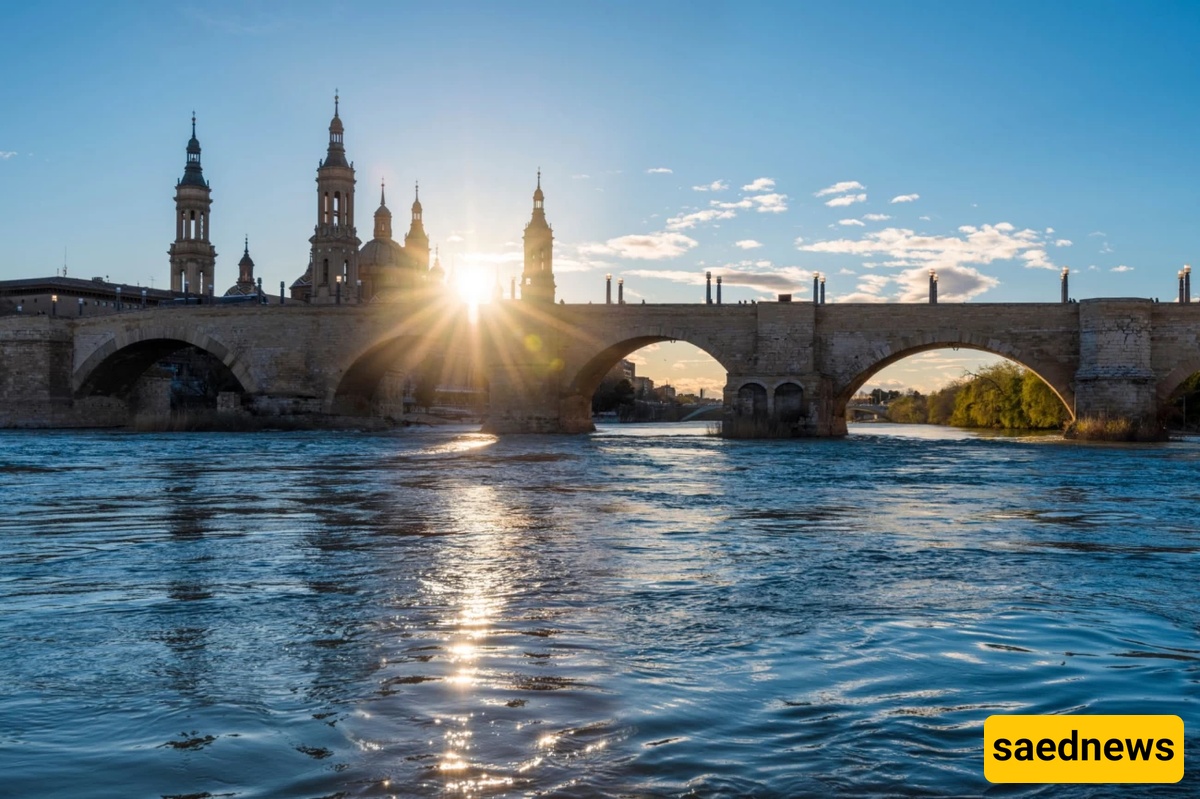
La Lonja is an impressive 16th-century building located in Plaza del Pilar.
Historically, it served as Zaragoza’s commercial exchange, where merchants conducted trade and business transactions. Designed in the Renaissance tradition, it is considered one of the city’s finest examples of Renaissance civic architecture.
The rectangular brick building features elegant architectural details and a decorative façade with a series of arched windows.
Zaragoza is located in northeastern Spain and serves as the capital of the Autonomous Community of Aragon. Its position between Madrid and Barcelona makes it an important cultural and transportation centre.
The city is best known for its location along the Ebro River and its unique combination of Roman, Islamic, Gothic, Renaissance, Baroque and modern heritage.
The Pablo Serrano Museum, also known as the Pablo Serrano Institute of Modern and Contemporary Art, is dedicated to the work of the Aragonese artist Pablo Serrano.
Its collection follows the development of Serrano’s artistic career, from his early figurative works to his later expressionist creations.
The museum displays approximately 140 paintings and sculptures, offering visitors an opportunity to explore the artist’s creativity, evolution and contribution to modern art.
Zaragoza’s Roman Theatre was discovered in 1972 at the archaeological site of ancient Caesaraugusta.
Today, the remains are presented in a dedicated exhibition space where visitors can explore one of the city’s most important Roman monuments. The theatre, built during the 1st century AD, played a significant role in the social and cultural life of the ancient Roman population.
Archaeological remains help illustrate the importance of the theatre and provide insight into everyday life in Roman Zaragoza. The exhibition also features interesting artefacts, including decorative stonework and other objects uncovered during archaeological excavations.