SAEDNEWS: Deep within the lush Hyrcanian forests near the village of Tirken, seven cascading waterfalls tumble through the landscape, creating a hidden natural gem that invites every nature lover to discover tranquility and wonder.
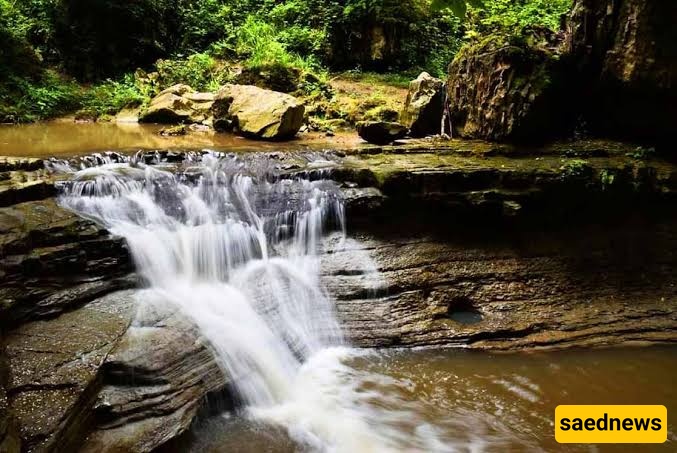
According to Saednews, Mazandaran, a land of dense forests, towering mountains, and bubbling springs, is undoubtedly one of the most beautiful provinces in Iran. Yet among all this natural splendor, there are places that have never made it into major travel headlines or appeared in the usual tourism brochures. One such remarkable and lesser-known attraction is the Seven Waterfalls of Lafour, located in the Lafour Forest near the village of Tirken.
These cascading waterfalls, set deep within the ancient Hyrcanian forests and along a rushing mountain river, create a spectacular natural landscape that can captivate anyone who loves the outdoors.
Lafour Forest is one of the pristine protected areas of Savadkuh County in Mazandaran Province. Located in the Central Alborz mountain range, the area forms part of the ancient Hyrcanian forests, whose history dates back to the Cretaceous period. The Hyrcanian forests are also recognized as a UNESCO World Heritage Site.
Lafour is bordered by the city of Zirab to the north, Tehran Province, specifically the Firuzkuh area, to the south, and the Alborz highlands to the east and west.
Tirken Village lies within these dense forests, at a convenient distance from the main Firuzkuh road. The village is located at approximately 35°50′ north latitude and 52°50′ east longitude, at an elevation of around 2,000 meters above sea level. It enjoys a cool and pleasant climate during spring and summer.
The village is approximately 140 kilometers from Tehran and around 65 kilometers from Qaem Shahr.
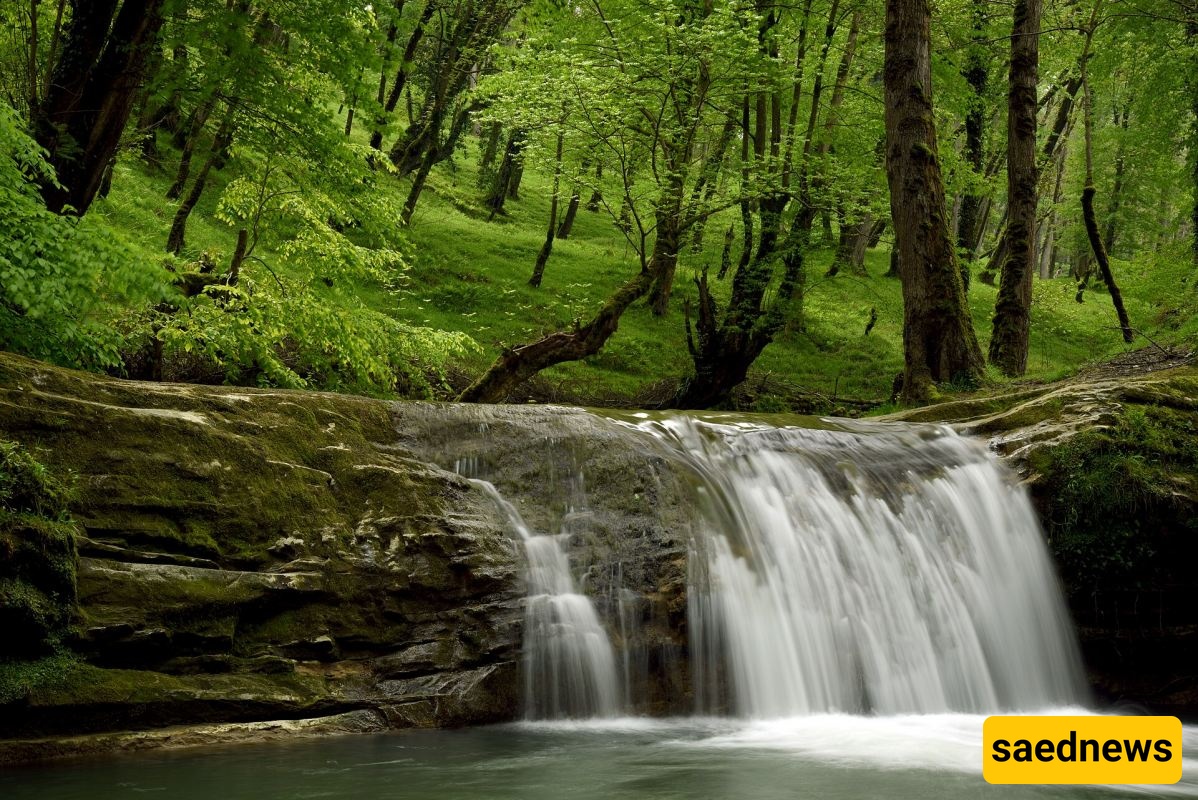
As its name suggests, the Seven Waterfalls of Lafour consist of seven natural waterfalls formed along a mountain river and extending through a forested valley. What distinguishes them from many other waterfalls in Iran is their close succession and concentration.
Along a route of approximately 1.5 kilometers, seven waterfalls of different sizes appear relatively close to one another.
The tallest waterfall is approximately 15 to 20 meters high, while the smallest is around 3 meters. Water flows throughout the year, although its volume increases dramatically in spring following heavy rainfall. During this period, the powerful roar of the waterfalls echoes throughout the valley.
Clear natural pools have formed at the base of several waterfalls, adding to the area's beauty while providing habitats for amphibians and a variety of insects.
To reach the Seven Waterfalls of Lafour, travelers need to leave the Firuzkuh road, also known in this area as the Haraz route, and take a secondary road leading toward Lafour Forest. After passing several small villages and traveling roughly 20 kilometers through forest roads, you will reach Tirken Village.
Parts of the access road are unpaved or covered with rough stone, so driving a regular passenger car is not recommended. A four-wheel-drive or off-road vehicle is a more suitable choice.
From Tirken Village, the waterfalls are reached by approximately a 3-kilometer hike through the forest. The trail initially passes through the village's fields and gardens before gradually entering dense woodland filled with beech, hornbeam, alder, maple, and oak trees.
The hiking trail is not clearly marked in every section, and some parts require climbing over rocks and large stones. Proper hiking footwear and basic outdoor equipment are therefore essential.
Throughout the walk, the sound of the river accompanies you. As you approach the waterfalls, the air becomes increasingly humid, while mosses and ferns become more abundant on the rocks.
When you reach the first waterfall, the surrounding trees seem to open a natural window onto a remarkable scene: streams of water pour over the rocks, forming a crystal-clear natural pool below.
Unlike many of Mazandaran's better-known tourist attractions, the Seven Waterfalls of Lafour have largely remained untouched by crowds and commercial development.
For those seeking an authentic experience of pristine nature and genuine tranquility, this destination can be an ideal choice. There are no luxury hotels, crowded restaurants, or souvenir shops here. Instead, visitors are surrounded by birdsong, the sound of wind moving through the forest, and the continuous music of the waterfalls.
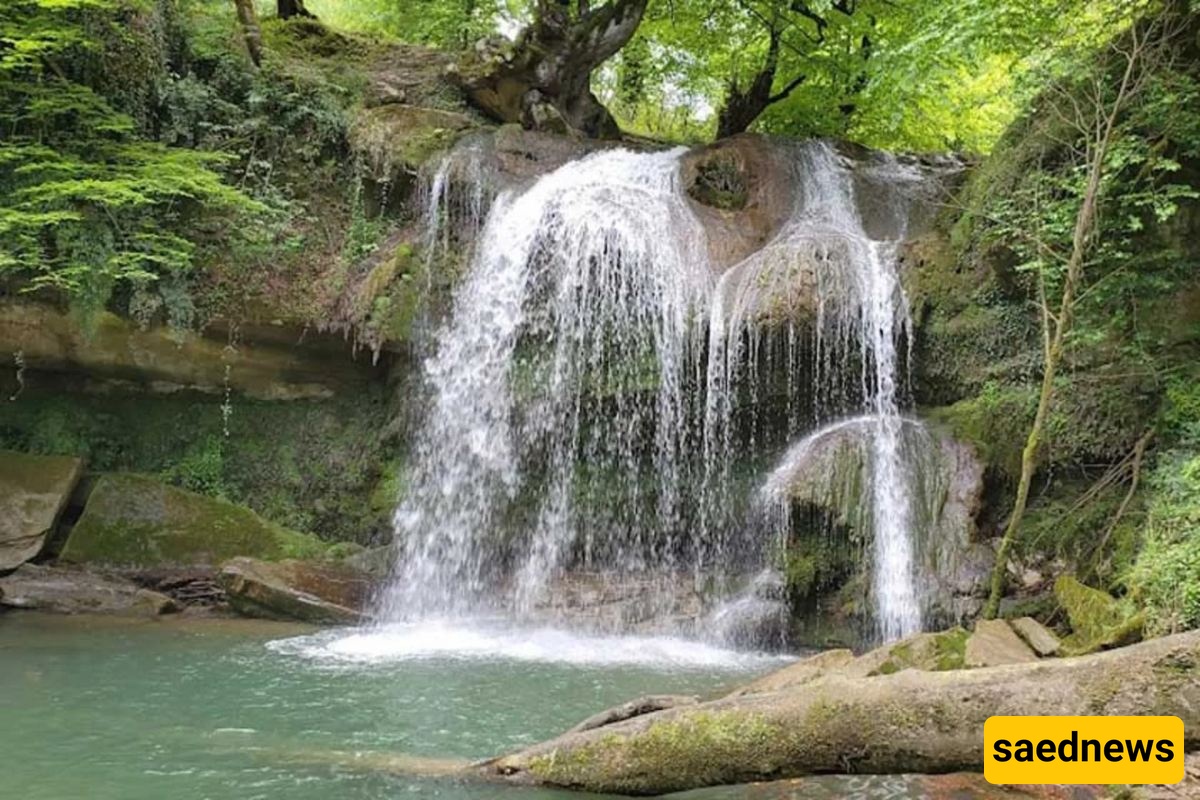
The area's pristine environment is home to a wide variety of wildlife, including brown bears, leopards, wild goats and sheep, wild boars, and roe deer. Birds such as the lammergeier, golden eagle, black vulture, and chukar can also be spotted among the surrounding cliffs.
This biodiversity is an indication of the health and resilience of the local ecosystem, making it even more important for visitors to help protect it.
Each season offers a different view of the waterfalls, but the best period to visit is generally from late May to early October.
During this period, temperatures are moderate, hiking conditions are safer, and the waterfalls tend to have a stronger and more impressive flow.
Early spring brings the greatest volume of water because of snowmelt from the higher elevations, creating a dramatic and powerful landscape. However, trails can also become muddy and slippery during this period.
In autumn, the brilliant colors of the forest create a dreamlike atmosphere. The waterfalls framed by shades of yellow, orange, and red become particularly photogenic.
Winter brings heavy snowfall, sometimes transforming the waterfalls into striking columns of ice. This can be especially appealing to experienced mountaineers and photographers, but access becomes extremely difficult and potentially dangerous. Visiting during winter without complete cold-weather and mountaineering equipment is not recommended.
Bring essential equipment: Proper mountain hiking shoes are strongly recommended; avoid casual footwear and lightweight sports shoes. A backpack, sufficient drinking water, food, a hat, and sunglasses are also basic necessities.
Carry a map and GPS: Mobile phone coverage can be unreliable in parts of the forest. Download an offline map and consider carrying a GPS navigation device.
Avoid returning after dark: Plan your hike so that you are on your way back before sunset. Darkness in the forest, combined with slippery rocks, can be extremely dangerous.
Inform local residents: Before beginning your hike, let people in Tirken Village know that you are heading toward the waterfalls. This can make it easier for them to assist you in case of an emergency.
Leave no trace: Collect all your waste and do not remove plants, rocks, or other natural objects as souvenirs. Damaging trees and vegetation is strictly unacceptable.
Be cautious around the cold pools: The pools beneath the waterfalls can be extremely cold, creating a risk of thermal shock and muscle cramps. If you choose to swim, never do so alone and keep your time in the water short.
Light fires only in permitted areas: If you need to cook or set up a camp, use designated areas without vegetation and make absolutely certain that the fire is completely extinguished before leaving.
Developing community-based rural tourism in the Lafour and Tirken area can be an effective way to strengthen the local economy, reduce rural migration, and create sustainable employment.
At the same time, combining tourism development with the protection of natural resources remains a serious challenge. Uncontrolled increases in visitor numbers, unauthorized construction, vehicles entering protected areas, and littering are among the most significant threats facing this fragile ecosystem.
Provincial and local authorities should therefore develop and implement a nature-tourism management plan centered on local community participation. Such a plan could include training local guides, installing clear trail signs, organizing vehicle parking areas, and providing basic visitor services in environmentally responsible ways.
With proper planning, the economic benefits of tourism can return to the village while the natural beauty of the Seven Waterfalls can be preserved for future generations.
Lafour Forest offers much more than the Seven Waterfalls. Around Tirken Village and along the Lafour route, visitors can find other attractions that can complement a few-hour excursion or even a full-day trip.
These include the beautiful summer highlands of Lafour, natural mineral springs, Gauband, and the area's wooded plains. Each offers its own character and appeal.
Together, these natural attractions provide an excellent opportunity to create a varied journey through the heart of the forest.
The Seven Waterfalls of Lafour, near Tirken Village, are a hidden gem among the countless natural attractions of Mazandaran. Here, the roar of cascading water blends with the whisper of leaves in ancient trees, creating a journey into a world of tranquility and extraordinary beauty.
This natural landscape is the result of millions of years of interaction between water, rock, and living organisms. At the same time, it is remarkably fragile and vulnerable.
Visiting this place is not only a rewarding travel experience; it is also a test of our responsibility toward nature. For anyone who loves exploring the outdoors, the first rule of responsible travel should always be to respect the environment and leave it exactly as it was found.
So, with open eyes and genuine respect for nature, we should experience the extraordinary beauty of the Seven Waterfalls while doing our part to preserve this living natural heritage for generations to come.