SAEDNEWS: In this article, we would like to introduce you to one of the popular attractions in the city of Izmir: Kadifekale, also known as the Velvet Castle. We will explore its history and highlight the key features of this ancient landmark.
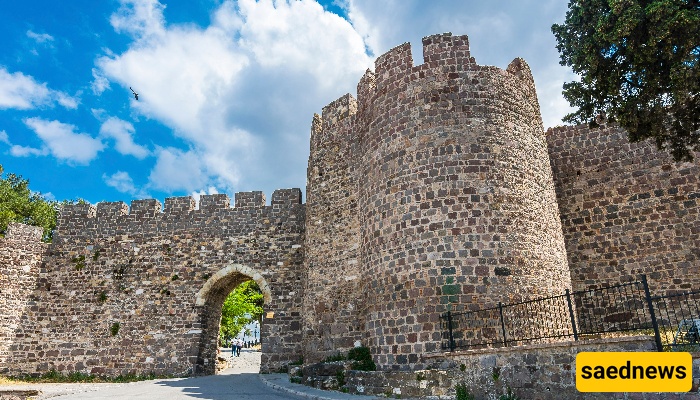
According to Saednews, citing Delgeram: Kadifekale Castle is located in the beautiful city of Izmir, the third-largest city in Turkey. In ancient times, the castle served as a guardian of Izmir and the Aegean Sea. Visitors interested in ancient architecture can also see traces of historic structures and sculptures along its walls.
Izmir can be considered Turkey’s westernmost major city. With a population of around 3 million, it is now regarded as a more relaxed alternative to Istanbul. Its streets and promenades offer the feeling of a city that blends the urban character of Los Angeles with the atmosphere of a Western European city.
Today, Izmir has become a popular holiday destination for travelers looking to escape the crowds and fast pace of Istanbul. However, there is no shortage of fascinating things to see and do in Izmir.
One of the city’s most notable attractions is Kadifekale Castle, also known simply as Kadifekale. The fortress stands on a hill in the center of Izmir and is considered one of the city’s most recognizable landmarks. Because of its long history and distinctive setting, it has attracted millions of domestic and international visitors over the years.
Locals have also referred to Kadifekale as the “Velvet Castle” since the 17th century. Its historic remains and unique character make it one of the most interesting places to visit in Izmir.
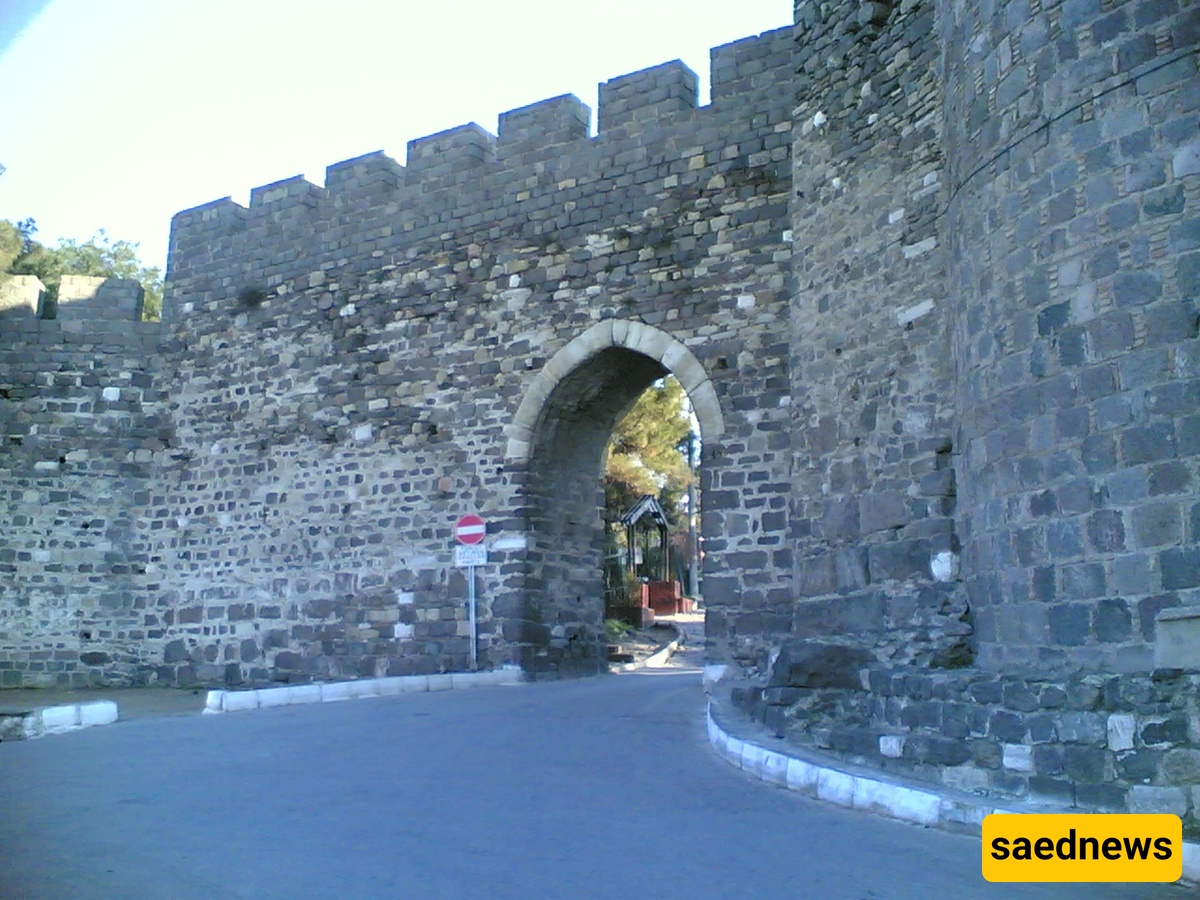
Kadifekale is one of Izmir’s most important historical and tourist attractions. The Velvet Castle captivates visitors with its ancient history, ruins, and panoramic setting.
The surviving sections of the fortress include five towers on the western side and part of the southern walls, while many other areas have been damaged or destroyed over time.
Today, the once-grand Kadifekale is an intriguing collection of ruins featuring towers, gates, arches, ruined baths, a mosque, and a cistern. Green vegetation adds character to the site, while the wide views across Izmir Bay make the experience even more impressive. As a place where different cultures and civilizations have left their mark, Kadifekale remains an important part of Turkey’s historical heritage.
The history of Kadifekale is closely connected with the ancient Greek city of Smyrna. Around the 3rd century BC, Smyrna was established on Mount Pagos and its surrounding slopes overlooking the sea.
There were originally two ancient settlements known as Smyrna: Old Smyrna and New Smyrna. Old Smyrna was inhabited from around the 11th century BC and was located at Tepekule.
According to tradition, Alexander the Great arrived in the region during the 4th century BC. While hunting near Mount Pagos, he reportedly rested beneath a plane tree and dreamed of a great city being established on the hill. His vision was eventually realized, although the new settlement developed after his death, when inhabitants moved from the older site.
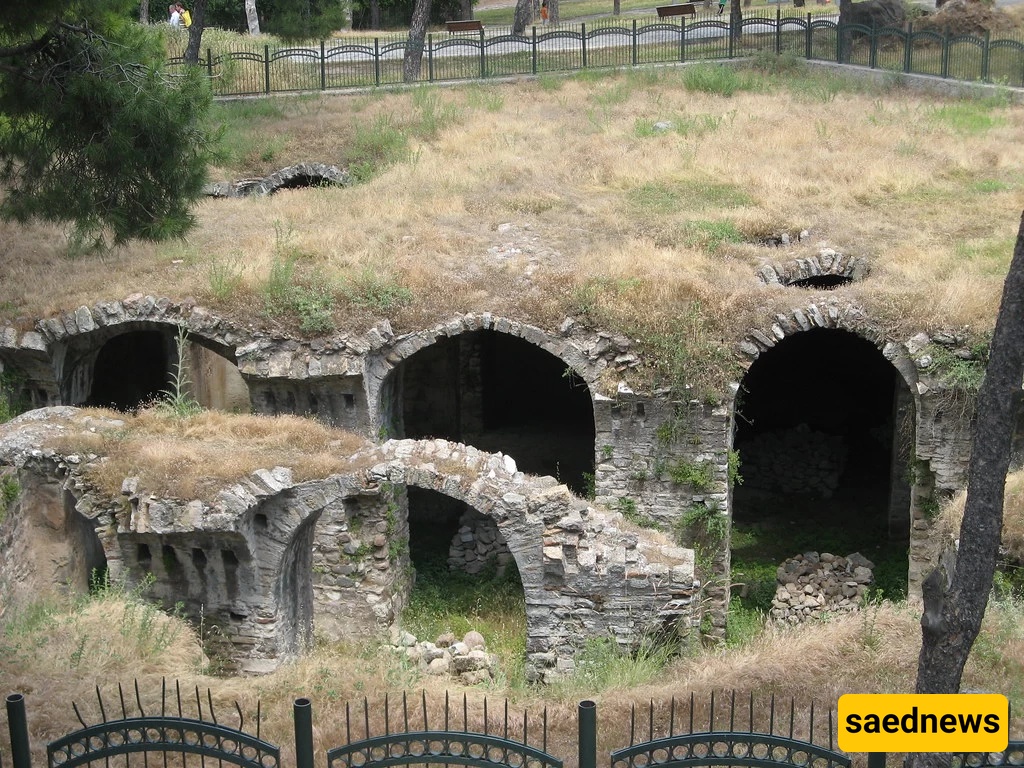
In 197 BC, Smyrna came under the control of the Kingdom of Pergamon. Later, in AD 178, a devastating earthquake destroyed much of the city. It was rebuilt under the orders of the Roman Emperor Marcus Aurelius.
Following the division of the Roman Empire in AD 395, Smyrna became part of the Byzantine Empire. The Byzantines reconstructed and strengthened the fortress. Over the following centuries, Smyrna became a valuable strategic settlement and was controlled at different times by the Byzantines, Arabs, Seljuks, Crusaders, and Genoese.
In 1317, Kadifekale, then known as Yukarı Kale, was captured by Aydınoğlu Mehmet Bey. However, he was unable to take the lower city, which was known as Aşağı Kale. His son, Gazi Umur Bey, captured the lower city in 1329.
In 1344, Crusader forces captured the lower city, which was then known as Liman Kalesi.
In 1402, the Mongol ruler Timur, also known as Tamerlane, conquered the Christian section of Smyrna and brought Yukarı Kale and Liman Kalesi under the same authority. In 1422, the city was captured by the Ottoman Sultan Murad II.
During the 1440s, Ottoman Sultan Mehmed II, known as Mehmed the Conqueror, restored Kadifekale. Much of what visitors see today consists of the remains of these later restorations.
In 1671, the famous Ottoman traveler Evliya Çelebi visited Kadifekale. He reported that only vineyards, gardens, and several houses remained inside the fortress, where approximately 30 Janissaries and their families lived. The caravanserais, baths, market, and mosque within the walls had largely fallen into ruin.
His account describes the fortress as a beautiful ruin, although relatively empty. Among the surviving remains were the ruins of a 14th-century mosque and part of a Byzantine cistern.
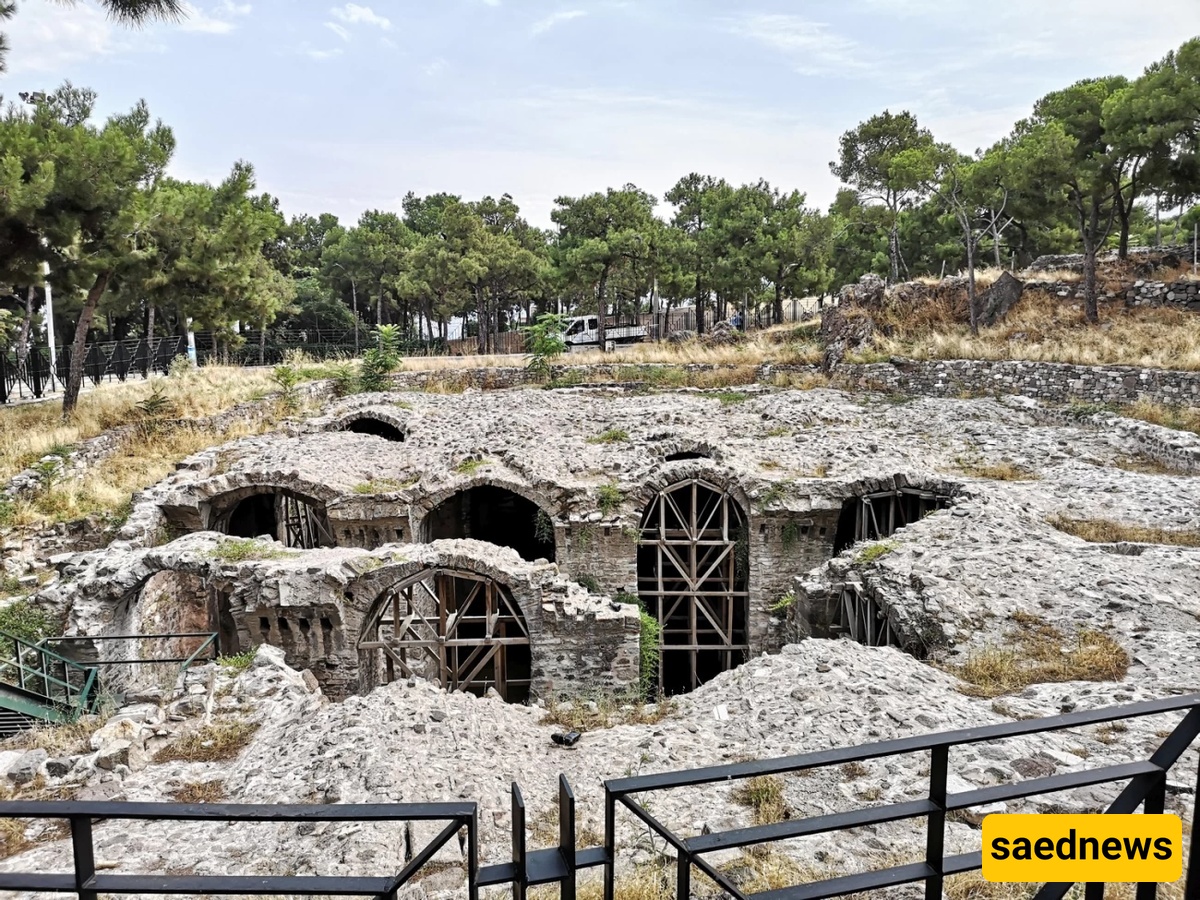
Visitors can reach the castle by walking through the winding streets near the Ancient Agora. However, the streets leading toward Kadifekale and the area surrounding the fortress have historically been regarded as less secure parts of Izmir. For this reason, walking there alone is generally not recommended.
For visitors who want to explore the site, taking a taxi is a more convenient option. Those who choose to walk may encounter interesting historic streets and remnants of old walls along the route.
Several other attractions can also be visited around Kadifekale. These include Kemeraltı Market, Çukur Hamam, and the Protestant Baptist Church of Buca.
During a visit to the castle, travelers may also encounter women from southeastern Turkey baking bread in traditional ovens and weaving colorful textiles. Their handmade products are often offered for sale to visitors.
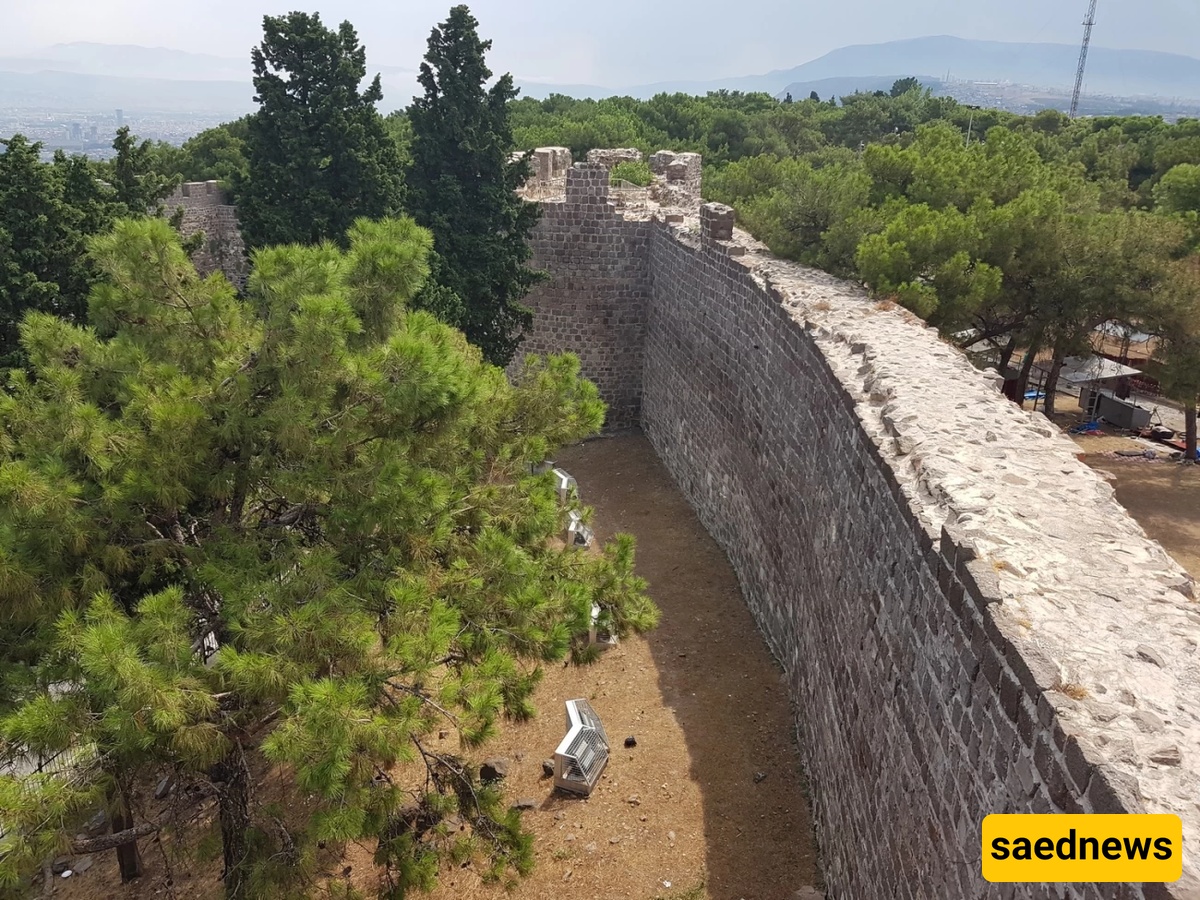
Kadifekale stands above Izmir with impressive views toward the Aegean Sea. The elevated position of the fortress makes it possible to look across the city and the surrounding coastline.
Historic cannons and other remnants can also be found within the site. For many visitors, the combination of ancient ruins, open landscapes, and views over Izmir makes Kadifekale a memorable attraction.
Kadifekale is a remarkable castle ruin, widely known as the “Velvet Castle.” Built and rebuilt through different periods of history, it reflects the succession of civilizations that shaped Smyrna and Izmir.
Perched on a hill overlooking the city, the historic fortress offers breathtaking panoramic views. Its distinctive ruins, long history, and scenic location make Kadifekale one of the most fascinating places to explore in Izmir.