SAEDNEWS: Properly packaged and stored at the right temperature, animal butter can be frozen for up to 12 months while preserving its flavor, texture, and nutritional value.
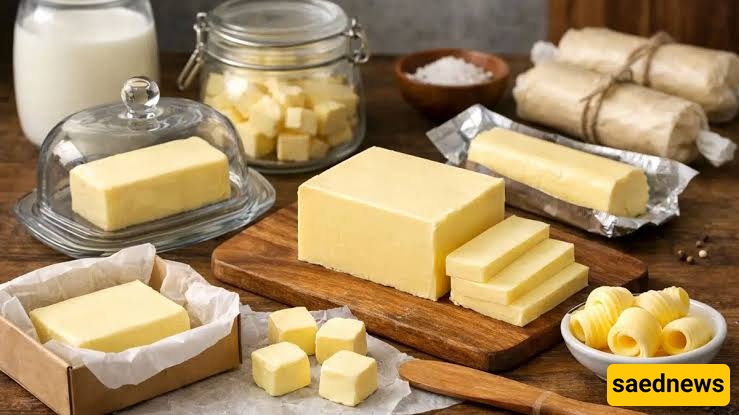
According to Saednews, Traditional animal butter is one of the most valuable and delicious natural fats, and it has held a special place on Iranian tables for generations. Its distinctive flavor, pleasant aroma, and high nutritional value have made many families interested in buying it in larger quantities and storing it for extended periods.
The main challenge, however, is preserving the butter’s quality over time. Because traditional butter contains a high proportion of saturated fat and relatively little water, it generally lasts longer than many other foods. Nevertheless, exposure to air, light, and heat can cause the fats to oxidize, resulting in rancidity, unpleasant flavors, and a decline in overall quality.
Freezing is one of the most effective ways to significantly extend the shelf life of traditional butter. However, proper techniques must be followed to prevent undesirable changes in its texture, flavor, and aroma.
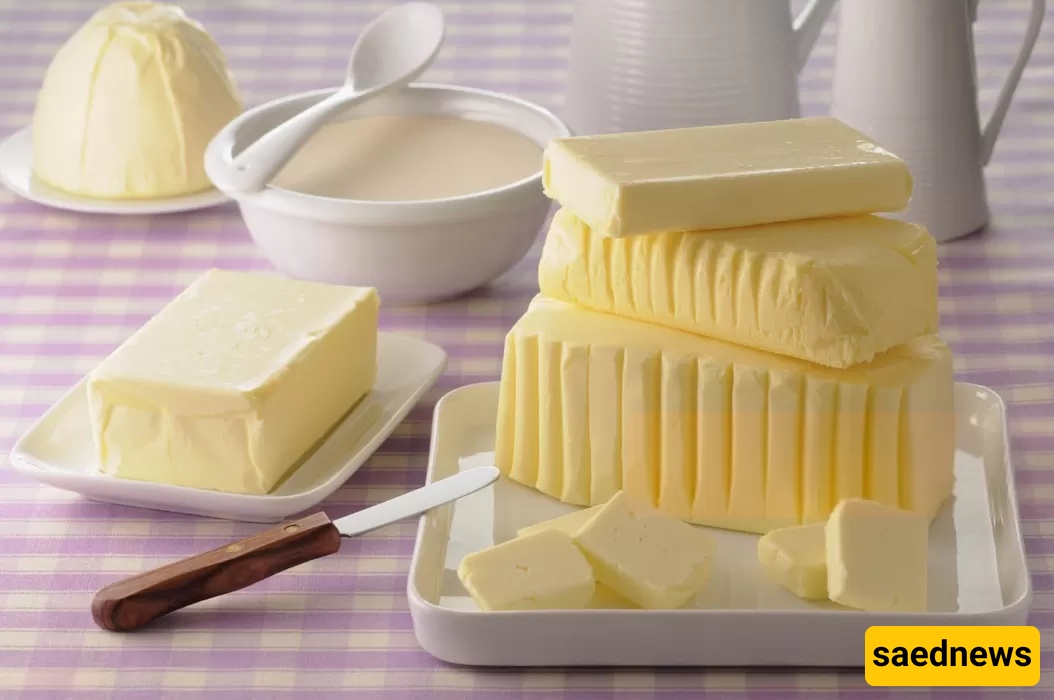
Many people assume that simply putting butter in the freezer will keep it fresh indefinitely. This is not entirely true. A freezer can provide excellent protection, but improper packaging and storage can allow butter to absorb the odors of other foods or develop freezer burn.
This guide explains the proper way to freeze and store traditional butter, including the best packaging methods, ideal freezer temperature, recommended storage periods, and safe thawing techniques.
The goal is to help you store traditional butter safely for months while preserving as much of its original flavor and quality as possible. The recommendations below are based on commonly cited food-storage practices, including guidance from organizations such as the USDA and FDA, along with professional culinary practices.
Freezing traditional butter offers several advantages beyond simply extending its shelf life.
Butter stored in a refrigerator at around 4°C (40°F) generally maintains good quality for approximately 1–3 months. When stored in a freezer at −18°C (0°F) or below, its best quality can be maintained for roughly 6–12 months or longer, depending on the butter and packaging.
This makes it possible to purchase butter during periods of abundant production, such as spring, and enjoy it throughout the year.
Rancidity is one of the major causes of butter deterioration. It results primarily from the oxidation of fats and other chemical processes.
Freezing dramatically slows these reactions, helping the butter retain its original flavor and aroma for a much longer period.
The fat-soluble vitamins found in butter, particularly vitamins A, D, E, and K, are relatively stable when stored at low temperatures. Freezing does not significantly destroy these nutrients.
Essential fatty acids present in butter are also better protected when the product is kept frozen and properly packaged.
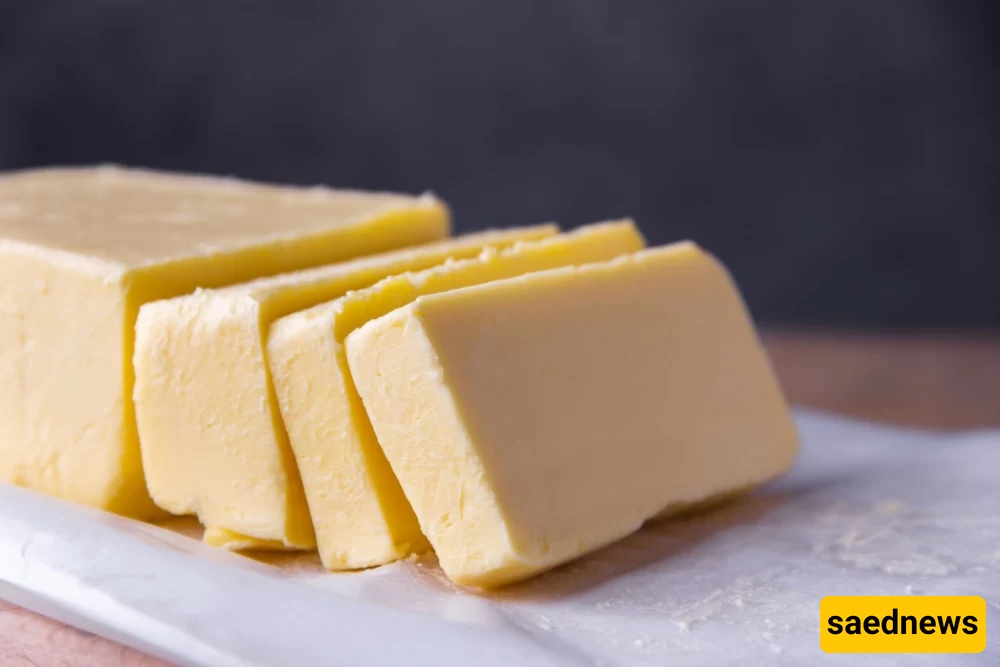
Buying butter in larger quantities, particularly when prices are lower or production is abundant, can reduce overall costs. Freezing also helps prevent butter from being discarded because of spoilage or quality deterioration.
Keeping frozen butter on hand means you always have it available for cooking, baking, or everyday use. You no longer have to worry about running out of butter at inconvenient times.
The Golden Rules of Packaging Butter for the Freezer
Proper packaging is arguably the most important part of long-term butter storage. The main objective is to protect the butter from air, moisture, light, and external odors.
Oxygen accelerates fat oxidation and can contribute to unpleasant, rancid flavors. Packaging should therefore minimize the butter’s contact with air.
Vacuum-sealing is an excellent option. If you do not have a vacuum sealer, remove as much air as possible from the packaging before sealing it.
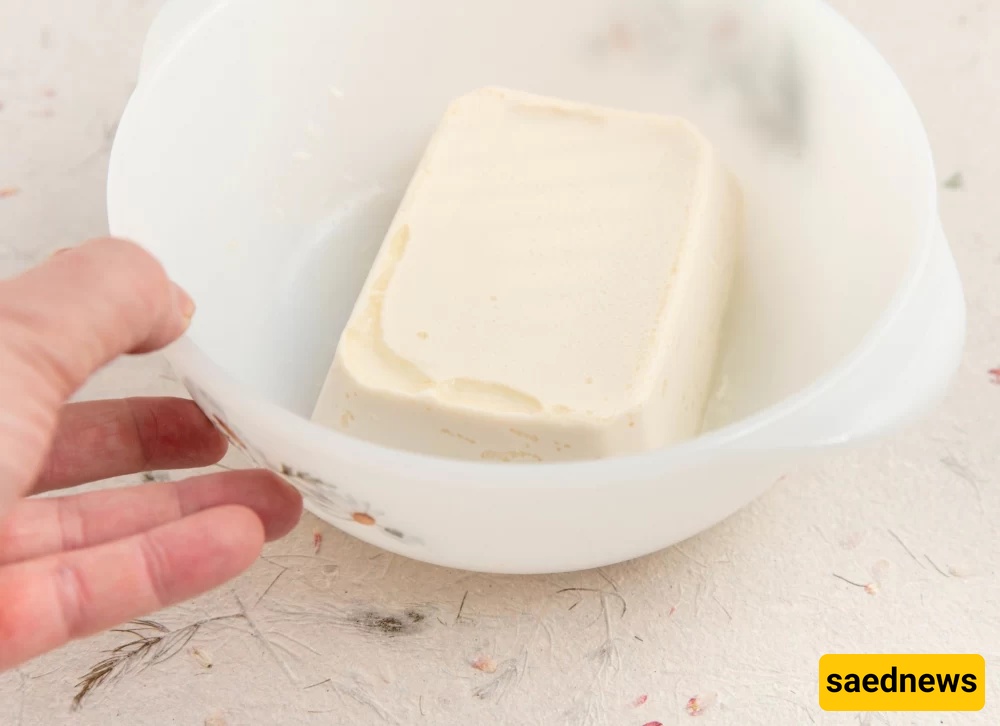
Although the freezer itself is a dry environment, butter can readily absorb strong food odors.
Fish, onions, garlic, spices, and other strongly scented foods can affect its flavor. For this reason, butter should be stored in packaging that provides a strong barrier against moisture and odors.
Freezer burn occurs when moisture from the surface of frozen food escapes into the cold, dry freezer environment.
This can leave dry, pale, or spongy-looking patches on the surface of the butter and negatively affect its flavor and texture.
A tightly sealed package with minimal air exposure greatly reduces the risk of freezer burn.
Recommended Packaging Materials
Wax paper or parchment paper can be used as an initial wrapping layer. Wrap the butter and then place it inside aluminum foil or a freezer-safe bag.
The inner wrapping also helps prevent the butter from sticking directly to the outer packaging.
Butter can be tightly wrapped in several layers of plastic wrap. Make sure there are no significant air pockets between the layers.
For long-term storage, plastic wrap is best combined with an additional protective layer, such as foil or a freezer bag.
Aluminum foil provides an effective barrier against light and air. Wrapping butter tightly in two layers of foil can be a useful option for extended freezer storage.
Heavy-duty, resealable freezer bags are another practical choice. Before sealing the bag, remove as much air as possible.
Sturdy containers with tight-fitting lids can also work well. Place the butter inside and seal the container securely, leaving as little empty space as practical.
For maximum protection, vacuum sealing is one of the most effective methods. A vacuum sealer removes most of the air from the package, reducing exposure to oxygen and helping preserve quality for longer.
Step-by-Step Method for Freezing Butter
1. Divide the butter into usable portions.
Cut the butter into convenient quantities, such as 100, 200, or 500 grams. This prevents you from having to thaw and refreeze the entire batch.
2. Apply the first layer of packaging.
Wrap each portion in parchment or wax paper, or tightly wrap it with plastic wrap.
3. Add a second protective layer.
Place the wrapped portion inside aluminum foil or a freezer-safe bag.
4. Remove excess air.
If using a bag, gently press out as much air as possible before sealing it. If using a vacuum sealer, follow the manufacturer's normal sealing procedure.
5. Label the package.
Write the freezing date and the weight on each package. This makes it easier to use older portions first.
6. Freeze promptly.
Place the packaged butter in one of the coldest areas of the freezer, usually toward the back or bottom, where the temperature is more stable.
Ideal Freezer Temperature and Storage Time
The recommended freezer temperature is −18°C (0°F) or lower.
Keeping the temperature stable is important because repeated temperature fluctuations can negatively affect food quality.
The appropriate storage period depends on the butter's initial quality, packaging, and freezer conditions.
Salt acts as a natural preservative and can help maintain quality. Properly packaged salted butter can generally maintain good quality for up to about 12 months in the freezer.
Unsalted butter is somewhat more sensitive to quality deterioration. A period of approximately 6–9 months is generally recommended for the best quality.
After that period, its flavor may gradually change, although it may still be suitable for cooking or baking if it has been stored properly and shows no signs of spoilage.
Traditional butter may contain a higher proportion of fat and, depending on how it was produced, small amounts of residual buttermilk or moisture.
When properly packaged and frozen, it can maintain good quality for up to around 9 months, although the exact storage life depends on its composition and handling.
Important: These periods are primarily quality guidelines rather than strict spoilage deadlines. Properly frozen butter may remain safe beyond these periods, but its flavor, aroma, and texture can gradually deteriorate. Always inspect butter before using it.
The Best Way to Thaw Frozen Butter
Thawing is just as important as freezing. Incorrect thawing can negatively affect texture and, in some circumstances, food safety.
This is the safest and most reliable approach.
Remove the desired portion from the freezer and place it in the refrigerator at approximately 4°C (40°F).
Depending on the size of the portion, thawing may take around 6–12 hours, often overnight.
Slow thawing helps the butter retain its texture and flavor.
If you need softened butter quickly, you can leave a small portion at room temperature.
A 100–200 gram portion may soften within approximately 1–2 hours.
This can be convenient when you need soft butter for spreading or baking. However, avoid leaving butter at room temperature for extended periods.
Microwave thawing is the fastest option but requires careful attention.
Use the microwave's defrost setting and check the butter every 10–15 seconds.
The objective is to soften the butter rather than melt it completely.
If the butter melts, its fat and water phases can separate, which may negatively affect its texture. Microwave thawing is therefore more suitable when the butter will subsequently be used in cooking or baking.
Important Thawing Tips
Never place frozen butter in hot or warm water. Rapid and uneven melting can damage its texture.
Avoid repeatedly freezing and thawing the same portion. Repeated temperature changes can negatively affect texture and quality.
Freeze butter in individual portions. This allows you to thaw only what you need.
Once thawed, keep butter refrigerated and use it within a reasonable period based on its condition and storage history.
How to Check Butter Quality After Thawing
Before using frozen butter, inspect it carefully.
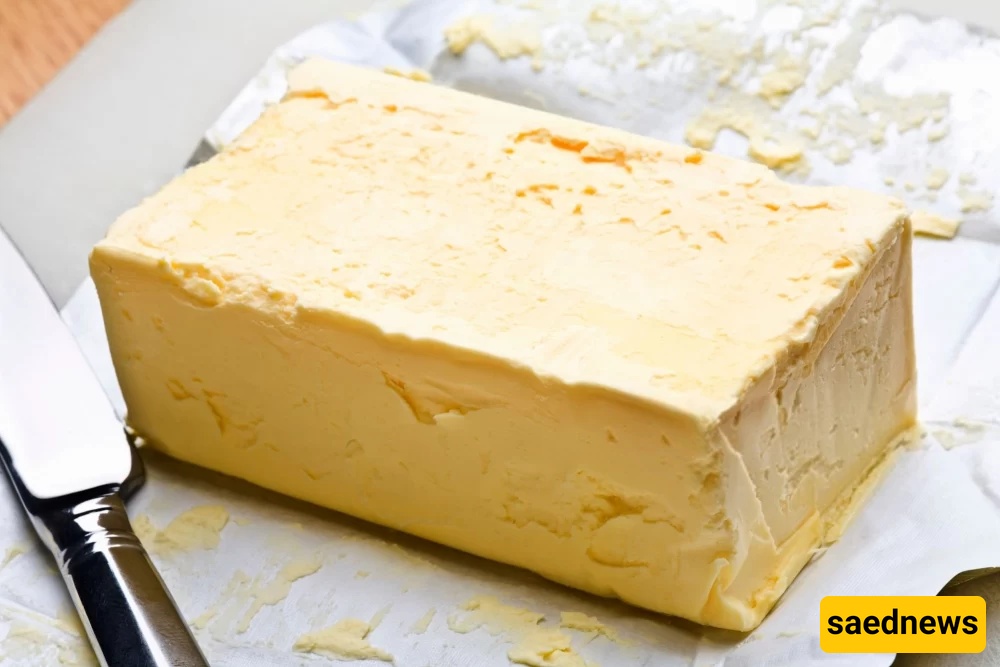
Fresh butter should have a pleasant dairy or creamy aroma.
A sour, bitter, soapy, fishy, or otherwise unusual smell can indicate rancidity or contamination, and the butter should not be consumed.
Good-quality butter should have a rich, creamy flavor, with a mild salty note if it is salted.
A distinctly bitter, metallic, or otherwise abnormal flavor can indicate oxidation or deterioration.
The butter should generally have a smooth and reasonably uniform texture after thawing.
Minor changes in firmness can occur after freezing, but significant dryness, unusual separation, or extensive freezer-burned areas indicate that the butter's quality has deteriorated.