SAEDNEWS: Located on the European shore of the Bosphorus in Istanbul, Turkey, Dolmabahçe Palace is one of the city’s most remarkable historical landmarks. In this article, discover the magnificent palace that once served as a residence for Ottoman sultans and explore its rich history, elegant architecture, and cultural significance.
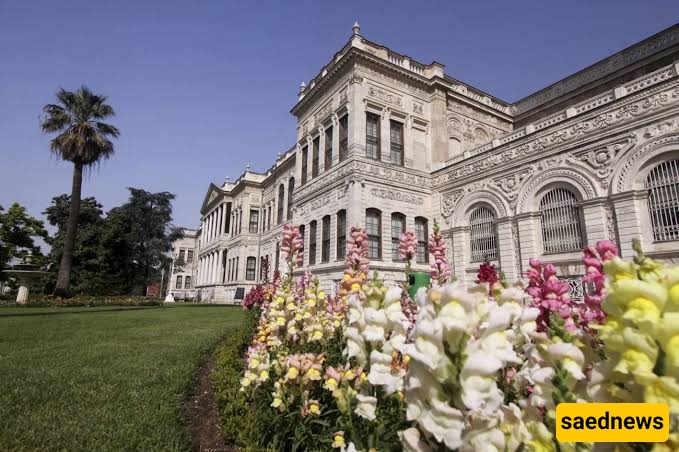
According to Saednews, Dolmabahçe Palace is considered one of the most beautiful historical landmarks in Istanbul, a city with a rich and ancient past. Dating back to the Ottoman era, the palace is surrounded by a beautiful green garden that is among the most attractive sights on the European side of Istanbul. Many tourists visiting the city make a point of stopping here to admire the palace up close and take memorable photographs.
Dolmabahçe is also the largest palace in Turkey and one of the most important surviving monuments from the Ottoman period. The magnificent palace stands on the eastern shore of the Bosphorus. It served as the residence of six Ottoman sultans, while Mustafa Kemal Atatürk, the founder of the Republic of Turkey, spent his final days in one of its rooms.
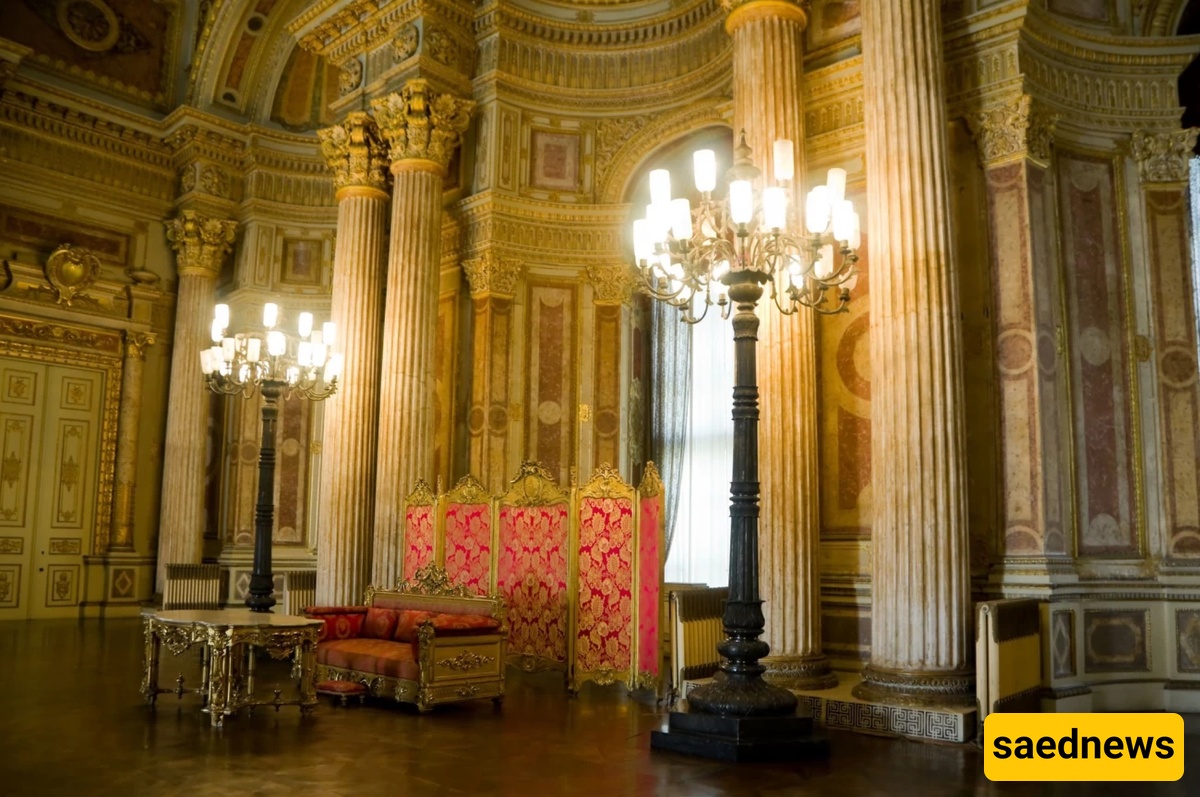
Walking through the palace provides an opportunity to appreciate its impressive architecture and richly decorated interiors. Elegant carpets, magnificent chandeliers, and European-inspired design elements can be seen throughout the building. For photographers and architecture enthusiasts, Dolmabahçe offers an especially memorable setting. A visit to this remarkable palace is included in the itineraries of many travelers exploring Istanbul.
The magnificent Dolmabahçe Palace was commissioned during the reign of Sultan Abdülmecid I. Construction took approximately ten years to complete.
The palace stretches along the Bosphorus and is regarded as one of the world's most impressive historic residences. Remarkably, many of its original decorative elements, furnishings, carpets, and silk curtains have been preserved.
Visitors are often struck by the palace's elaborate interiors and grand scale. Having witnessed numerous important events in Ottoman and Turkish history, including the death of Atatürk, Dolmabahçe has become one of Istanbul's most visited palace museums and houses a remarkable collection of historical objects.
Exploring this vast and richly decorated palace can take several hours, but the experience offers an excellent insight into Istanbul's history and architecture. Compared with other famous Turkish palaces, such as Topkapı Palace, Dolmabahçe has a distinctly European character, with its design strongly influenced by European architectural traditions.
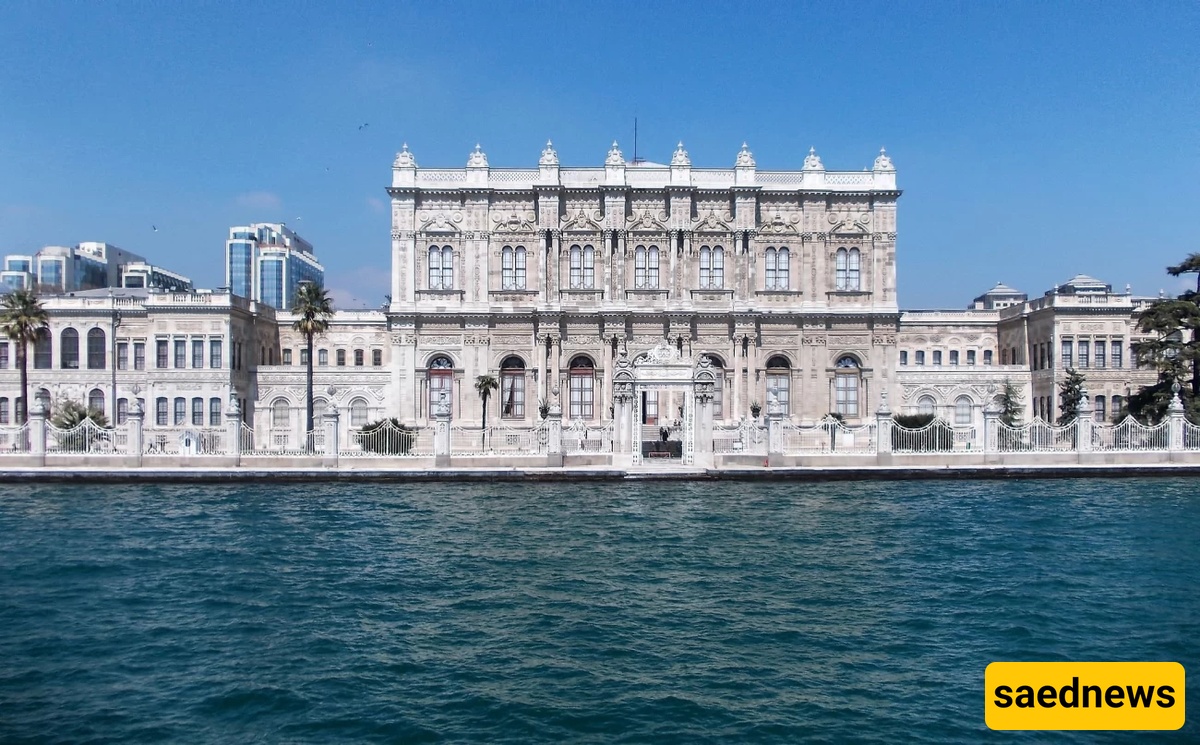
Dolmabahçe Palace is located in the Beşiktaş district of Istanbul, on the eastern shore of the Bosphorus near Kabataş.
Beşiktaş is one of Istanbul's major tourist and transportation areas, with numerous attractions, restaurants, and cultural landmarks. Visitors can reach Dolmabahçe by several forms of public transportation, including trams, buses, taxis, and other local services.
Many Iranian tourists choose hotels in Istanbul's Sultanahmet area. From there, one convenient option is to take the Bağcılar–Kabataş tram line toward Kabataş. After getting off at the final stop, Dolmabahçe Palace can be reached with approximately ten minutes of walking.
Taxis and other forms of public transportation can also be used, although they may cost more depending on the route and traffic conditions.
The name "Dolmabahçe" is formed from two Turkish words: "dolma," meaning "filled" or "filled-in," and "bahçe," meaning "garden."
The name is connected to the history of the site itself. The area where the palace now stands was created by filling in a small bay along the Bosphorus. The bay originally served as a natural harbor and, during the 17th century, was used for traditional maritime ceremonies and celebrations associated with the conquest of Istanbul.
Over time, the area became a popular recreational retreat for Ottoman sultans. Sultan Ahmed I and Sultan Osman II established gardens and pavilions here where they could spend their leisure time.
Later, Sultan Abdülmecid I decided to build a grand palace on the site, inspired by the magnificent palaces of Europe and taking advantage of the area's impressive Bosphorus views.
Approximately 14 tons of gold were used in the decoration of the palace's ceilings during its construction.
Handwoven silk carpets produced in Hereke, Turkey, were used extensively throughout the palace. The palace contains 131 handwoven carpets.
The enormous crystal chandelier in the ceremonial hall weighs approximately 4.5 tons and contains 750 lamps. It is widely described as the world's largest Bohemian crystal chandelier.
Mustafa Kemal Atatürk, the first president of the Republic of Turkey, stayed in one of the palace's simplest rooms and died there.
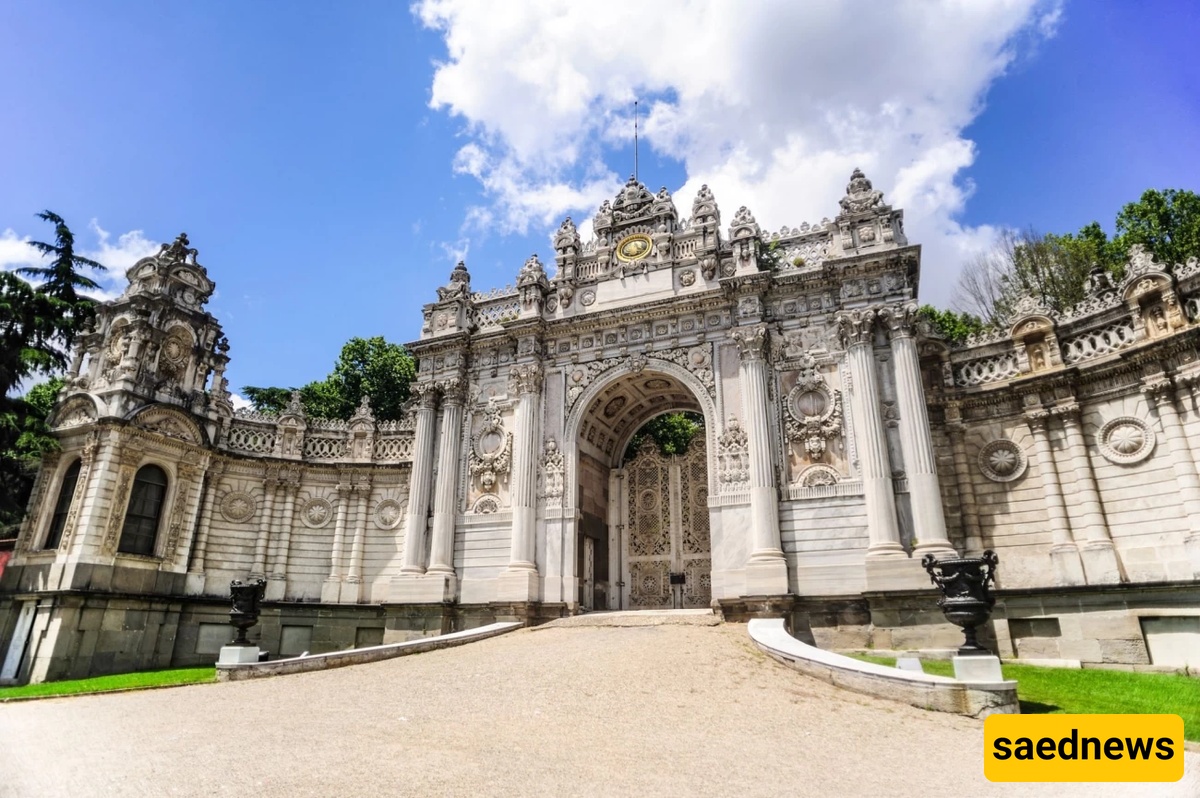
According to the information provided in the original article, Dolmabahçe Palace welcomes visitors from 9:00 a.m. to 6:00 p.m. and is generally closed on Mondays. The palace may also be closed on certain special days and national occasions in Turkey.
Because of the palace's size and historical significance, visitors may find it useful to join a guided tour or ask the guides available at the site for assistance.
The ticket office closes approximately one hour before the palace itself closes.
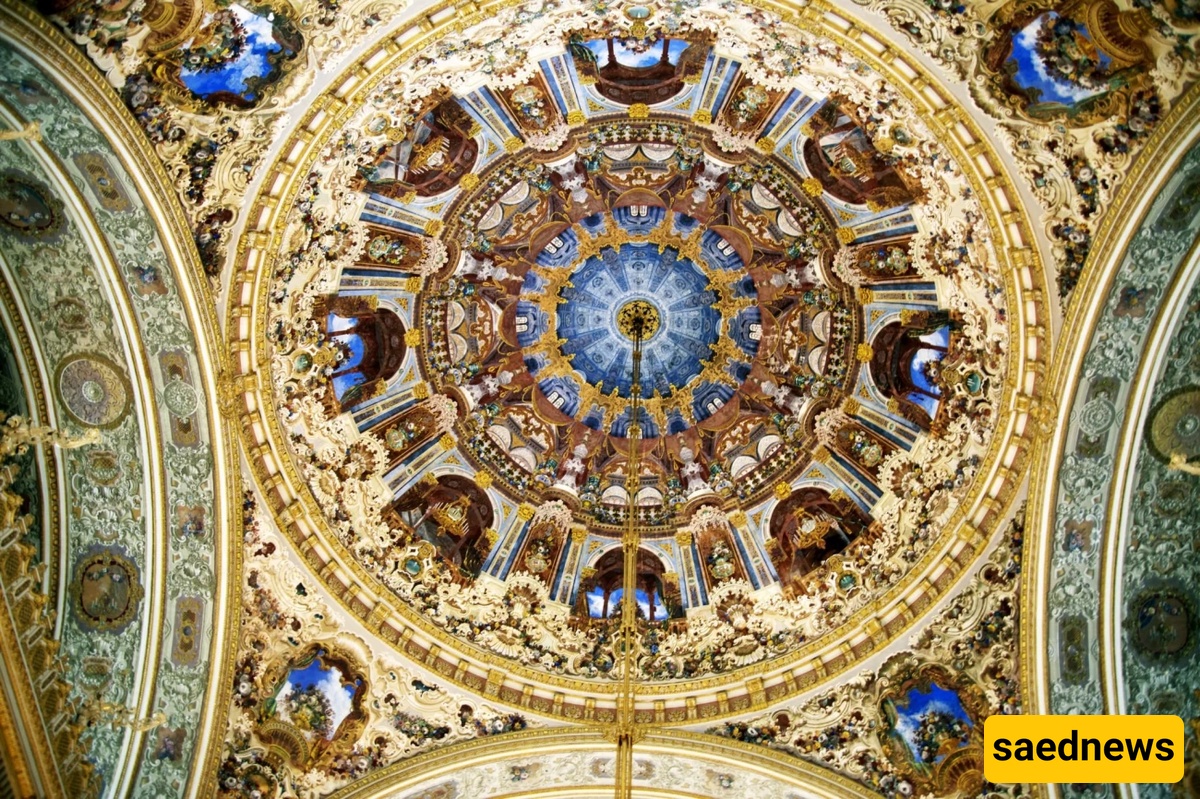
The original article states that a ticket covering the main sections of the palace costs 120 Turkish lira, while visiting the Harem section, where the sultan and members of the Ottoman dynasty lived, requires an additional 90 Turkish lira.
Note: Opening hours and admission prices can change. Visitors should verify the current information before planning their visit.