SAEDNEWS: Hawthorn is a delicious fruit that also offers numerous health benefits. In this article, we will discuss its calorie content and nutritional value, as well as explore some of its beneficial properties.
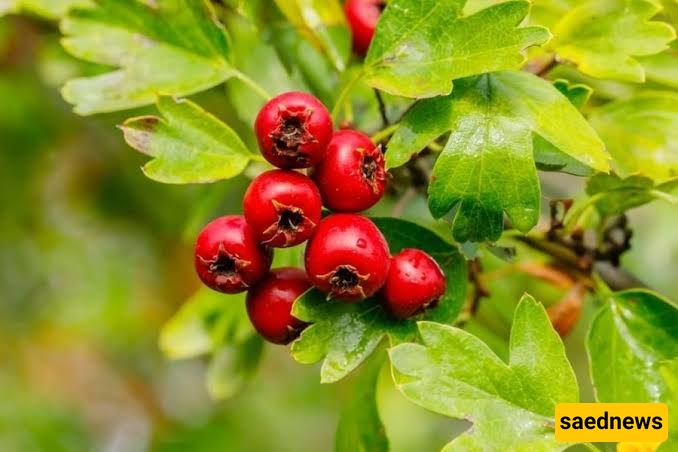
According to Saednews, Hawthorn is a small fruit produced by trees belonging to the Crataegus genus. Hundreds of hawthorn species grow naturally around the world, with most found in Europe, North America, and Asia.
Hawthorn has been used for centuries as an herbal remedy for digestive problems, heart failure, and high blood pressure. Its medicinal properties also play an important role in traditional Chinese medicine.
Every 100 grams of hawthorn contains approximately 77 calories.
Nutrient | Per 100 g |
|---|---|
Calories | 77 kcal |
Carbohydrates | 18.00 g |
Protein | 0.00 g |
Fat | 0.26 g |
Fiber | 2.15 g |
Water | 78.00 g |
Sugar | 0.00 g |
Cholesterol | 0.00 mg |
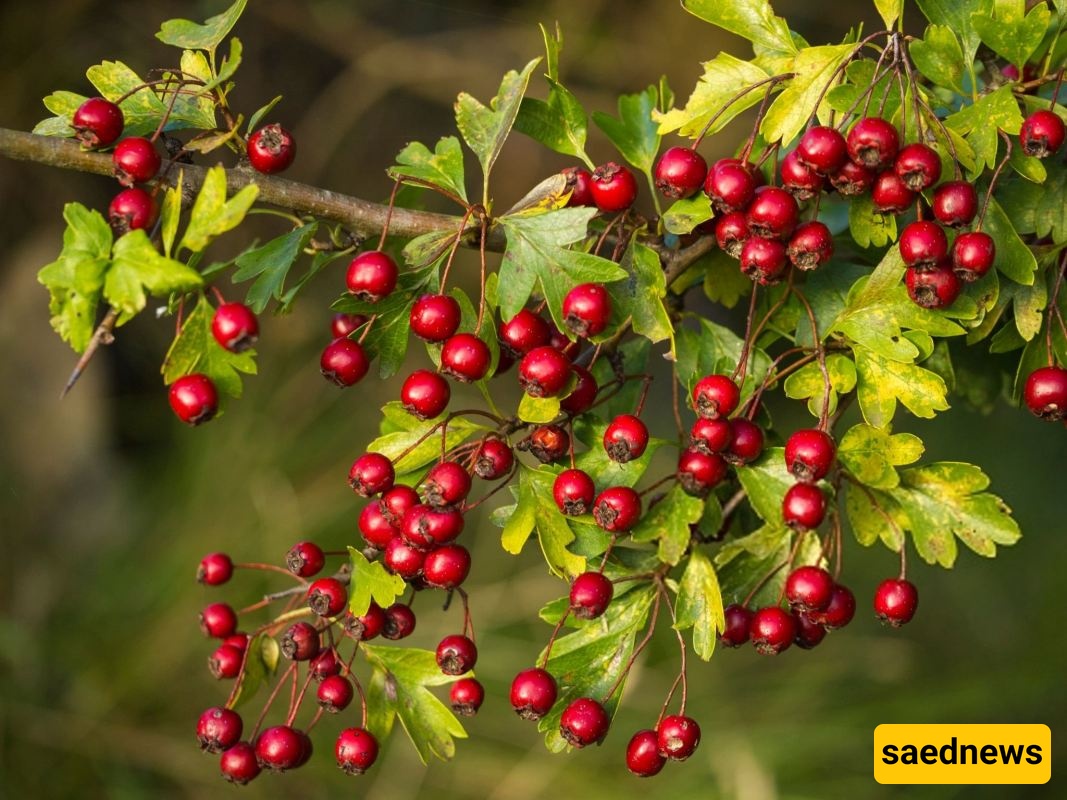
Hawthorn is recognized as a rich source of polyphenols. Polyphenols are powerful antioxidant compounds naturally found in plants.
Antioxidants in the diet help neutralize unstable molecules known as free radicals, which can damage the body's cells and tissues.
Free radicals can be produced in the body as a result of an unhealthy diet as well as exposure to environmental toxins such as air pollution and cigarette smoke.
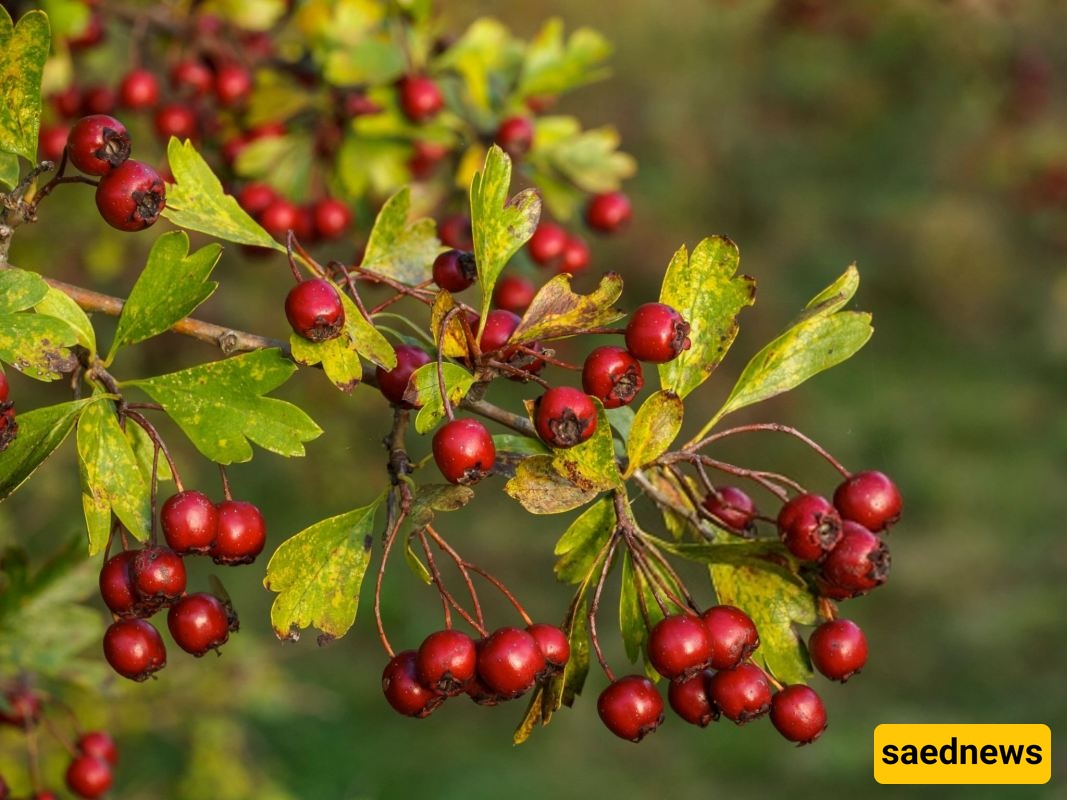
Hawthorn may have antibacterial and anti-inflammatory properties that could help support the body's immune system.
In one laboratory study, hawthorn extract demonstrated significant antibacterial activity against Streptococcus aureus and Klebsiella pneumoniae, and it was able to kill certain harmful bacteria.
Another laboratory study found that hawthorn extract showed moderate antibacterial activity against several types of bacteria, including Listeria monocytogenes.
In addition, some animal studies suggest that hawthorn may have anti-inflammatory effects. Chronic inflammation has been associated with a number of health conditions, including type 2 diabetes, asthma, and certain types of cancer.
In a study involving mice with liver disease, hawthorn extract significantly reduced levels of inflammatory compounds.
Similarly, research involving mice with asthma found that supplementation with hawthorn extract reduced inflammation and significantly improved asthma symptoms.
Scientists believe these findings suggest that hawthorn may have immune-supporting properties. However, more research is needed, particularly in humans, to confirm these potential benefits.