SAEDNEWs: Damlataş Cave lies west of Alanya, Turkey, near Cleopatra Beach on the Mediterranean coast. The surrounding area features mountains, green meadows, plateaus, and flowing rivers.
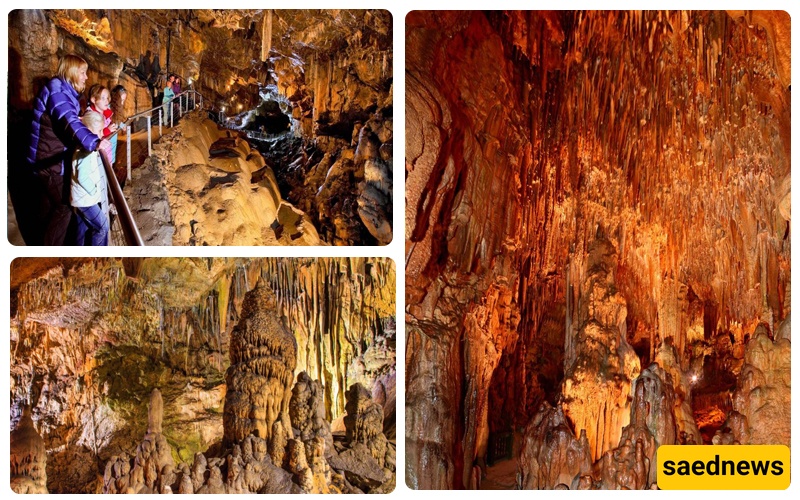
According to Saednews, Alanya is one of Turkey’s busiest tourist destinations, thanks to its mild climate, affordable prices, sandy beaches, high mountains, lush meadows, plateaus, rivers, historical sites, and delicious cuisine. The city began taking its modern shape with the rise of tourism in the 1980s, and tourism has since become one of the most important pillars of Alanya’s economy.
One fascinating fact about Turkey is that around 3,000 caves have been discovered and studied across the country. Among the country’s natural caves, Damlataş Cave in Alanya is particularly well known.
Estimated to be around 15,000 years old, Damlataş Cave has become a popular tourist attraction. Beyond its impressive natural formations, the cave has also gained attention as a destination associated with therapeutic tourism because of claims that its atmosphere may benefit people with respiratory conditions such as asthma. Here is the story behind this remarkable cave.
Damlataş Cave is located in the center of Alanya, immediately west of the historic Alanya Castle. The cave is believed to have been exposed during stone quarrying operations connected with the construction of the harbor.
At the entrance, visitors pass through a passage approximately 50 meters long and 15 meters wide before reaching a chamber with a high ceiling. From this chamber, it is possible to continue deeper into the cave.
The cave was discovered accidentally in 1948 during the construction of Alanya’s harbor, when dynamite was being used to extract stone. During World War II, several German soldiers reportedly hid inside the cave. According to local accounts, one of these soldiers suffered from asthma and experienced an improvement in his condition while staying inside the cave.
The discovery attracted the attention of German specialists, who helped encourage the protection and study of the cave. Further research was conducted over the following years, and some studies suggested that the air inside Damlataş Cave could have therapeutic properties. The cave subsequently became an increasingly popular attraction, contributing to the growth of tourism in Alanya.
Studies of the cave indicate that rainwater played an important role in its formation. Rainwater gradually penetrated layers of limestone, creating cavities within the rock. Over thousands of years, mineral-rich water deposits accumulated and developed into the spectacular columns and formations visible inside the cave.
The Turkish word “Damlataş” can be translated roughly as “dripping stone,” referring to the drops of water that formed the cave’s distinctive mineral structures.
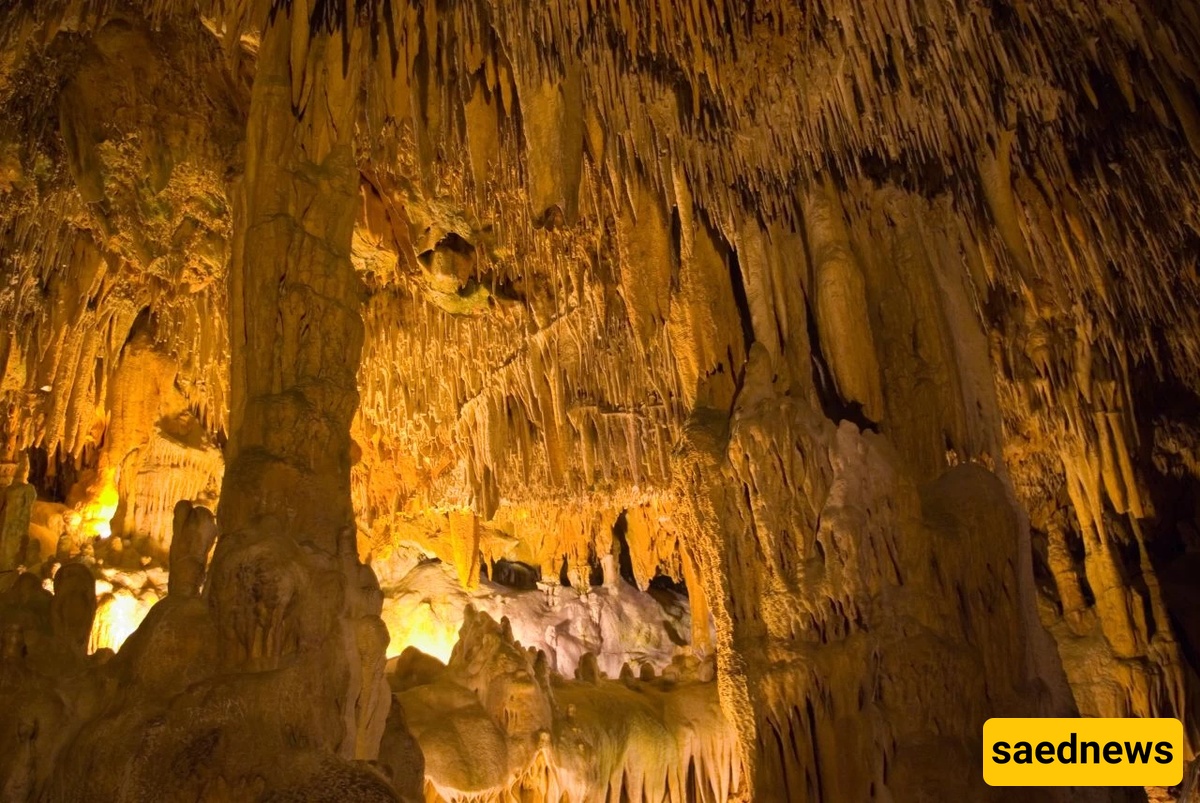
Near the entrance is a cylindrical chamber approximately 13 meters in diameter and 15 meters high. The cave contains numerous stalactites and stalagmites that developed over thousands of years.
Stalactites hang downward from the cave ceiling, while stalagmites rise upward from the cave floor as minerals carried by water accumulate over time. Together, these formations create the cave’s distinctive interior landscape.
Visitors can move between the different levels of the cave using designated passages and stairs. The cave covers approximately 180–200 square meters, with a total volume of around 2,500 cubic meters across its accessible levels.
The cave is also known for its unusually humid and stable atmosphere. Humidity is reported to be around 95%, while the temperature generally remains between 22 and 23°C (72–73°F) regardless of the season. The carbon dioxide concentration is also reported to be considerably higher than that of ordinary outdoor air.
The cave is considered structurally stable, with thick layers of rock surrounding its chambers. This provides visitors with a relatively secure environment while exploring the formations.
Damlataş Cave has long been associated with respiratory therapy, particularly asthma treatment. Because of this reputation, thousands of people have reportedly visited the cave with the hope of benefiting from its environment. It is sometimes referred to as an “asthma treatment cave.”
Many of the cave’s early visitors were reportedly people suffering from asthma. Local accounts and older reports have attributed improvements in respiratory symptoms to the cave’s warm, humid atmosphere and elevated carbon dioxide concentration.
According to reports published by the Alanya Municipality, the cave received approximately 114,000 visitors during a seven-month period in 2010, including around 2,100 visitors with asthma. By 2014, the reported number of visitors with asthma had increased to approximately 4,000.
The cave’s atmosphere is characterized by approximately 95% humidity and a stable temperature of around 22–23°C (72–73°F) throughout the year. Some descriptions of the cave’s air composition report approximately 71% nitrogen, 20% oxygen, small amounts of radioactive ions, and trace amounts of carbon dioxide, although published figures can vary depending on the measurement source and method.
Because of the cave’s popularity, special visiting arrangements have reportedly been introduced for people with respiratory conditions. Under the described program, patients could spend approximately four hours inside the cave each day for 21 days, with a designated period between 10 a.m. and 2 p.m.
People considering the cave for respiratory treatment should consult a qualified physician rather than relying on the cave as a medical treatment. Claims about asthma improvement associated with Damlataş Cave come largely from local reports and historical accounts and should not be considered a substitute for established medical care.
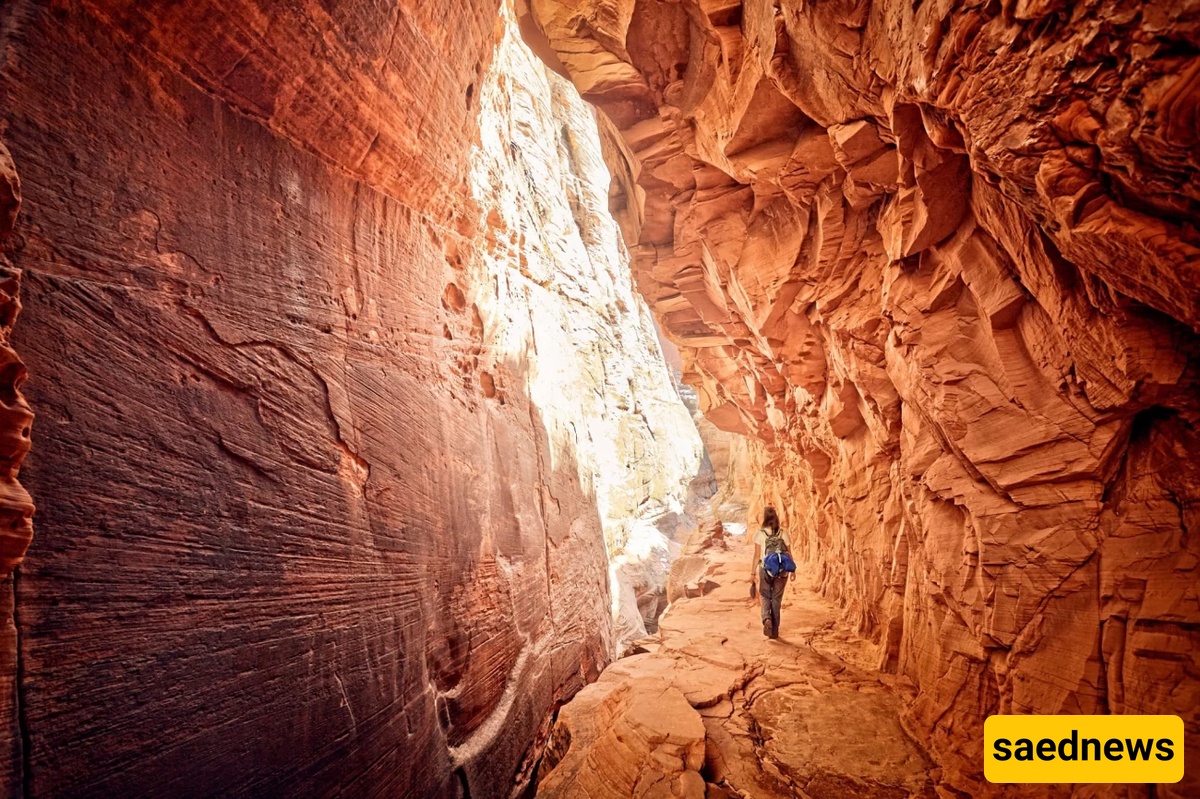
Damlataş Cave is located in western Alanya, Antalya Province, on the eastern side of Cleopatra Beach along Turkey’s Mediterranean coast.
Address: Çarşı, Damlataş Cd. No:81, 07400 Alanya/Antalya, Turkey
The cave is close to many of Alanya’s major attractions, including Alanya Castle and Cleopatra Beach, making it an easy addition to a sightseeing itinerary.
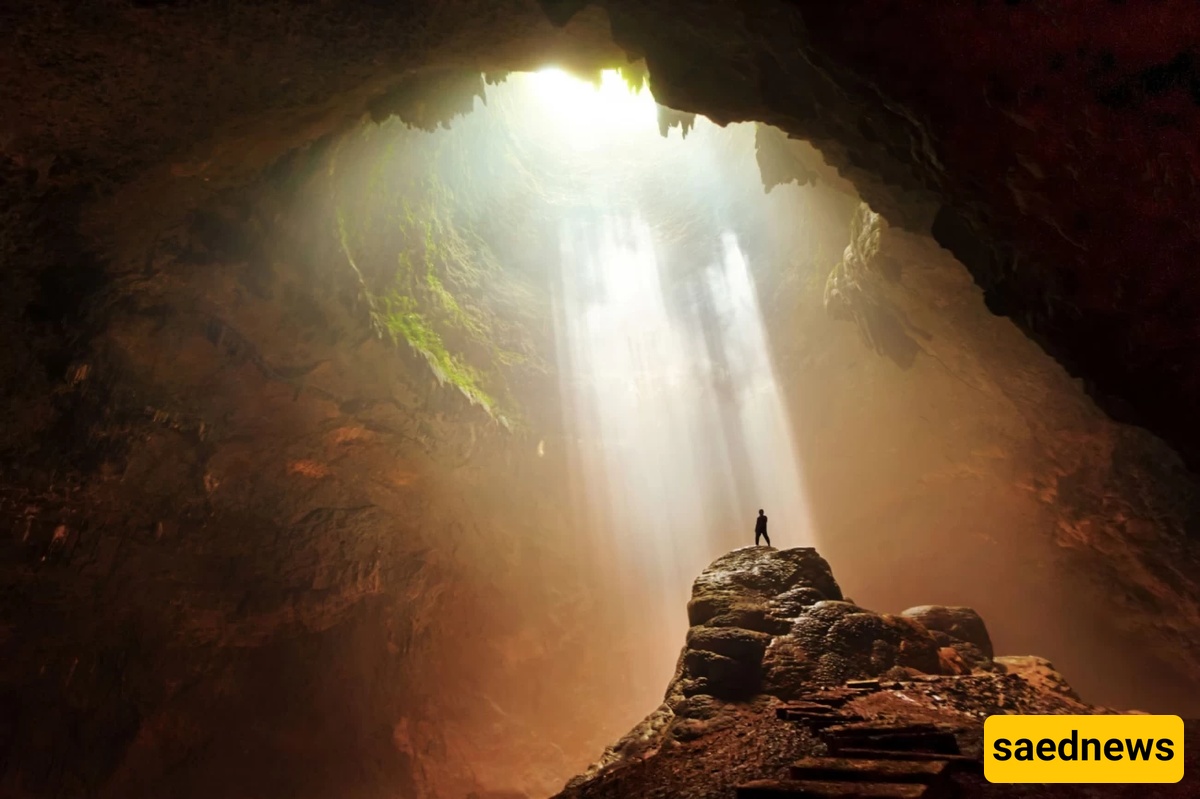
Alanya is also served by Gazipaşa–Alanya Airport, which opened for domestic flights in July 2010. The airport provides access to Alanya and is approximately a 30-minute drive from the city, depending on traffic and the exact destination.
Damlataş Cave offers visitors more than an underground sightseeing experience. Its history, unusual microclimate, ancient limestone formations, and connection with Alanya’s development as a tourist destination make it one of the city’s most distinctive natural attractions.
For travelers exploring the Mediterranean coast of Turkey, a visit to Damlataş Cave can easily be combined with Cleopatra Beach and Alanya Castle, allowing visitors to experience several of the city’s best-known attractions in a single trip.