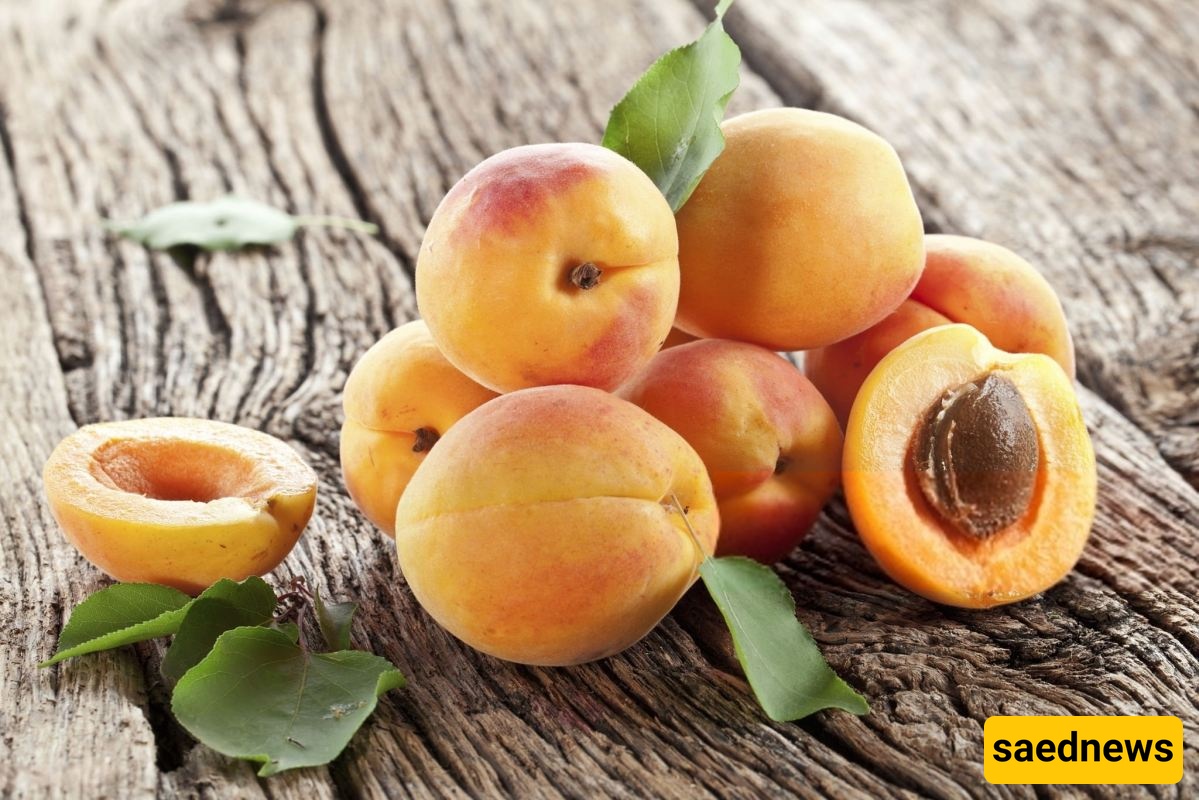
SAEDNEWS: Apricots are among the most popular summer fruits and offer a wide range of health benefits. In this article, we will explore their calorie content, nutritional value, and various health benefits.

According to Saednews, Apricots are nutritious and flavorful fruits that are especially popular during spring and early summer. They are an excellent source of vitamin A and also provide vitamin C, potassium, iron, copper, and dietary fiber.
Apricots offer a wide range of potential health benefits. They are commonly associated with supporting eye health, digestive health, cardiovascular health, and the body's antioxidant defenses.
According to the nutritional values provided in the original article, 100 grams of apricots contain approximately 48 calories.
Nutrient | Amount per 100 g |
|---|---|
Calories | 48 kcal |
Carbohydrates | 11.12 g |
Protein | 1.40 g |
Fat | 0.39 g |
Water | 86.35 g |
Dietary fiber | 2.00 g |
Sugars | 9.24 g |
Cholesterol | 0 mg |

Apricots contain several vitamins, minerals, antioxidants, and other beneficial plant compounds. Some of their commonly cited benefits include:
Apricots contain antioxidants, including beta-carotene and other carotenoids. Antioxidants help protect cells from oxidative stress and may contribute to overall health.
Apricots with a deeper orange color generally contain more beta-carotene. Diets rich in beta-carotene-containing foods have been associated with a lower risk of certain chronic conditions, including cardiovascular disease and some eye disorders.
Apricots are a good source of vitamin A and carotenoids, nutrients that are important for normal vision and eye health. Adequate vitamin A is particularly important for maintaining healthy vision in low-light conditions.
The potassium and antioxidant compounds found in apricots can contribute to a heart-healthy diet. Potassium is important for maintaining normal blood pressure, while a diet rich in fruits and vegetables may help support healthy cholesterol levels and cardiovascular function.
Apricots contain dietary fiber, which supports normal bowel function and can help prevent constipation. Dried apricots are also commonly consumed as a source of fiber.
Traditional dietary practices have also used soaked dried apricots as a mild laxative and digestive aid.
The vitamin A and antioxidant content of apricots may support healthy skin. Apricot-based preparations have traditionally been used in skincare, particularly for dry skin.
Apricot masks are sometimes used to help moisturize and soften the skin, although topical applications should be tested on a small area first to avoid irritation.
Apricots provide vitamin C, vitamin A, potassium, iron, copper, and several B vitamins. Vitamin C also helps the body absorb iron from plant foods.
Because of their nutrient content, apricots can be a useful part of a balanced diet.
Apricots contain potassium, an essential mineral involved in fluid balance and normal blood pressure regulation. Including potassium-rich fruits as part of a balanced diet may be beneficial for people seeking to maintain healthy blood pressure.
The carotenoids and other antioxidant compounds in apricots help protect cells from oxidative damage. A diet that regularly includes a variety of colorful fruits and vegetables can provide a broad range of these protective compounds.
Fresh or dried apricots can be included in meals or snacks after physical activity. Their carbohydrates can provide energy, while their potassium and other nutrients contribute to overall dietary recovery.
However, there is no established need to avoid drinking water after eating apricots.
There is no scientifically established best time of day to eat apricots. They can generally be enjoyed as part of a balanced meal or as a snack.
People who experience digestive discomfort after eating fruit may prefer to consume apricots between meals rather than immediately after a heavy meal.
Although apricots are generally safe for most people, there are several precautions to keep in mind.
Unripe apricots can be harder to digest and may cause digestive discomfort or bloating in some people. Individuals with sensitive stomachs may find ripe apricots easier to tolerate.
Bitter apricot kernels should not be eaten. They can contain amygdalin, a compound that may release cyanide when metabolized. Consuming significant amounts can lead to cyanide poisoning and can be dangerous.
Sweet apricot kernels are different from bitter kernels, but apricot kernels should not be consumed casually because their safety depends on the specific variety and amount consumed.
Some people may experience abdominal discomfort, bloating, or diarrhea after eating fruit on an empty stomach. If this happens, eating apricots with or after other foods may be better tolerated.

Apricots contain fiber and naturally occurring sugars that can cause gas or bloating in some individuals, particularly when eaten in large quantities. Dried apricots contain more concentrated sugars and should therefore be consumed in moderation.
Traditional dietary advice sometimes warns against drinking cold water immediately after eating apricots because it is believed to cause bloating or gas. There is no strong scientific evidence that cold water specifically causes this effect. If apricots cause digestive discomfort, however, limiting the amount eaten at one time may help.
Apricots are a nutrient-rich fruit that provides relatively few calories while supplying vitamin A, vitamin C, potassium, fiber, and antioxidant compounds. They can be a healthy addition to a balanced diet and may support normal eye, digestive, cardiovascular, and overall health.
For most people, ripe apricots can be enjoyed safely as part of a varied diet. The most important precaution is to avoid bitter apricot kernels, which can contain cyanide-forming compounds and may be toxic.