SAEDNEWS: The 18-kilometer-long Fehmarn Belt Tunnel is considered one of Europe’s largest infrastructure projects, with a construction budget of more than €7 billion allocated for its development.
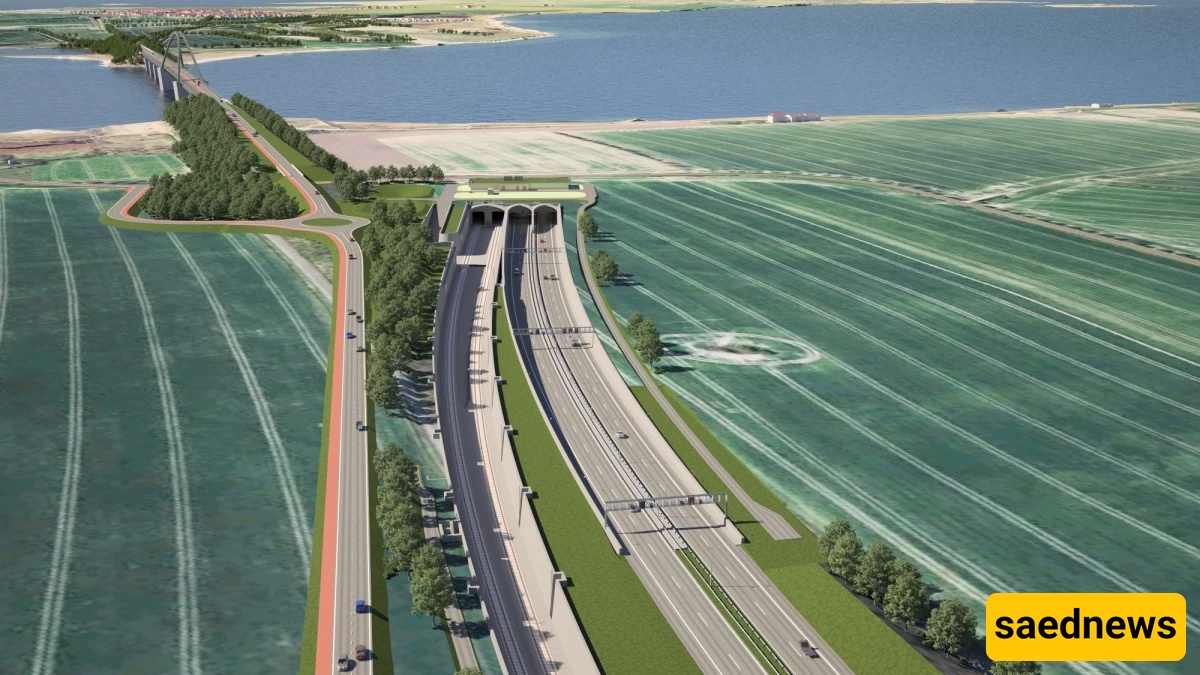
According to Saednews, The world’s longest underwater combined road and rail tunnel is currently under construction, creating a direct connection between Denmark and Germany beneath the Baltic Sea. The Fehmarn Belt Fixed Link is being built at a depth of around 40 meters and is expected to open in 2029, significantly reducing travel times between the two countries.
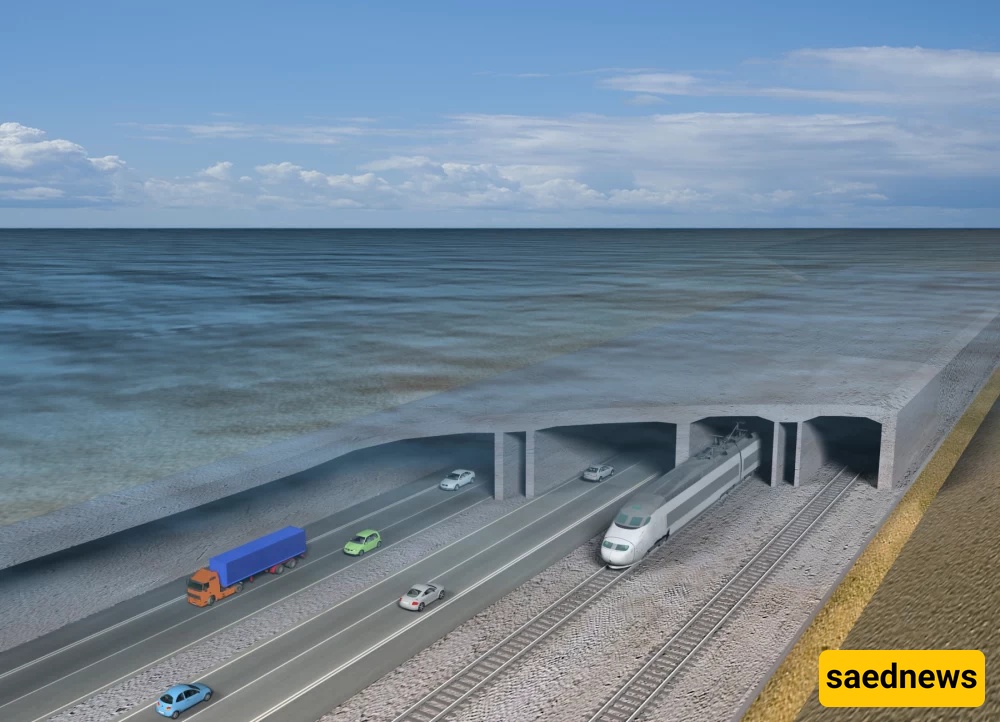
After more than a decade of planning, construction of the Fehmarn Belt tunnel began in 2020. Within months, a temporary harbor on the Danish side was completed. The facility will support a large-scale factory where 89 massive concrete tunnel sections will be manufactured and later assembled underwater to form the tunnel.
According to Henrik Vincentsen, CEO of Femern A/S, the Danish state-owned company responsible for the project, the first production line is expected to become operational by late this year or early next year. The first tunnel element is planned to be submerged in 2024.
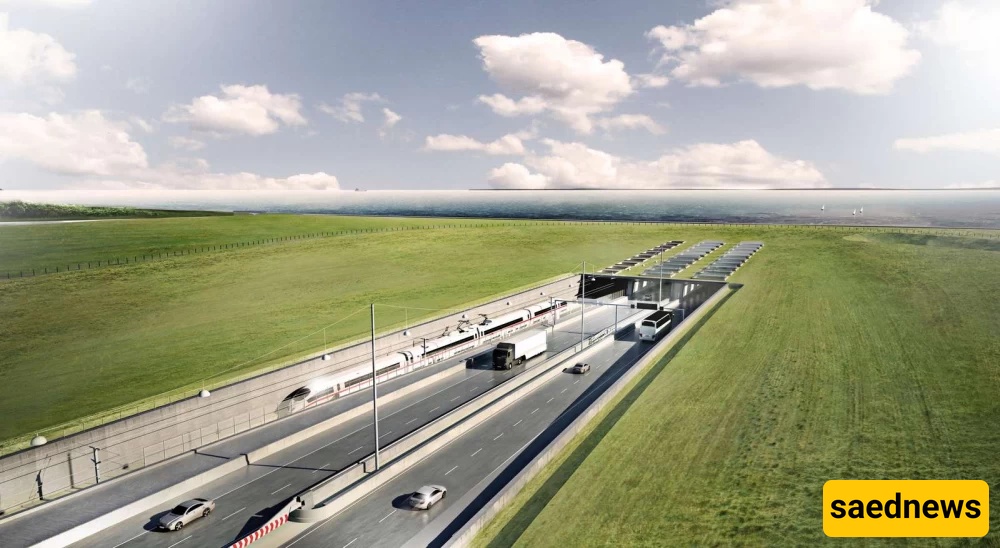
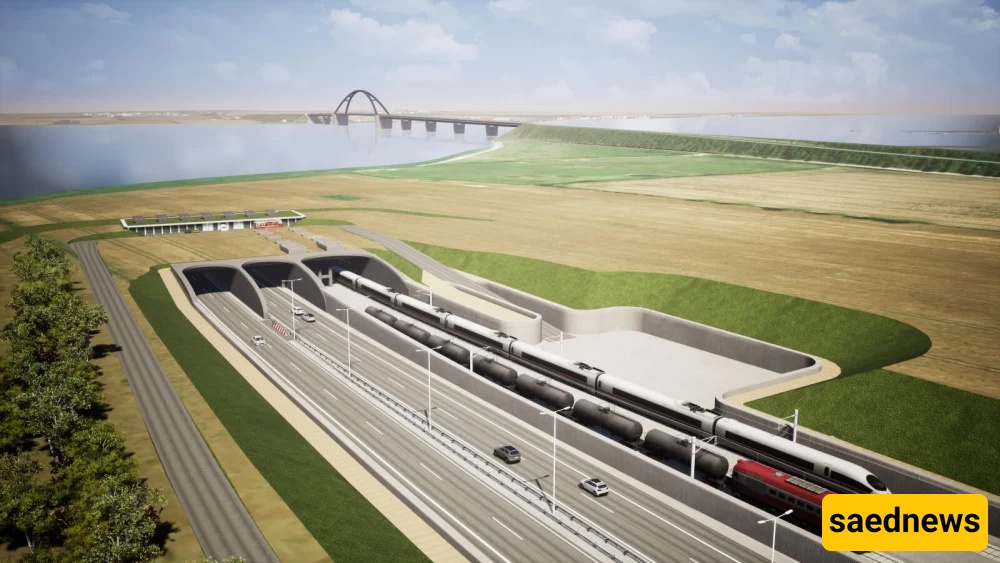
The tunnel is being built across the Fehmarn Belt Strait, which separates the German island of Fehmarn from Denmark’s island of Lolland. It is designed as a replacement for the current ferry service, which transports millions of passengers every year.
Currently, crossing the strait by ferry takes about 45 minutes. Once the tunnel opens, the journey will be reduced to approximately seven minutes by train and 10 minutes by car.
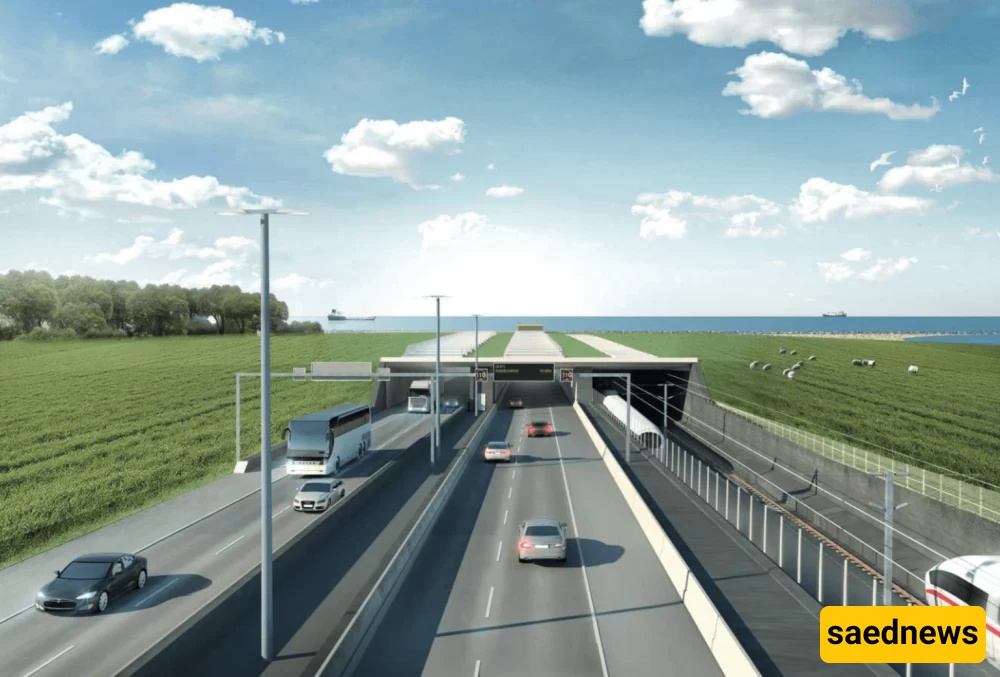
Officially known as the Fehmarnbelt Fixed Link, the tunnel will become the world’s longest immersed road and rail tunnel. It will consist of two two-lane motorways separated by a service tunnel, along with two electrified railway tracks.
Ole Kæselund, technical director at Femern A/S, explained that traveling by train from Copenhagen, Denmark, to Hamburg, Germany, currently takes around four and a half hours. After the tunnel is completed, the same journey will take approximately two and a half hours.
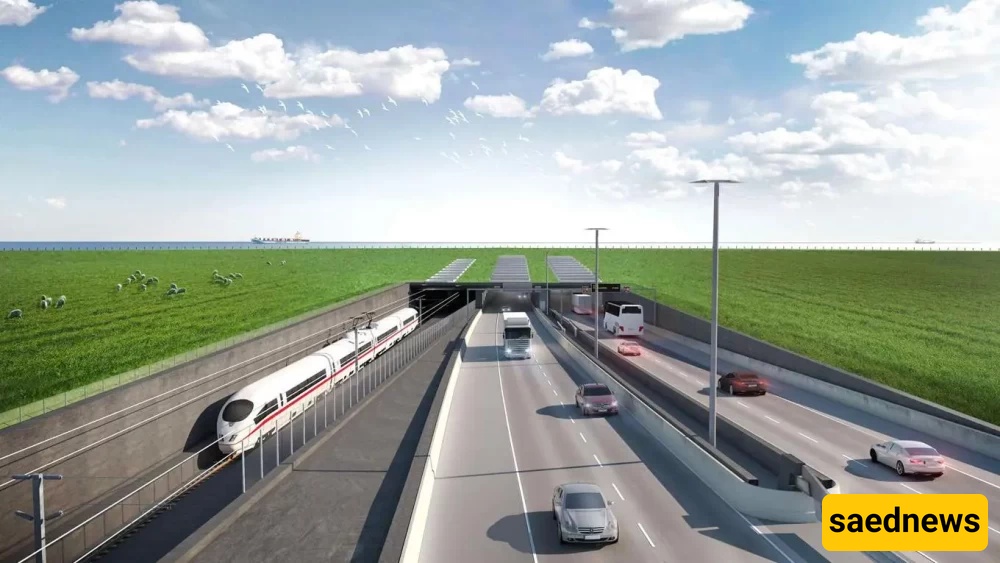
“Many people currently choose air travel between these two cities, but in the future, rail transport could become a strong competitor. A similar journey by car will also be around one hour faster than today.”
In addition to improving passenger travel, the tunnel will benefit freight transport. According to Kæselund, it will create a direct land route between Sweden and Central Europe that is about 160 kilometers shorter than the current route.
The idea for the underwater tunnel dates back to 2008, when Germany and Denmark signed an agreement to build the connection. More than a decade was then required for both countries to approve the necessary legislation and complete geological and environmental studies.
While the approval process moved relatively smoothly in Denmark, several German organizations—including shipping companies, environmental groups, and local authorities—challenged the project, citing concerns about unfair competition, environmental impacts, and construction noise.
In November 2020, Germany’s Federal Administrative Court rejected these complaints and approved the project with a number of conditions. According to Vincentsen, these requirements were expected.
The temporary construction harbor in Denmark has now been completed, while several other phases are underway. These include excavating the tunnel route and building the factory where the tunnel sections will be produced.
Each concrete tunnel section will measure:
217 meters in length
42 meters in width
9 meters in height
Approximately 73,000 metric tons in weight
The factory will contain six production lines across three large halls. Construction of the first hall is already about 95% complete.
The tunnel elements will be placed approximately 40 meters below sea level. They will be transported into position using tugboats and cranes, with the installation process expected to take around three years.
Around 2,500 workers will be directly involved in the Fehmarn Belt tunnel project, which has also been affected by global supply chain challenges.
Vincentsen said rising steel prices and increased costs for raw materials have created difficulties. Although required materials are still being obtained, contractors have had to expand their supplier networks to ensure stable access to resources.
Michael Swan from the Confederation of Danish Industry believes the tunnel will provide economic benefits beyond Denmark.
“The Fehmarn Belt tunnel will create a strategic corridor between Scandinavia and Central Europe. Improved rail connections will encourage more freight transportation to move from roads to railways, supporting more climate-friendly transport solutions.”
Some environmental groups have raised concerns about the tunnel’s potential effects on marine ecosystems. However, Michael Levandall Kruse from the Danish Society for Nature Conservation believes the project could also provide environmental advantages.
“As part of the Fehmarn Belt project, new natural areas and rocky habitats will be created on both the Danish and German sides. Nature needs space, and this will provide more room for natural ecosystems.”
The biggest climate advantage, however, may come from transportation changes. Faster rail connections across the strait could make trains a serious alternative to short-distance flights, while electric freight trains remain one of the most environmentally efficient methods of transporting goods.
When completed in 2029, the Fehmarn Belt Fixed Link will not only become the world’s longest immersed road and rail tunnel but also a key transport corridor connecting Northern Europe with the rest of the continent.