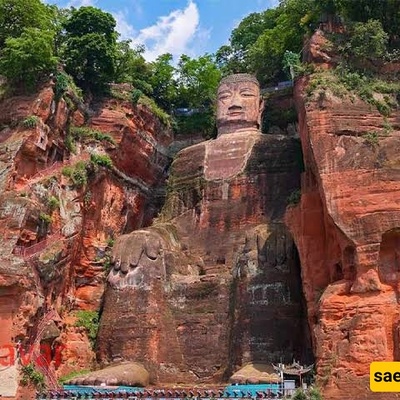
SAEDNEWS: From the dry deserts of Utah to the volcanic fields of Iceland, Earth hosts extreme landscapes that closely resemble Mars, helping scientists test equipment, train astronauts, and understand how life might survive on the Red Planet.
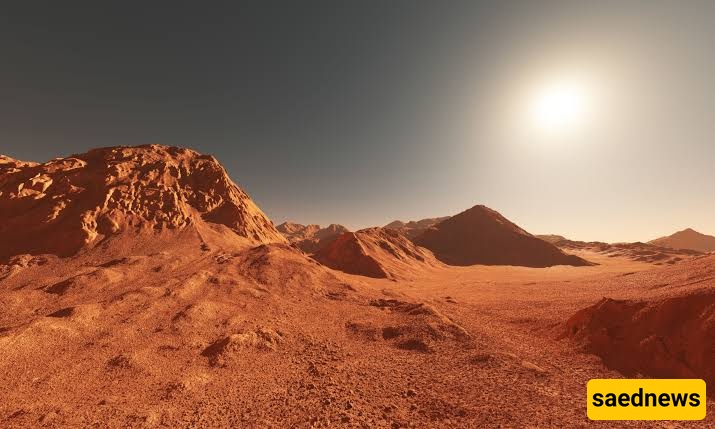
According to SaedNews. there are places on Earth so extreme, so dry, and so alien-looking that they feel less like part of our planet and more like stepping onto Mars itself. But these aren’t science fiction movie sets—they are real environments that scientists actively study to prepare for future space exploration.
What if the closest thing to Mars… is already here beneath our feet?
NASA, the European Space Agency (ESA), and research teams from institutions such as the Jet Propulsion Laboratory (JPL) regularly use Earth-based analog sites to simulate Martian conditions.
Why? Because sending missions to Mars is extremely difficult and expensive, and testing technology in real Mars-like environments helps reduce risk.
But what makes a place on Earth look like Mars?
The key factors include:
Extremely dry climate
Iron-rich red soil
Volcanic rock formations
High radiation exposure (in some regions)
Minimal vegetation
Let’s explore the most shocking Earth locations that match these conditions.
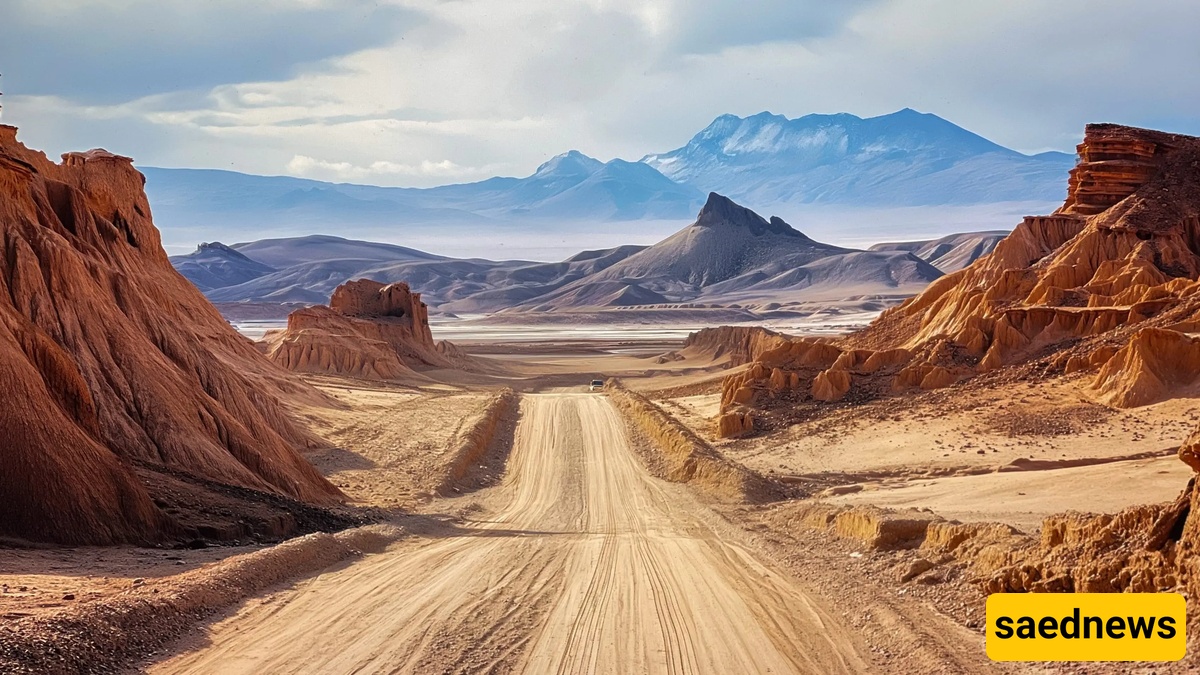
Stretching across northern Chile, the Atacama Desert is often described by NASA scientists as one of the closest Earth analogs to Mars.
Research teams from NASA’s Ames Research Center have tested rover prototypes here because some regions of the Atacama receive almost no measurable rainfall for decades.
Instruments sent to the desert have even struggled to find microbial life in certain soil samples collected by astrobiology teams.
If life struggles here on Earth, could it survive on Mars?
The deserts of Utah, particularly near Hanksville, are used by NASA for the Mars Desert Research Station (MDRS), operated by the Mars Society.
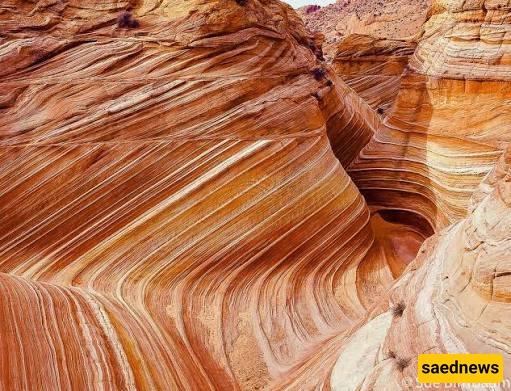
Here, researchers simulate astronaut missions while wearing spacesuits and conducting geological sampling.
The landscape—iron-rich sandstone, deep canyons, and dust-covered plains—strongly resembles images captured by Mars rovers like Curiosity and Perseverance.
But why does Utah look so much like another planet?
The answer lies in ancient sedimentary rock formations shaped by millions of years of erosion.
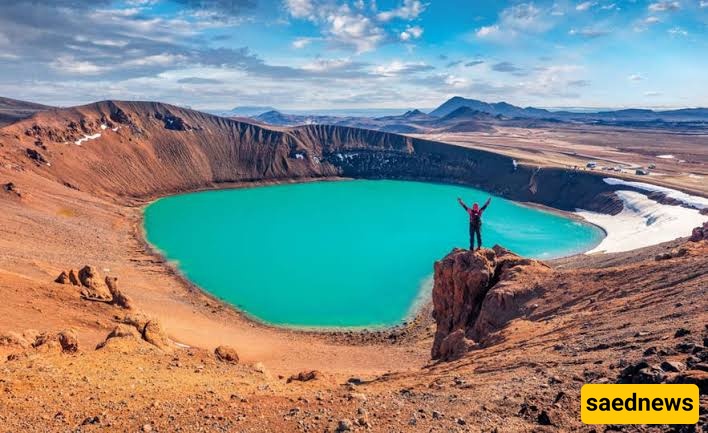
Iceland’s volcanic regions, such as the Krafla and Mývatn lava fields, are studied by ESA scientists because they closely resemble Martian volcanic terrain.
The basaltic lava formations are similar to rocks analyzed by NASA’s Perseverance rover in Jezero Crater.
Researchers from the University of Iceland and ESA have used these fields to test drilling equipment designed for Mars missions.
Could frozen lava landscapes hold clues to ancient Martian volcanoes?
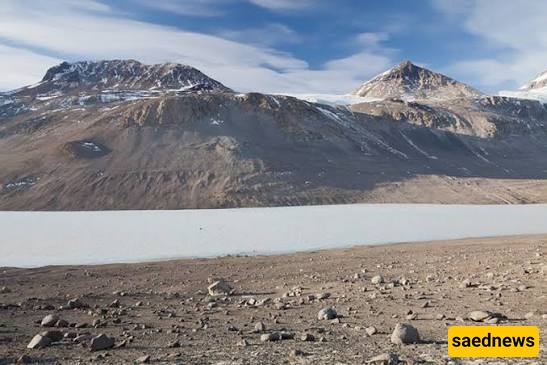
The McMurdo Dry Valleys in Antarctica are one of the harshest environments on Earth, studied extensively by the National Science Foundation (NSF).
Despite being covered in ice nearby, these valleys remain almost completely free of snow and precipitation due to katabatic winds.
Microbiologists have discovered extremophile bacteria living inside rocks, surviving without sunlight or liquid water for long periods.
If life can survive here… could it survive beneath Mars’ surface?
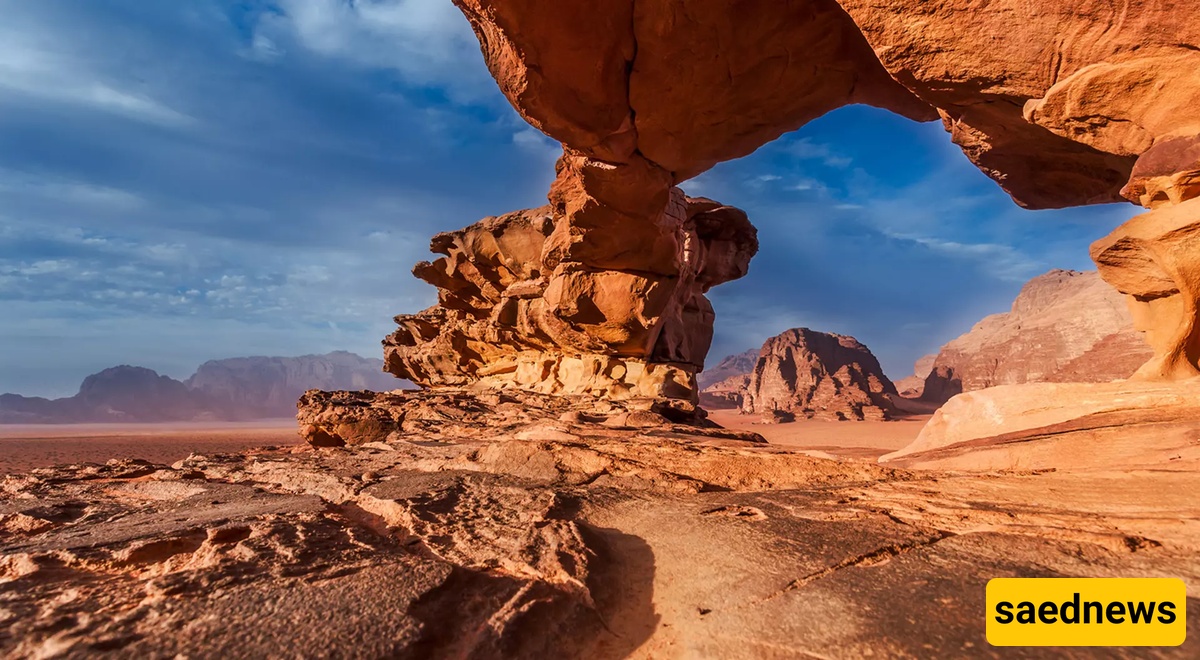
Wadi Rum’s red sand dunes and towering sandstone cliffs have made it a popular filming location for Mars-themed movies.
But beyond cinema, ESA astronauts have trained here due to its geological similarity to Martian landscapes.
The iron-rich sand gives the terrain its red color—similar to Mars’ oxidized surface.
So why does Earth naturally produce landscapes that look like another planet?
Scientists explain that Mars-like environments on Earth are formed through similar geological processes:
Volcanic activity creating basalt rock
Wind erosion shaping desert landscapes
Iron oxidation producing red coloration
Extreme dryness preventing vegetation growth
NASA planetary geologists compare satellite images of Mars with Earth analog sites to better understand erosion, climate history, and potential habitability.
But does this mean Mars was once more like Earth?
One of the most fascinating discoveries in planetary science is how closely Earth analog sites mirror Mars’ ancient past. Evidence from NASA rover missions suggests that Mars once had rivers, lakes, and possibly conditions suitable for microbial life.
Studying places like the Atacama Desert or Antarctic Dry Valleys doesn’t just prepare us for Mars—it may also reveal how planetary environments evolve over time.
And here’s the real question: if Earth can look like Mars today… what does that say about Mars’ past?
The answer might reshape how we understand life itself.