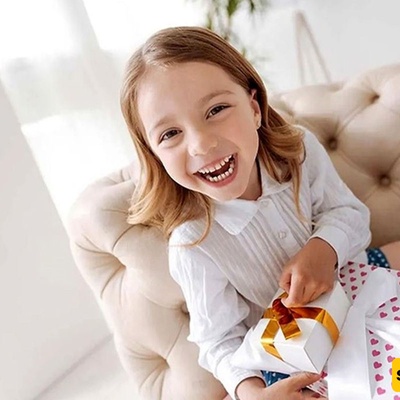
SAEDNEWS: Encouraging children plays an important role in building confidence, motivation, and positive habits. However, some common mistakes in the way parents encourage their children can reduce the effectiveness of praise and even create unnecessary pressure.

According to SAEDNEWS, encouragement is one of the most important tools parents can use to support their children's growth. Positive words and attention can help children feel valued and motivated. However, when encouragement is used incorrectly, it may lead to stress, dependence on approval, or fear of making mistakes.
One common mistake is focusing only on achievements and final results. When parents praise children only when they win or perform perfectly, children may believe that their value depends on success. It is better to appreciate their effort, patience, and progress. Recognizing the process helps children learn that improvement is more important than always being the best.
Comparing a child with siblings, friends, or classmates can reduce confidence and create negative feelings. Every child has unique abilities, interests, and learning speeds. Effective encouragement should focus on a child's own development rather than measuring them against others.
Constantly praising every small action without providing real feedback can make encouragement less valuable. Children need honest and specific support to understand their strengths. Meaningful encouragement explains what they did well and helps them recognize their own abilities.
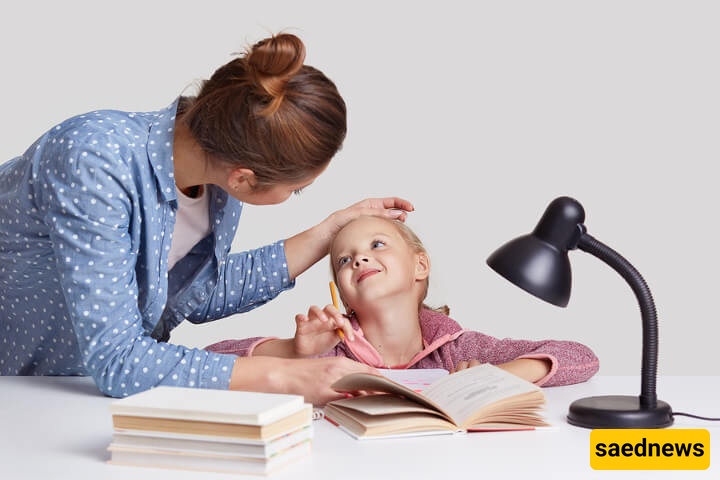
Sometimes parents unintentionally turn encouragement into pressure by expecting constant success. Words that suggest children must always achieve high standards can make them afraid of mistakes. Children need to understand that mistakes are a natural part of learning and growth.
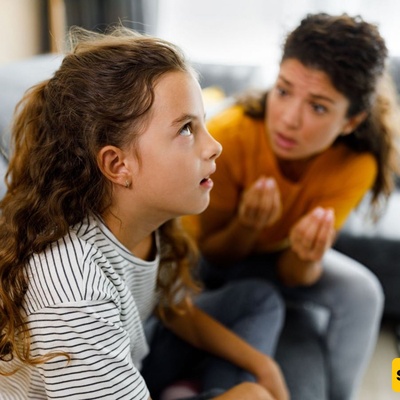
Another mistake is encouraging children without listening to their emotions. A child may need comfort and understanding before receiving advice or motivation. Parents who pay attention to feelings can provide support that matches the child's real needs.