SAEDNEWS: The combination of honey and cinnamon may help improve acne and the appearance of enlarged pores due to their antibacterial and anti-inflammatory properties. In this article, we take a scientific look at this popular homemade face mask and examine what the available evidence says about its potential benefits.
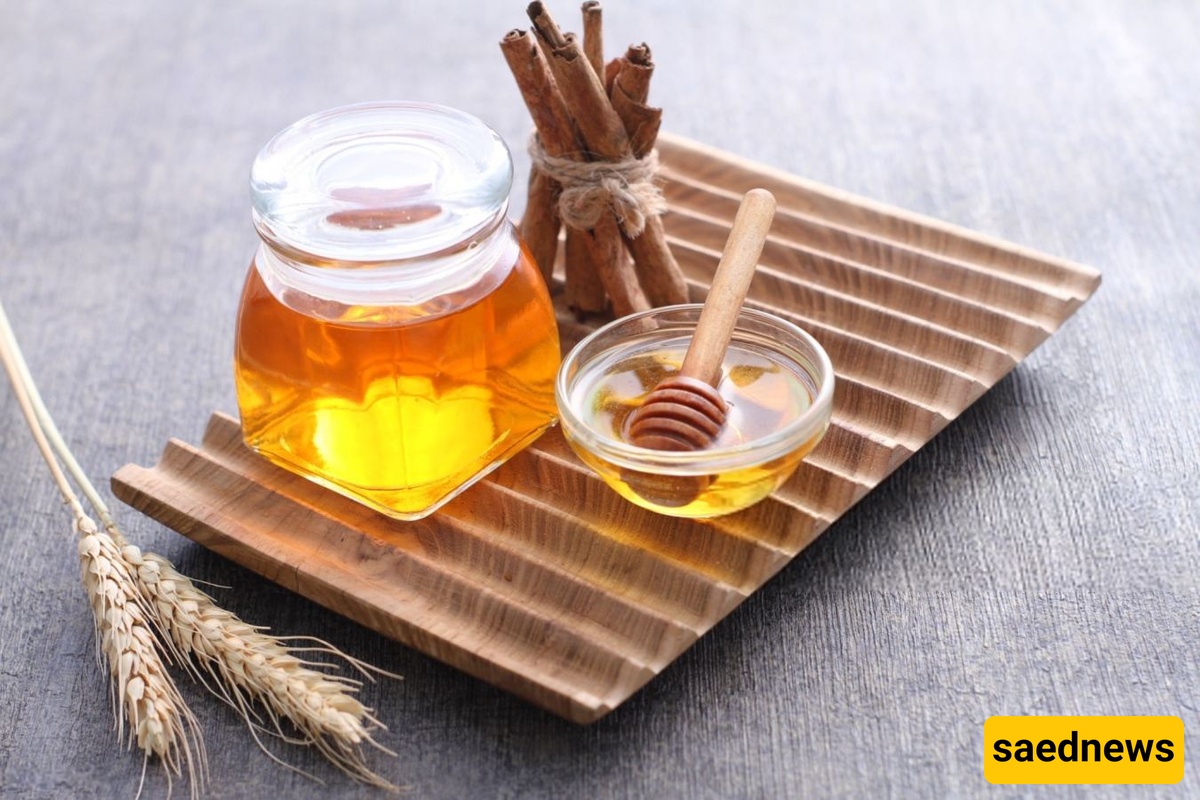
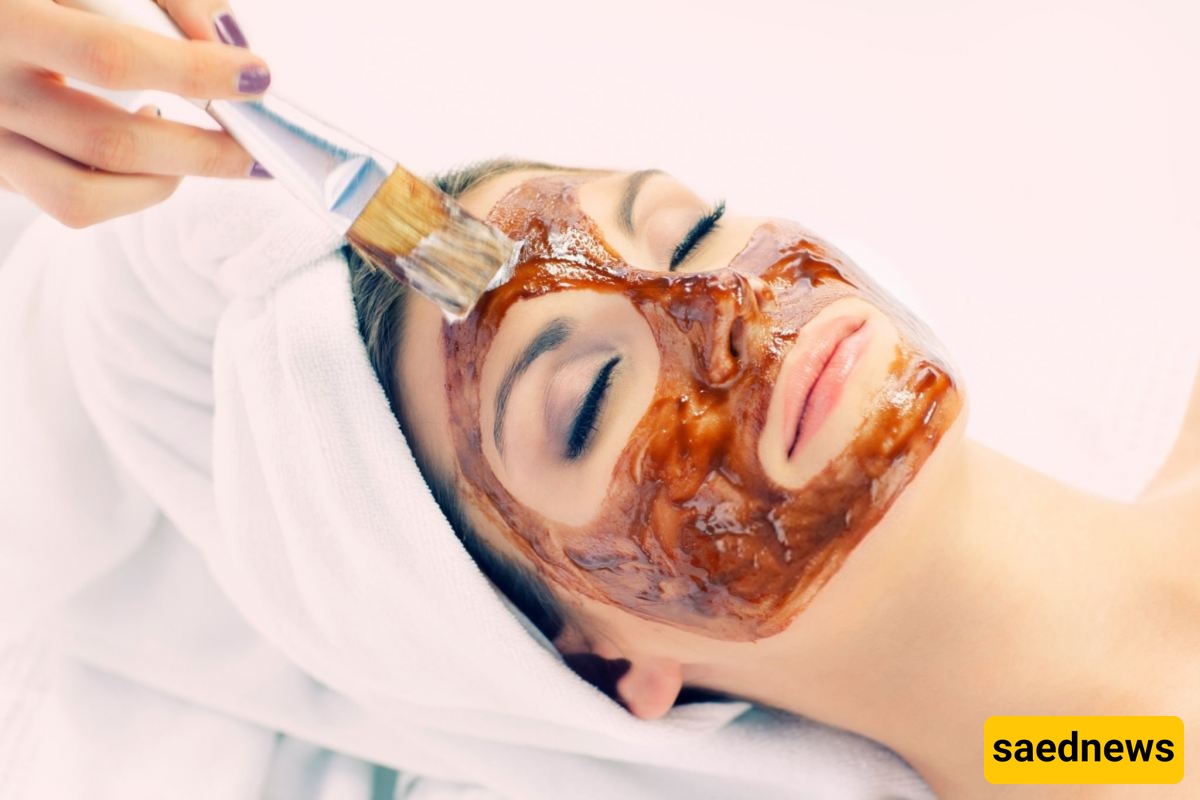
According to Saednews, The honey and cinnamon face mask has gained attention for its antibacterial, anti-inflammatory, and antioxidant properties. But can this combination really replace medical treatments? Answering this question requires a careful review of the scientific details and clinical evidence. In this article, we examine how these two ingredients work, compare their effects with common acne treatments, and discuss essential safety considerations. We also provide practical instructions to help you get the most appropriate use from this homemade face mask.
To understand the potential benefits of a honey and cinnamon face mask, it is important to first examine its individual components. Both ingredients contain biologically active compounds that may produce beneficial effects on their own and potentially interact with one another.
Honey has been used as both a food and medicinal substance for thousands of years across different civilizations. Its main components include natural sugars such as fructose and glucose, water, enzymes, organic acids, polyphenols, and flavonoids. Some of the most notable properties of honey for the skin include:
1. Strong antibacterial properties:
Honey creates an unfavorable environment for bacterial growth because of its mildly acidic nature, with a pH of around 4, its high osmolarity, and the presence of the enzyme glucose oxidase. This enzyme breaks down glucose and produces hydrogen peroxide, which has natural antimicrobial properties. This effect may be particularly relevant to acne-causing bacteria, which are among the factors associated with the development of pimples.
2. Natural anti-inflammatory effects:
The flavonoids and phenolic acids found in honey may help reduce inflammation and redness associated with acne. These compounds can influence inflammatory enzymes such as cyclooxygenase and may help regulate the skin's inflammatory response, potentially soothing inflamed blemishes.
3. Deep hydration:
Honey is a natural humectant, meaning it attracts moisture from the surrounding environment and helps retain it in the skin. This property supports the skin barrier and may help reduce dryness and flaking, which can sometimes occur alongside acne treatments.
4. Powerful antioxidant activity:
Honey contains antioxidants that help neutralize free radicals and may help protect the skin from premature aging. Free radicals are among the factors associated with collagen damage and the development of fine lines and wrinkles.
Cinnamon is obtained from the inner bark of trees belonging to the Cinnamomum genus. It is not only a popular flavoring ingredient but has also been investigated for its potential uses in skin care. One of cinnamon's primary active compounds is cinnamaldehyde, which contributes to its characteristic spicy flavor and aroma. Other notable compounds include eugenol, cinnamic acid, and various terpenes.
1. Antibacterial and antifungal activity:
The active compounds in cinnamon, particularly cinnamaldehyde, have demonstrated inhibitory effects against a range of microorganisms. Laboratory studies have shown that cinnamon essential oil can inhibit the growth of both Gram-positive and Gram-negative bacteria. This property has attracted interest in acne research because Cutibacterium acnes—formerly known as Propionibacterium acnes—is commonly associated with acne.
2. Potential effect on skin oil production:
Cinnamon may influence the activity of sebaceous glands. Excessive sebum production is one of the factors associated with acne and the appearance of enlarged pores. Cinnamon compounds have been investigated for their potential effects on enzymes involved in lipid production and may therefore influence skin oil levels.
3. Improved circulation:
Topical application of cinnamon may cause superficial blood vessels in the skin to dilate. Increased blood flow can potentially improve oxygen and nutrient delivery to skin cells. This effect may support the skin's natural repair processes and contribute to a healthier appearance.
4. Mild exfoliating action:
The texture of cinnamon powder can act as a natural scrub. Gentle use may help remove dead skin cells and surface impurities. This cleansing effect may help reduce the buildup of material around pores and improve their overall appearance.
Acne is a multifactorial skin condition involving several processes. These include excess sebum production, blockage of hair follicles through abnormal keratinization, proliferation of acne-associated bacteria, and inflammation. A honey and cinnamon mask has been proposed as a multipurpose approach because its ingredients may influence several of these factors.
One of the challenges in acne management is controlling the microorganisms that can proliferate in an environment with excess sebum. C. acnes normally lives as part of the skin microbiome within hair follicles, but under certain conditions it can contribute to inflammation.
Research suggests that natural honey, partly because of its hydrogen peroxide and organic acid content, can have antimicrobial effects. Cinnamon's cinnamaldehyde has also demonstrated antimicrobial activity in laboratory settings.
However, it is important to distinguish laboratory findings from proven clinical effectiveness. Evidence that honey or cinnamon can kill bacteria under laboratory conditions does not necessarily mean that a homemade face mask can treat acne as effectively as established medical therapies.
Inflammation is part of the body's defensive response, but in acne it can contribute to swelling, redness, and discomfort. The anti-inflammatory properties attributed to honey and cinnamon have therefore attracted interest in skin care.
Flavonoids found in honey, including compounds such as quercetin and kaempferol, have been studied for their ability to influence inflammatory signaling pathways such as NF-κB. These pathways are involved in the production of inflammatory cytokines, including IL-6 and TNF-α.
Although these mechanisms are scientifically interesting, much of the evidence comes from laboratory or experimental research. A homemade honey and cinnamon mask should therefore not be considered a proven treatment for severe or inflammatory acne.
People who are prone to acne may also experience increased sebum production. Excess oil can contribute to clogged pores and create conditions that favor the growth of acne-associated microorganisms.
Honey can help maintain skin hydration, while cinnamon has been investigated for possible effects on pathways involved in sebaceous gland activity. However, claims that a topical honey and cinnamon mask can significantly regulate sebum production in people with acne require stronger clinical evidence.
This distinction is particularly important for people whose acne is associated with hormonal changes, such as puberty or certain hormonal conditions.
Enlarged or highly visible pores are a common cosmetic concern. Pores cannot literally be "closed," but their appearance can sometimes be minimized by improving skin texture and reducing the buildup of oil and debris.
A honey and cinnamon mask may potentially contribute to this goal through several mechanisms.
Over time, oil, dead skin cells, and environmental impurities can accumulate around hair follicles, making pores appear larger. The texture of cinnamon powder combined with the sticky consistency of honey may help remove some surface impurities.
Keeping the follicular openings clean can improve the overall appearance of the skin. However, excessive scrubbing can irritate the skin and may make redness or inflammation more noticeable.
Cinnamon has been investigated for its effects on superficial circulation, while honey contains antioxidant compounds that may help protect skin components from oxidative stress.
Collagen and elastin contribute to skin firmness and elasticity. Maintaining healthy skin structure can make pores appear less prominent. However, there is not enough clinical evidence to conclude that a honey and cinnamon mask significantly increases collagen production or permanently tightens enlarged pores.
Enlarged pores are often more noticeable in areas where sebum production is higher, particularly the forehead, nose, and chin.
Keeping these areas excessively dry can sometimes worsen irritation and may lead to a compromised skin barrier. Maintaining adequate hydration while gently cleansing the skin may help reduce the accumulation of oil and debris, making pores appear less noticeable.
Overall, honey may offer moisturizing and antioxidant benefits, while cinnamon has demonstrated antimicrobial and anti-inflammatory potential in laboratory research. Nevertheless, a homemade honey and cinnamon mask should be viewed as a complementary skin-care practice rather than a substitute for evidence-based acne treatment.