SAEDNEWS: Göbekli Tepe, Turkey: The Oldest Known Temple (11,600 Years Old) Challenges Ideas About the Origins of Religion and Cities
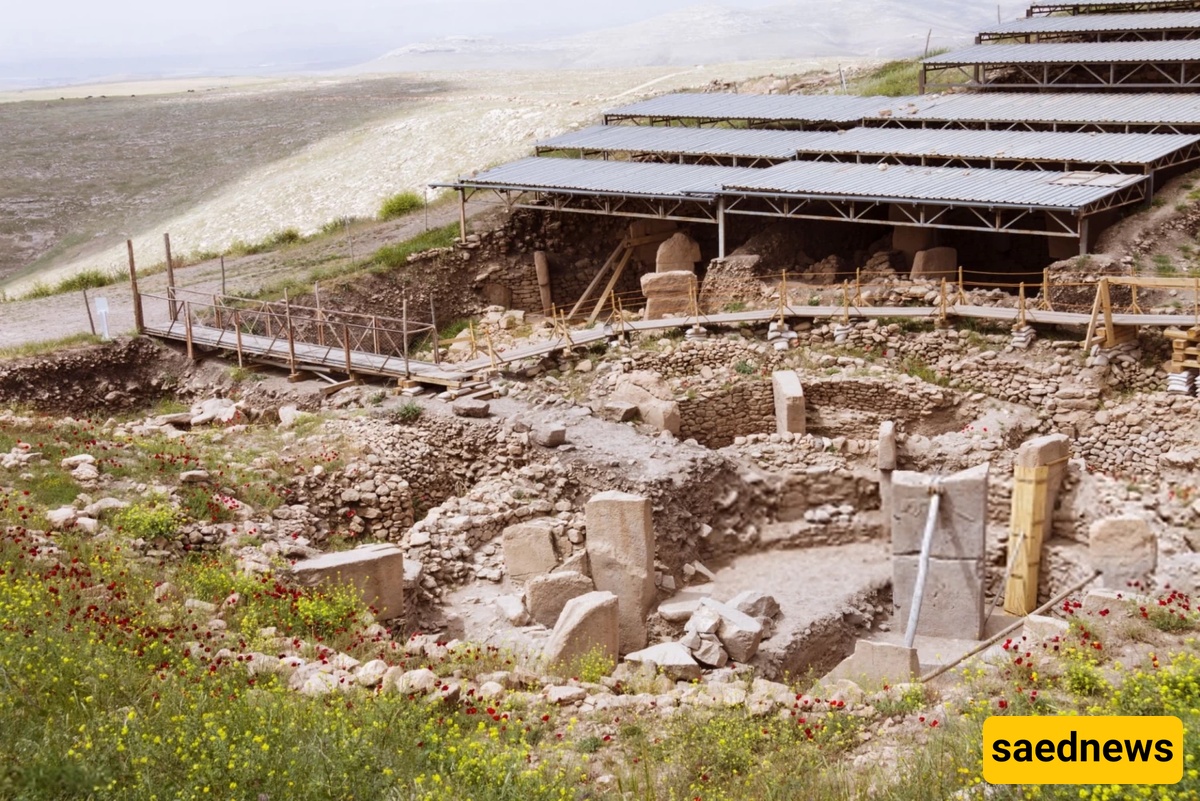
According to Saednews, Göbekli Tepe is recognized as one of the most astonishing and mysterious archaeological sites in the world. Located in southeastern Turkey, it is considered the oldest known temple complex in human history and has attracted the attention of researchers and tourists alike. From an archaeological and historical perspective, Göbekli Tepe not only sheds light on the origins of human civilization but also raises countless questions about the formation of early societies and their religious beliefs. This article explores its history, features, and significance, along with some of its enduring mysteries.
Göbekli Tepe was first discovered in 1963 by archaeologists, but its true significance was not understood until the 1990s, when excavations led by Professor Klaus Schmidt revealed its importance. The site is estimated to date back to around 9600 BCE, making it one of the oldest known religious sites in the world.
Göbekli Tepe is especially famous for its large circular enclosures made of massive stone pillars.
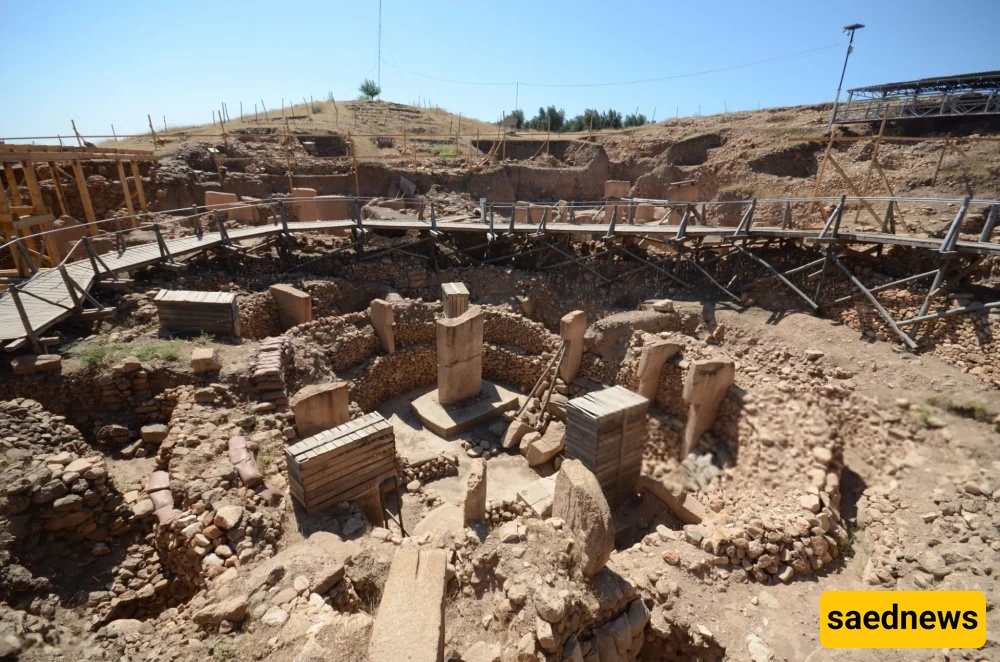
Göbekli Tepe consists of several large circular stone enclosures, each surrounded by massive carved stone pillars. These stones were carefully shaped and decorated with reliefs depicting animals and symbolic motifs.
In total, more than 200 circular structures are believed to exist at the site, many of which have not yet been fully excavated.
To visit this extraordinary archaeological site, one must travel to the city of Şanlıurfa in southeastern Turkey. The site is located approximately 15 kilometers northeast of the modern city center.
The Göbekli Tepe area stretches roughly 300 meters and remained buried under earth for thousands of years.
Despite its ancient origins, Göbekli Tepe continues to amaze people today, making it easy to imagine life in such a distant past.
Being situated on a hill, the site likely allowed visibility from a distance and may have provided a symbolic dominance over the surrounding landscape.
It is widely believed that Göbekli Tepe was not a residential settlement. Instead, it may have been a gathering place where tribes and early communities met for rituals and ceremonies. No residential structures have been discovered—only monumental T-shaped pillars.
One of the most distinctive features of Göbekli Tepe is its massive stone pillars carved with intricate reliefs. These include images of animals such as snakes, eagles, and bulls, as well as abstract human-like symbols.
These carvings likely reflect the spiritual beliefs of prehistoric people and may be connected to rituals, mythology, or early forms of worship.
Göbekli Tepe appears to have played an important social role in early human societies. It was not only a place of worship but also a center for social gathering. People likely traveled from distant regions to participate in ceremonies and communal events.
The construction of such massive structures is considered a remarkable achievement for its time. At that period, humans had not yet fully developed agriculture or animal domestication, making the creation of such monumental architecture even more extraordinary.
Göbekli Tepe is believed to represent a major turning point in human history, marking a transition from hunter-gatherer societies to more settled agricultural communities.
It may also represent one of the earliest known foundations of organized religious belief systems.
Göbekli Tepe is also linked to other archaeological sites in Turkey and the broader Middle East. These connections help researchers understand how early cultures interacted and influenced each other over time.
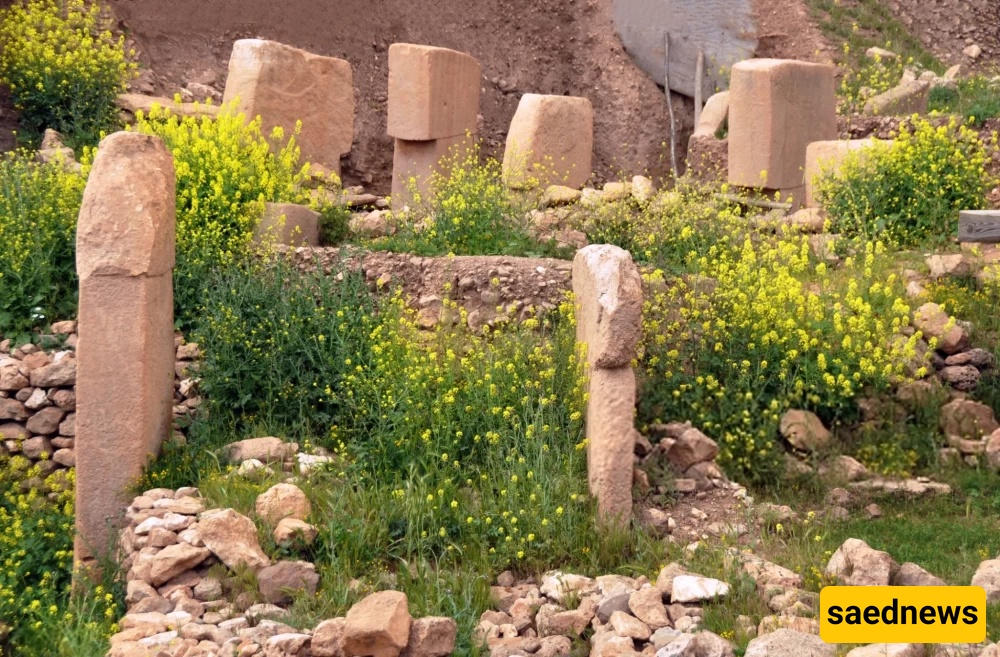
Excavations at Göbekli Tepe are still ongoing. Each new discovery adds valuable insight into early human societies and their belief systems.
Despite its importance, the site faces preservation challenges. Tourism pressure, climate change, and human impact all pose risks to its long-term survival. Protecting this cultural heritage is essential for future generations.
Göbekli Tepe is not only an important archaeological site but also a key to understanding the early development of human civilization. Its unique features—such as its carved pillars and complex circular structures—offer a glimpse into the spiritual and social lives of prehistoric people.
Ultimately, Göbekli Tepe continues to remind us that human history is constantly evolving and full of discovery.
Ongoing research ensures that it remains a rich source of historical knowledge and an important cultural and scientific landmark.
To reach Göbekli Tepe, travelers typically fly or travel by road to Şanlıurfa in southeastern Turkey, and then continue by car or tour service to the site located about 15 km northeast of the city center.