SAEDNEWS: Peach, with its soft and velvety skin, is one of the most popular summer fruits. But have you ever wondered why peaches have fuzz? In this article, we explore the scientific reasons for the presence of fuzz on peach skin.
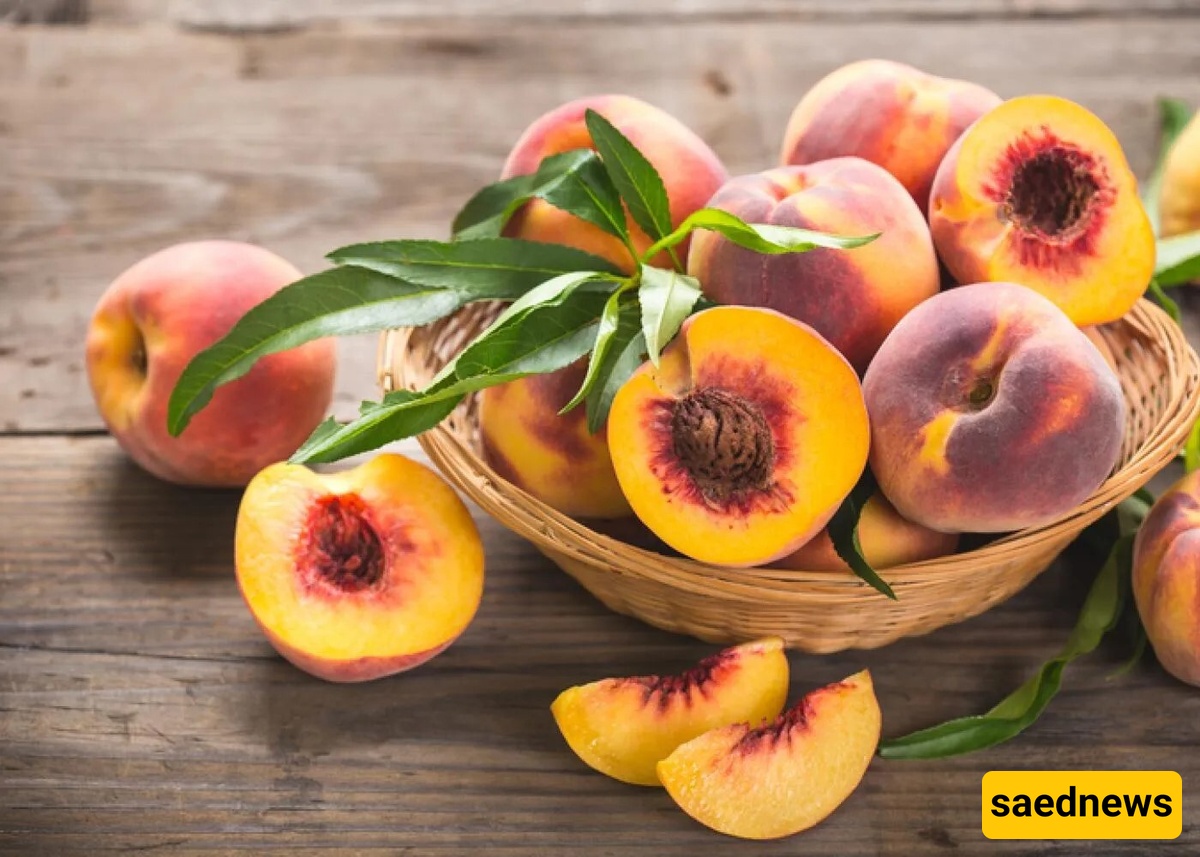
According to SAEDNEWS, Peach, this juicy and fragrant summer fruit, with its soft and velvety skin, is one of the most popular fruits around the world. But have you ever asked yourself why peaches have fuzz? This simple question contains fascinating answers that span plant biology, evolution, and even industrial applications. In this comprehensive article, we take a scientific and engaging look at the reason for the fuzz on peach skin and uncover the hidden secrets behind this unique feature.
The peach fuzz, scientifically known as “trichomes,” are tiny hair-like structures that grow from the epidermal cells of the fruit skin. These microscopic structures are made of cellulose and other polysaccharides, giving the peach its fuzzy and soft appearance.
The density of these trichomes varies among different peach varieties. Some peaches, such as common yellow peaches, have relatively thick fuzz, while flat peaches or nectarines—which are actually a genetic mutation of peaches—have smooth, fuzz-free skin. These differences are caused by genetic changes in the pathway responsible for trichome production.
One of the most important functions of peach fuzz is to create a physical barrier against pests. These tiny hairs act like a trap that can catch small insects and prevent them from reaching the fruit surface. Insects such as aphids, mites, and certain larvae that attempt to lay eggs on the fruit become entangled in these hairs and cannot easily penetrate the skin.
Studies have shown that peach varieties with denser fuzz are less exposed to pest attacks. This feature is considered an important evolutionary advantage for the fruit’s survival.
Peach fuzz plays an important role in regulating the fruit’s water balance. These fine structures create a thin layer of air around the fruit, reducing the rate of water evaporation from the skin. In other words, the hairs act as a natural insulating layer and minimize moisture loss.
This is especially important in hot and dry regions where peaches are cultivated. By reducing transpiration, the fruit can remain fresh and juicy for a longer period.
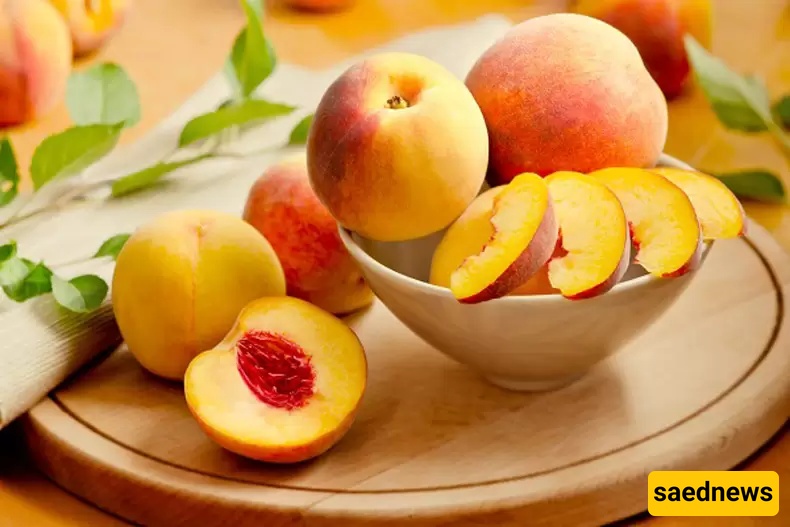
Sunlight contains ultraviolet (UV) rays that can damage plant cells. Peach fuzz helps protect the fruit’s tissues by scattering and reflecting part of this radiation, reducing direct exposure.
This protection is particularly important during the early stages of fruit development, when the skin is still thin and vulnerable. The hairs act like a natural shade, preventing sunburn and unwanted discoloration of the fruit.
The fuzzy surface of peaches creates an unfavorable environment for many microorganisms. Water droplets that may carry fungal spores are less likely to remain on the surface because the hairs reduce adhesion, causing them to roll off more easily.
In addition, some studies suggest that peach fuzz may contain natural antimicrobial compounds that help inhibit the growth of harmful bacteria and fungi. This chemical defense complements the physical protection provided by the hairs.
The soft and flexible hairs of peaches act as a natural cushion, protecting the fruit from bruises and scratches. When fruits grow close together on branches or bump into each other due to wind, the fuzz helps prevent surface damage.
This feature is especially important for a soft and juicy fruit like peach, which is easily bruised.