SAEDNEWS: Amber Fort is one of the most visited tourist attractions and a UNESCO World Heritage Site, featuring magnificent Rajput and Mughal architecture.
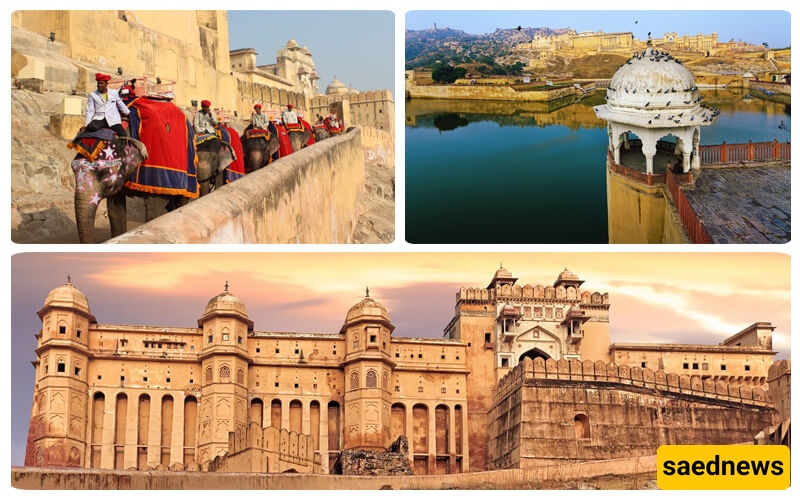
According to Saednews, In the heart of India’s colorful state of Rajasthan, just 11 kilometers from the Pink City of Jaipur, stands a magnificent and legendary fort whose name is tied to Rajput grandeur, power, and architectural artistry. Amber Fort, also known as Amer Fort, is one of the most prominent and most visited tourist attractions in India. This massive fort, inscribed as a UNESCO World Heritage Site in 2013, is not only a symbol of the strength and wealth of Rajput rulers but also a stunning fusion of Hindu and Mughal architectural styles.
Originally known as “Amber,” the fort takes its name from the goddess Amba (a form of Durga in Hinduism). Its origins date back to the 10th century, although its present form was largely developed during the reign of Raja Man Singh I in the 16th century. A trusted general of Emperor Akbar, Raja Man Singh I began construction of the fort in 1592, and successive rulers continued expanding and enhancing it over time.
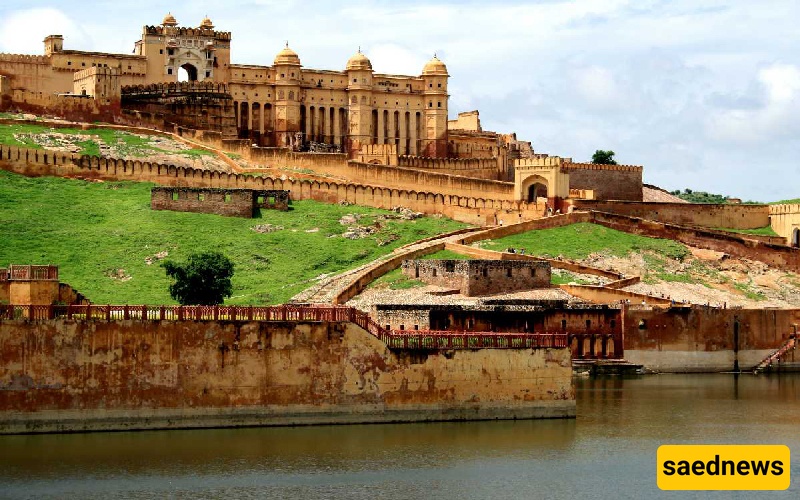
Before the capital was moved to Jaipur in 1727 by Sawai Jai Singh II, Amber Fort served as the capital of the Kachwaha Rajput dynasty for more than six centuries. Over the centuries, the fort witnessed wars, peace treaties, court intrigues, and royal romances. Its stone walls preserve countless stories of honor and power. One of the most notable historical events associated with the fort is the marriage of Raja Man Singh I to a Mughal princess, reflecting the close diplomatic ties between the Rajputs and the Mughal Empire.
Amber Fort is a remarkable example of Rajput architecture blended with Mughal influences. Built from red sandstone and white marble, the fort is spread across four levels on a rocky hillside. Each level has its own courtyard and is connected through a network of staircases and corridors.
The architecture combines Hindu and Mughal elements. Arched gateways, onion-shaped domes, and intricate marble decorations reflect Mughal influence, while geometric patterns, Hindu deity sculptures, and spacious courtyards represent traditional Rajput design. This artistic fusion makes Amber Fort one of the finest examples of post-medieval Indian architecture.
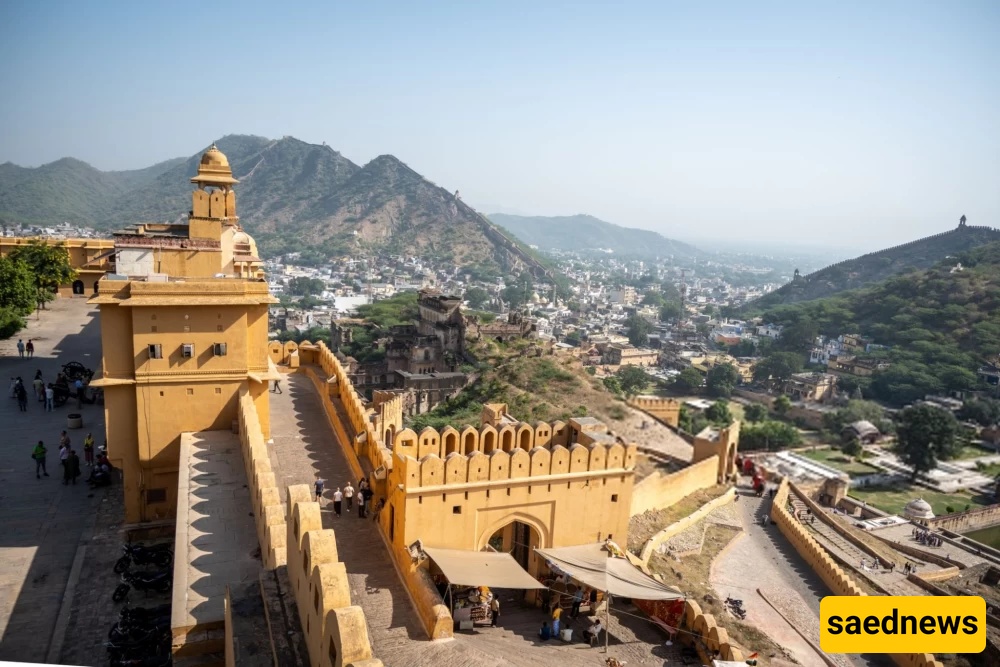
1. Suraj Pol (Sun Gate)
The main entrance of the fort faces east toward the rising sun. This grand gate, decorated with paintings and ornamentation, leads visitors into the first courtyard.
2. Jaleb Chowk
After passing through Suraj Pol, visitors enter Jaleb Chowk, a large courtyard used for military parades and gatherings of soldiers. It also contains royal stables and guard rooms.
3. Diwan-e-Aam (Hall of Public Audience)
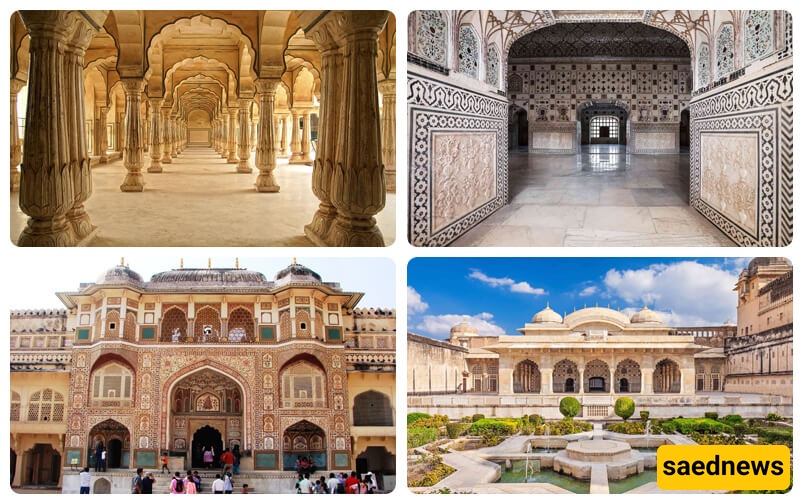
This hall was where the king addressed public grievances. It features 40 beautifully carved marble columns and an open pavilion with a flat roof.
4. Diwan-e-Khas (Hall of Private Audience)
A more intimate space used for private meetings with special guests and foreign ambassadors, known for its exquisite marble decorations and mirror work.
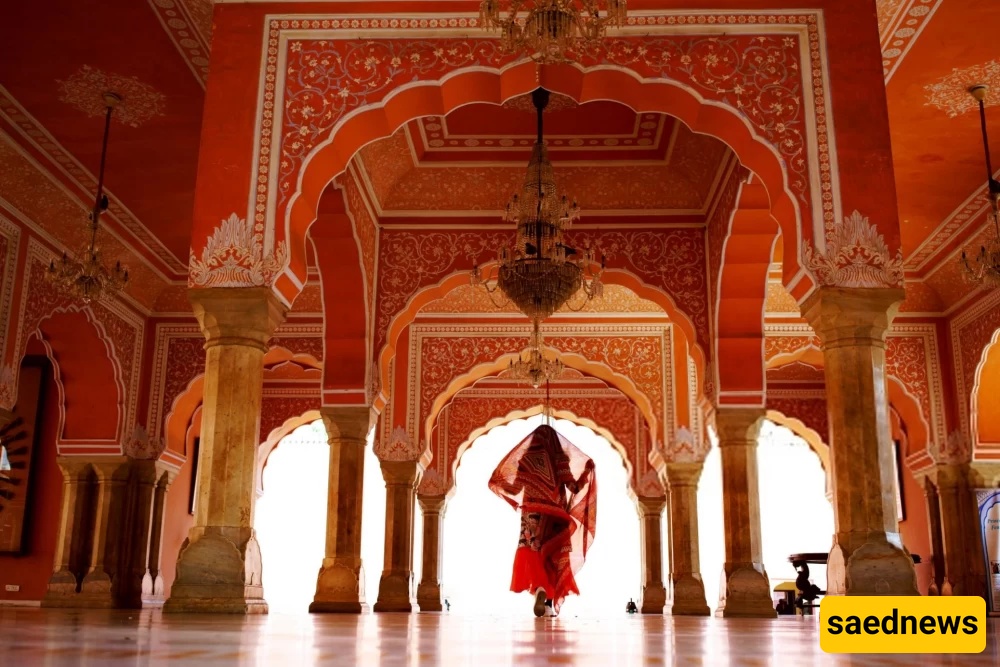
5. Sheesh Mahal (Mirror Palace)
The most famous and dazzling part of Amber Fort, Sheesh Mahal is adorned with thousands of mirrors and colored glass pieces. Even a single candle can illuminate the entire room, reflecting light like a sky full of stars.
6. Sukh Niwas (Pleasure Palace)
A hall designed with a natural cooling system. Water channels run through its walls, creating a refreshing and comfortable indoor climate.
7. Charbagh Garden
Located behind the main palace, these gardens follow the Persian-Mughal Charbagh layout, featuring water pools, fountains, and symmetrical pathways.
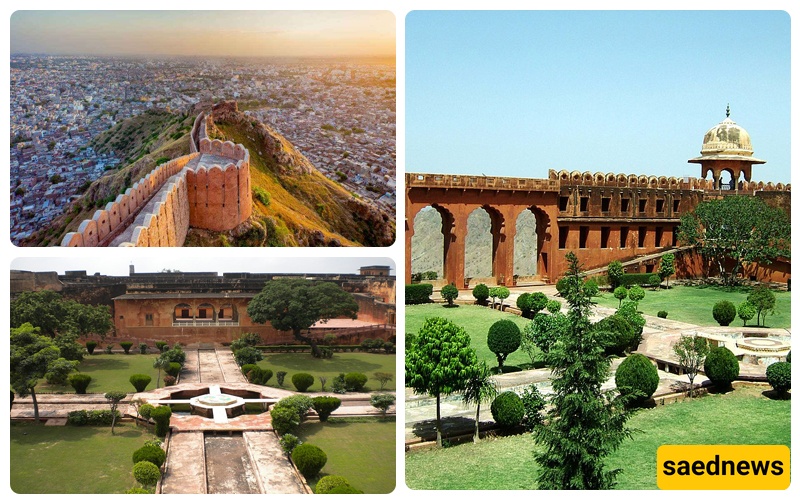
Located nearby, Jaigarh Fort served as a military stronghold and weapons storage site. It is connected to Amber Fort through underground passages. Jaigarh is famous for housing Jaivana, the world’s largest wheeled cannon. Visiting both forts offers a complete insight into the military and royal history of Rajasthan.
Best Time to Visit
The ideal time to visit is during winter (October to March), when the weather is pleasant. Early morning or late afternoon visits are recommended to avoid crowds and heat.
How to Reach
The fort is about 11 km from central Jaipur and can be reached by taxi, bus, or rickshaw. Elephant rides were once popular but are now discouraged due to ethical concerns regarding animal welfare.
Tickets and Costs
Entry tickets for foreign tourists cost approximately 500 INR, while Indian citizens pay around 100 INR. Combined tickets for multiple Jaipur attractions are also available.
Amber Fort stands as a timeless journey into the royal heritage, architecture, and history of Rajasthan.