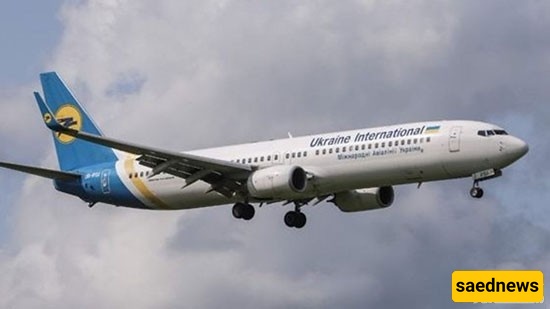
SAEDNEWS: We woke up and saw and heard something that we had heard about many times in the days after the incident, but we did not want to believe it: the Ukrainian passenger aircraft had been shot down due to human error by a missile fired from the air defense system of the Aerospace Force of the IRGC.

According to Saed News, citing Bartarinha, we woke up to something we had heard repeatedly in the days following the incident, but did not want to believe: the Ukrainian passenger aircraft had been shot down as a result of human error and by fire from the air defense system of the Aerospace Forces of the Islamic Revolutionary Guard Corps.
In a week full of tension and incidents, this news came as a final blow for many. In addition to the grief caused by the death of more than 176 people, most of whom were Iranian or of Iranian descent, it once again reminded us of the familiar pattern of repeated denials followed by confirmed reports, severely damaging public trust in official statements.
There is much to say about this tragedy, and many media outlets have written extensively in recent days, especially since the cause was officially attributed to friendly fire and human error. Such incidents are not unprecedented in history. In recent years, there have been multiple cases of passenger aircraft being shot down due to human error, mistaken missile defense systems, other ground-to-air weapons, or even acts of sabotage.
However, unfortunately, this is the first time a passenger aircraft has been targeted by the very country from which it originated, with most passengers being its own citizens.
One of the most painful and well-known examples is the shooting of Iran Air Flight 655 by the USS Vincennes in 1988, in which 290 Iranians lost their lives. A more recent example is the 2017 incident involving a Malaysian passenger aircraft over Ukraine, shot down accidentally by forces backed by Russia, with 298 passengers and crew on board. Russia and those forces never accepted responsibility. Another well-known case is the 1983 Korean Air Lines incident, when a passenger aircraft was shot down by Soviet air defense systems, killing 269 people—one of the earliest major cases of civilian aircraft being destroyed due to human error.
On this occasion, we aim to introduce some of the worst and most catastrophic disasters caused by human error in modern history.
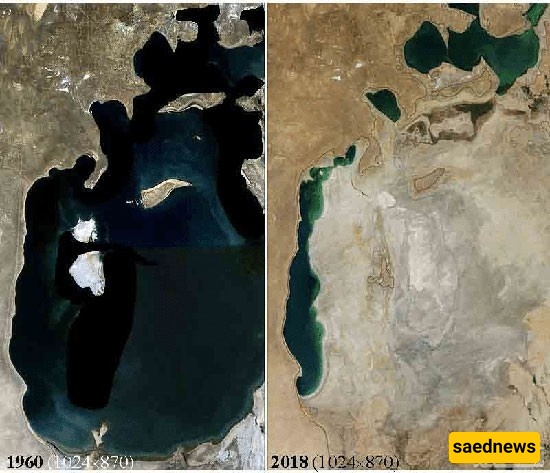
The Aral Sea was once one of the largest enclosed bodies of water in the world, located between Kazakhstan in the north and the Uzbekistan border in the south. Its watershed included Uzbekistan, Turkmenistan, Tajikistan, Kyrgyzstan, and Kazakhstan.
It once covered 68,000 square kilometers, but since the 1960s its area has sharply declined due to irrigation projects and water management policies of the Soviet Union.
By 2007, the sea had split into four smaller lakes, but satellite images from 2014 showed that the eastern part had completely dried out and is now known as the Aralkum Desert. Former UN Secretary-General Ban Ki-moon described it as one of the worst environmental disasters on Earth.
The ecosystem collapsed, people who depended on fishing lost their livelihoods, and toxic materials remained in place due to military testing and excessive chemical fertilizer use. Child mortality increased, and tuberculosis spread significantly. Although limited restoration efforts have been made, parts of the southern area are now being explored for oil extraction.
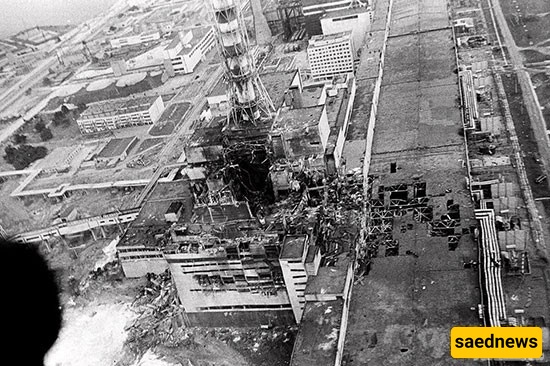
Among nuclear disasters worldwide, Chernobyl is the most well-known and one of the deadliest. While Fukushima released large amounts of radioactive material, Chernobyl’s release was far greater and spread across Western Soviet territories and Europe.
The Chernobyl Nuclear Power Plant near Pripyat, Ukraine, was under Soviet management. On April 26, 1986, during a systems test, Reactor No. 4 experienced a sudden power surge, leading to a massive explosion. Radioactive materials were released into the atmosphere and spread rapidly.
Thirty-one people died initially in the nearby city of Pripyat, which was evacuated late due to mismanagement. Investigations showed that human error played a key role, including disabling automatic shutdown systems before the test.
Today, the reactor is enclosed within a massive containment structure, and only a limited number of researchers can access the site for monitoring and cleanup work.
Space travel is not only dangerous during re-entry. On January 28, 1986, the Space Shuttle Challenger exploded over Cape Canaveral, Florida.
The failure began when an O-ring seal in one of the solid rocket boosters malfunctioned during launch. Hot gas leaked through the damaged seal, affecting the external fuel tank and causing an explosion.
Millions of Americans watched the launch and explosion live on television. All seven astronauts on board were killed.
An investigation concluded that unusually cold temperatures on launch day contributed to the O-ring failure. It was also found that warnings from engineers about the risk had been ignored by the contractor and NASA management.

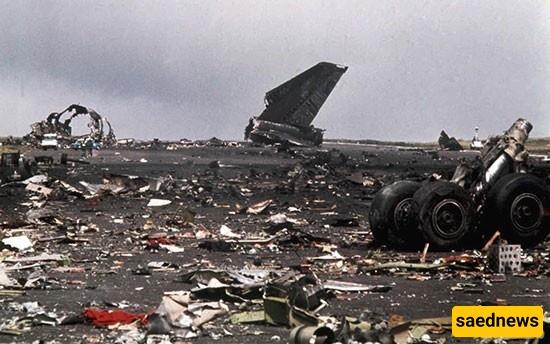
In March 1977, the deadliest aviation disaster in history occurred in Tenerife, Spain—not in the air, but on the runway.
Due to multiple factors including heavy fog, poor visibility, and miscommunication between air traffic control and pilots, two Boeing 747 aircraft collided on the runway.
A KLM aircraft mistakenly believed it had clearance for takeoff while a Pan Am aircraft was still on the runway. The collision killed 583 people.
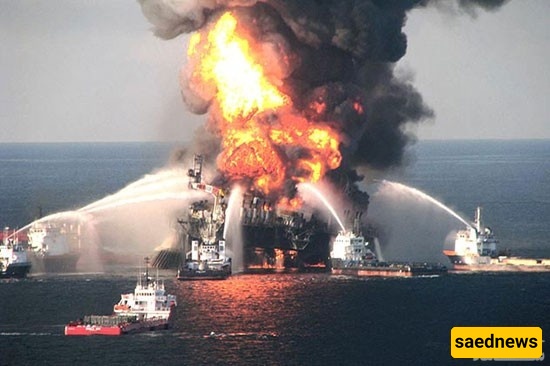
On April 20, 2010, the Deepwater Horizon offshore drilling rig in the Gulf of Mexico exploded and caught fire during deep-sea drilling operations.
Eleven of the 126 workers on the platform died, and the rig sank two days later, causing a massive oil spill.
Over 87 days, between 134 and 208 million gallons of crude oil leaked into the Gulf of Mexico.
It is estimated that hundreds of thousands of animals, including birds, turtles, and dolphins, died as a result. Long-term ecological damage continues, and later investigations identified human error and neglected safety systems as key causes.
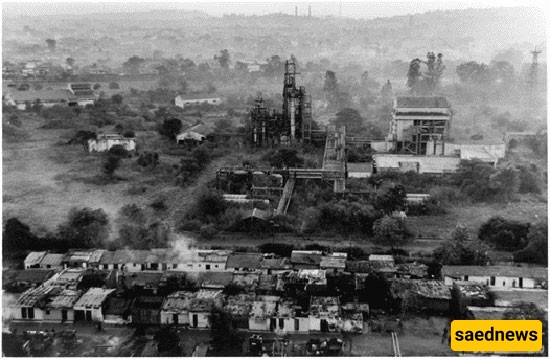
On December 2, 1984, an explosion at a pesticide plant owned by Union Carbide in Bhopal released over 45 tons of methyl isocyanate gas.
The gas spread into surrounding cities, killing around 3,000 people immediately. Total death estimates range from 15,000 to 20,000, with hundreds of thousands more affected.
Toxic waste remained at the site for years, contaminating groundwater and causing long-term health problems. Later investigations found negligence in safety maintenance and operational procedures.
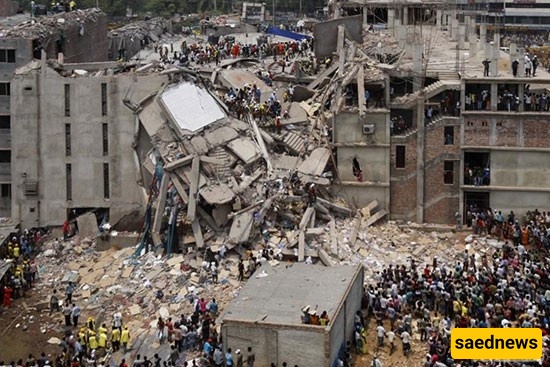
On April 24, 2013, the Rana Plaza building in Dhaka, an eight-story commercial structure housing garment factories, collapsed suddenly.
Cracks had been discovered the day before, and the building had been evacuated, but workers were forced to return under threat of losing wages.
The collapse killed 1,129 people. Rescue operations lasted three weeks.
The disaster highlighted severe issues of unsafe working conditions and labor exploitation in the garment industry. The building owner was arrested and remains in custody on other charges.