SAEDNEWS: In this article, we will introduce you to one of the most beautiful sights in Shiraz, namely Jahan Nama Garden. Stay with us.
According to Saednews, Shiraz is a city that reveals nothing but beauty from every camera lens you point at it. Its attractions, arranged like pieces of a puzzle, come together to create the grandeur and magnificence of this city. One of these pieces is Bagh-e Jahan Nama Garden.
A dreamlike and indescribable garden that enchants every visitor. Bagh-e Jahan Nama in Shiraz is known as the oldest garden in the city. This means that when you step into its space, it feels as if you are traveling through the alleyways of history.
The garden is located just a few steps away from Hafezieh (Tomb of Hafez) in Shiraz, and on its own feels like a poetic expression of nature.
Bagh-e Jahan Nama has existed since the 8th century Hijri (14th century CE). At that time, the garden was located along a flowing water channel, which ensured its continuous prosperity. Throughout the centuries, its trees have remained lush and vibrant, earning it the historical name “Zinat al-Dunya” (Ornament of the World).
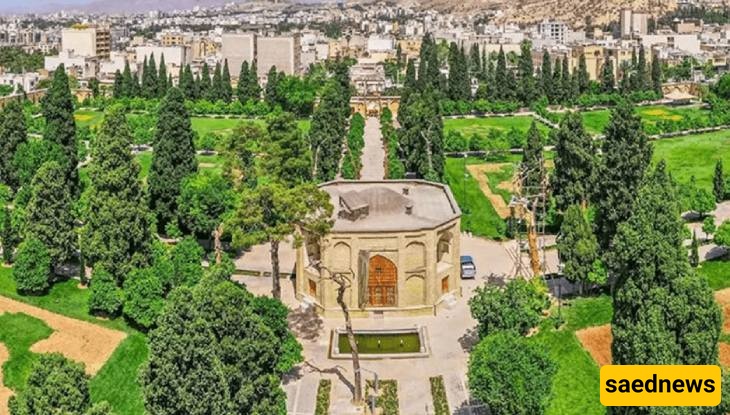
The garden reached its peak grandeur during the reign of Karim Khan Zand. He ordered walls to be built around it and trees to be planted along both sides of the road leading to the garden. The central mansion was also constructed under his order. This building has a polygonal roof and is considered one of the finest examples of architecture of its era.
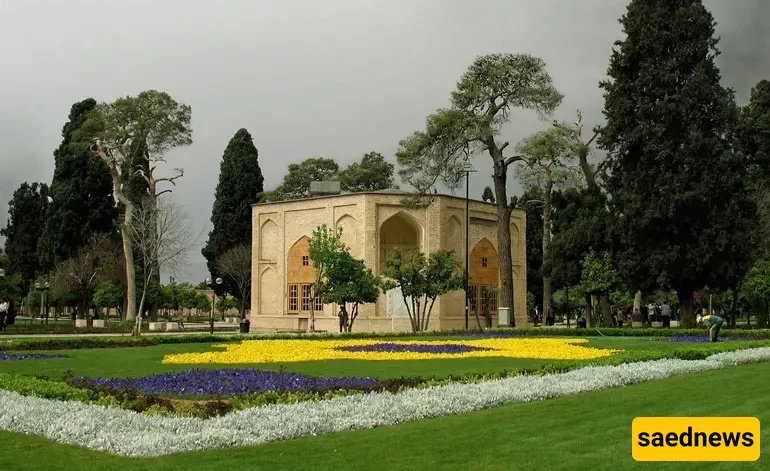
The overall scenery of the garden, with its marble pool and landscaped flowerbeds, is unforgettable. This impression has been recorded by major historians and Iranologists throughout history, with descriptions appearing in many old historical texts.
In general, Persian gardens share key features: a water stream flowing through the garden, a central mansion, and a large pool placed in front of it. Bagh-e Jahan Nama contains all these elements in a harmonious and beautiful way.
A water channel runs through the garden, providing both vitality and visual beauty. The central structure is an eight-sided pavilion surrounded by windows on all sides. In the middle of the courtyard lies a pool with a fountain that has existed since ancient times.
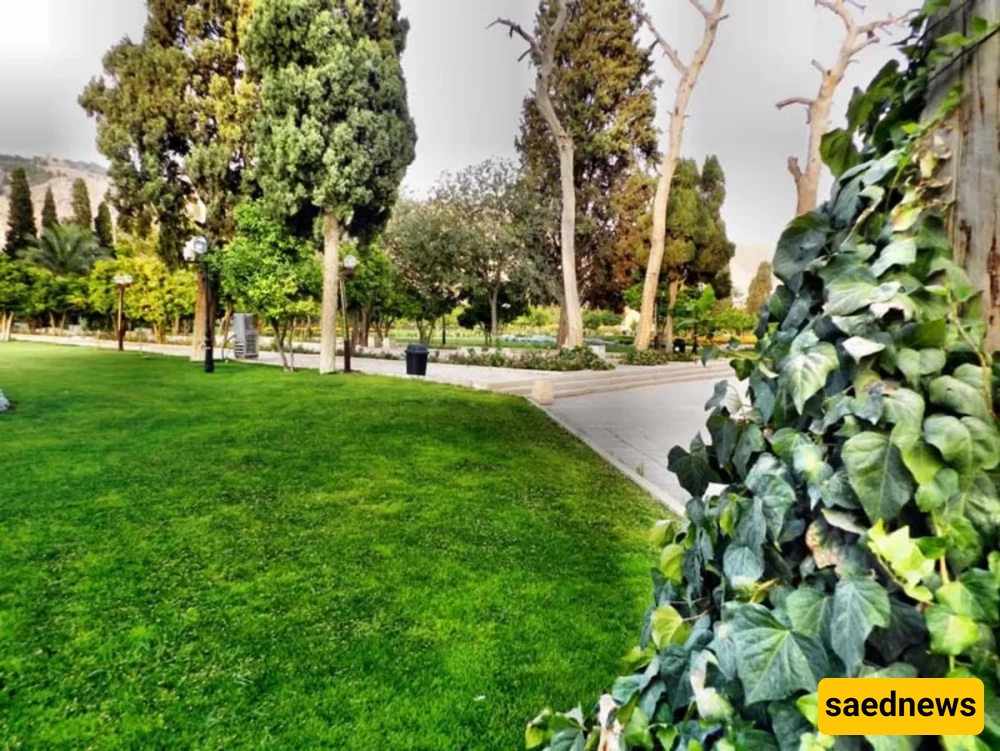
The flowing water, combined with greenery, has preserved the garden’s beauty and vitality over the years.
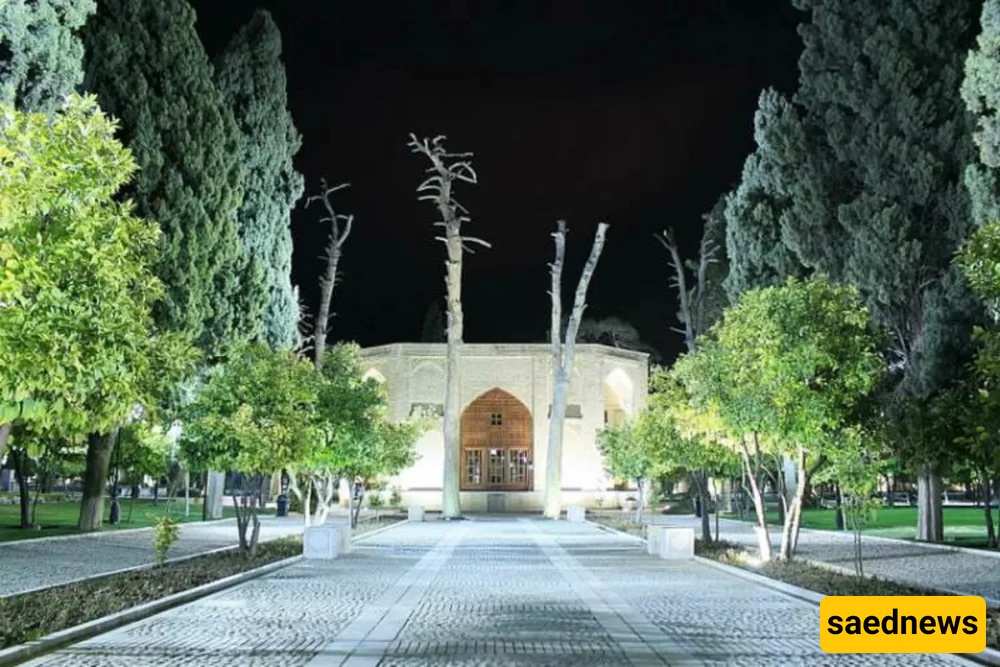
If you want to capture unforgettable scenes of Bagh-e Jahan Nama in your travel memories, spring—especially May—is the best time to visit. During this period, the garden’s flowers bloom spectacularly, creating a mesmerizing atmosphere.
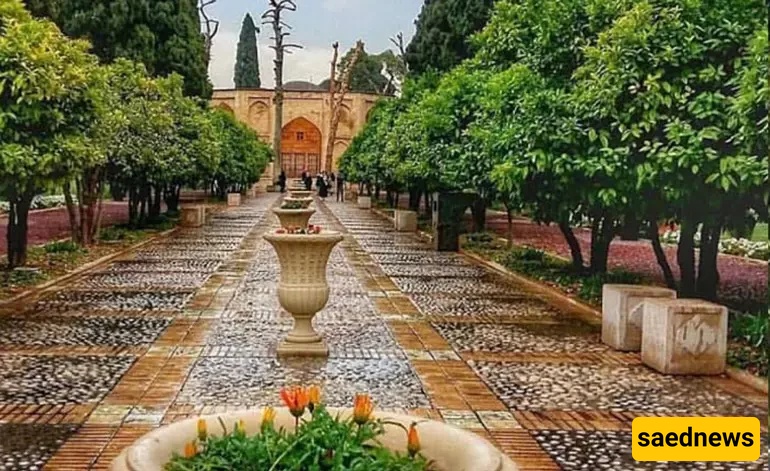
From above, the garden reveals four main pathways lined with cypress and orange trees. One of these paths includes a water channel that extends toward the garden walls, decorated with small fountains that add the soothing sound of flowing water to the natural scenery.
It seems Karim Khan Zand had a special interest in the number eight, as many architectural elements in the garden reflect this number. The most important of these is the central building, also known as the Koushk Pavilion (Kolah Farangi Mansion).
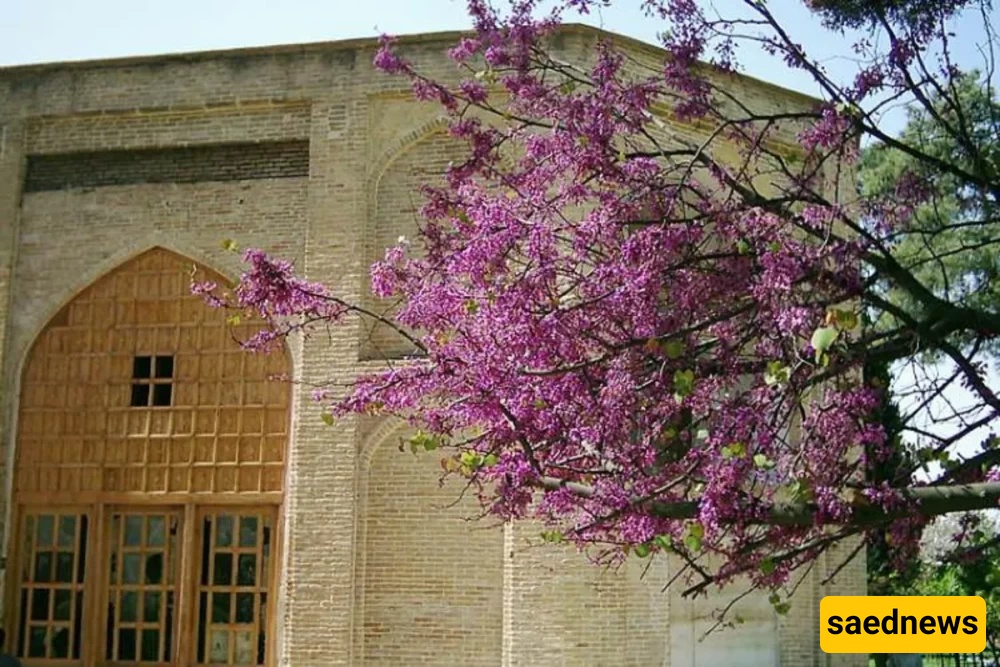
The octagonal roof of this structure has survived through the centuries. Its façade is made of simple brickwork without decoration. However, some experts believe it may have once had tile or stone decorations that were lost over time.
In addition to the octagonal building, there are eight cypress trees planted along the garden’s pathways. The long water channel is divided into eight sections, each featuring eight small fountains.
Since the number eight was considered sacred and a symbol of good fortune in ancient Iran, this repetition is believed to be intentional rather than coincidental.
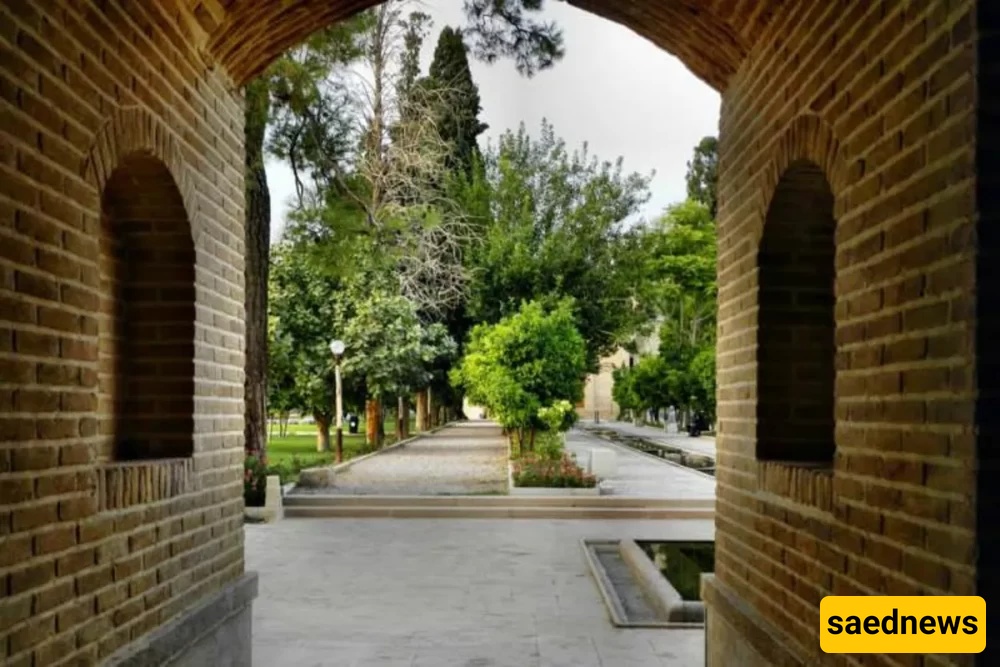
Today, Bagh-e Jahan Nama is under the administration of Shiraz Broadcasting (IRIB), and it may not always be open to the public. Previously, the pavilion or Kolah Farangi mansion functioned as a museum open to visitors.
Handicraft and souvenir shops were also located inside the building, offering handmade jewelry and traditional Shirazi products.
One notable architectural change occurred when wooden windows were replaced with iron ones during restoration by a private owner. Many experts in heritage architecture believe this harmed the visual authenticity of the building, as iron does not align with traditional Persian pavilion design.
The garden is open from 8:30 AM to 8:00 PM during the first six months of the year. These hours may change due to weather conditions in colder seasons.
Two important notes should be considered before visiting:
First, the garden is closed on religious mourning days.
Second, since it may sometimes be under organizational control, visitors are advised to confirm accessibility before visiting.
Haft Tanan Museum – 400 meters (2 minutes)
Salman Mosque – 500 meters (2 minutes)
Jahan Nama Traditional Handicraft Market – 1 km (3 minutes)
Artificial Waterfall of Shiraz – 2.1 km (5 minutes)
Allah Akbar Gorge – 2.2 km (4 minutes)
Tomb of Khwaju Kermani – 2.3 km (6 minutes)
Luna Amusement Park – 2.2 km (7 minutes)
Quran Gate – 2.4 km (7 minutes)
Shiraz Grand Hotel – 1.3 km
Arg Hotel – 1.9 km
Royal Shiraz Hotel – 1.9 km
Zandiyeh Hotel – 3 km
Parseh Hotel – 3.4 km
Karim Khan Hotel – 3.4 km
Forough Hotel – 4 km
Dela Steak House
Haft Khan Restaurant Complex
Bakouyeh Restaurant Complex
Ojaq va Atash Restaurant
Ghavam Café Restaurant
Soofi Traditional Restaurant
Haji Baba Traditional Restaurant
Bagh-e Jahan Nama Garden in Shiraz remains one of the most remarkable and poetic historical gardens in the heart of the city.