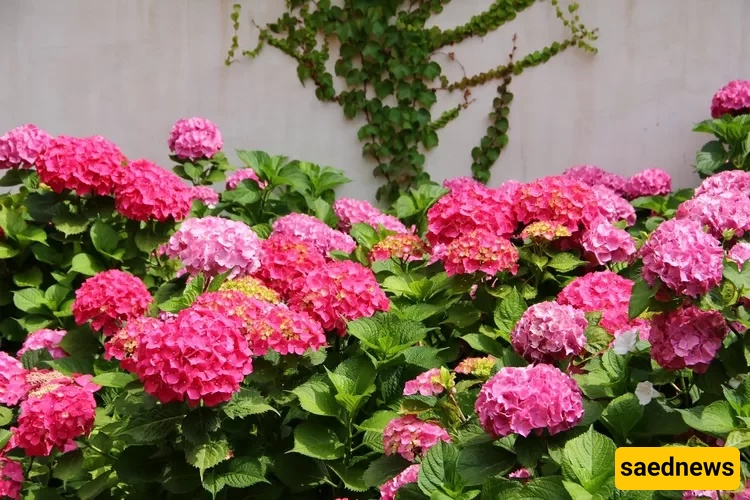
SAEDNEWS: Hydrangea paniculata is one of the most resilient and beautiful types of hydrangea, featuring cone-shaped white and pink flowers, making it an excellent choice for small and home gardens.
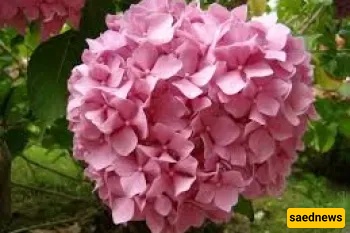
According to Saednews, Hydrangea paniculata is very suitable for small gardens and home landscapes. Its cone-shaped buds develop into dozens of beautiful blossoms that, with their white and pink colors, easily attract attention in any garden.
With its cone-shaped white and pink flowers, Hydrangea paniculata is a resilient and attractive option for small and home gardens, showing high tolerance to sunlight and cold conditions.
If the plant could choose, it would prefer bright locations. However, there is no need for concern if such conditions are not available, as hydrangea can grow well even in partial shade. Hydrangea paniculata is one of the most resistant types of hydrangea to fluctuations in sunlight exposure.
Still, it is recommended to expose it to at least four hours of sunlight daily. Ideally, it should receive six hours or more of sunlight, as this strengthens the stems and encourages flowering. In hotter regions, afternoon shade can also be beneficial. In any case, the plant must receive some direct sunlight each day.
Since Hydrangea paniculata can easily tolerate winter cold, no special winter care is required. However, it is recommended to apply a 5–7 cm layer of mulch around the root zone to protect the plant from frost, snow, and freezing conditions.
Like all newly planted shrubs, paniculata requires regular watering during its first one to two years. Once established, it can survive even in drier conditions, although dry air may reduce flowering. Therefore, consistent watering is important for better blooming.
During the growing seasons (spring and summer), water the plant regularly. In other seasons, water only when the soil becomes dry. In drier weather, watering every two days may be necessary. Ensure proper drainage and avoid waterlogging, as this can cause root rot.
If you notice yellow leaves, first check their position on the plant. Yellowing leaves in the middle section of the plant are usually not a concern and are common in young plants. As the plant grows, upper leaves may become denser and block light from reaching lower leaves.
However, if yellow leaves appear on new growth or lower parts of the plant, this may indicate overwatering or poor drainage. In such cases, adjust the watering schedule and ensure proper soil drainage.