SAEDNEWS: Betta fish, also known as the Siamese fighting fish, is a sensitive and complex creature that suffers within the harsh pet trade industry. In this article, you will learn facts about its life, feeding habits, and its true needs.
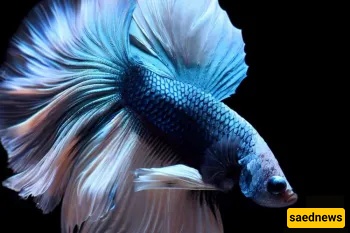
According to Saednews, In the ruthless pet trade, betta fish—also known as “Siamese fighting fish”—are often forced to struggle for survival. This article explains why you may want to avoid buying a betta as a pet, and if you already own one, how to properly care for it.
You may know them by different names, but their scientific name is Betta splendens. These fish are often sensitive and complex creatures that suffer significantly in the commercial pet trade.
Betta fish are native to Asia and live in shallow waters such as swamps, ponds, and slow-moving streams. Male bettas are devoted fathers who build bubble nests with their mouths and carefully protect their young from predators.
Like humans, bettas are diurnal, meaning they are active during the day and sleep at night. They require darkness for proper rest.
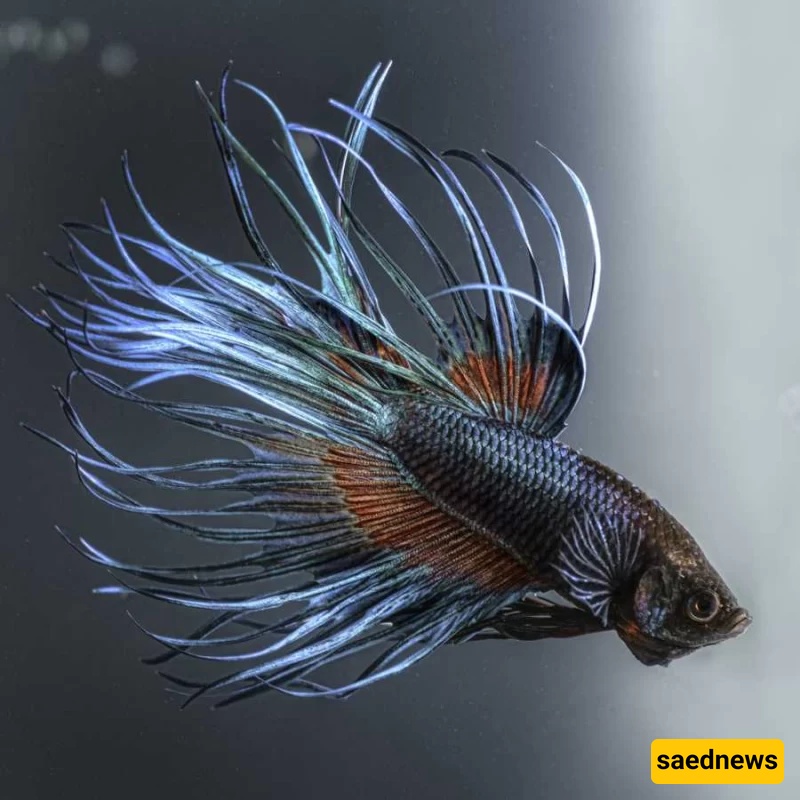
Some bettas are caught from the wild, but the vast majority sold worldwide come from breeding farms in Thailand and other Southeast Asian countries. In these facilities, keeping fish in small containers is common practice. During transport and packaging, they are often placed in small plastic cups or bottles.
This process can cause significant stress and suffering, as from birth in breeding farms to transportation and sale, they often do not receive adequate care.
Plant roots alone are not sufficient food for betta fish. Bettas are carnivorous and naturally feed on insects and insect larvae. A plant-based diet may keep them alive for a while, but it lacks essential nutrients and can eventually lead to illness and death.
Do not overfeed bettas. Excess food and waste in aquariums can raise ammonia and nitrite levels, which are toxic to fish. If you currently keep a betta, feed only an amount it can consume within two to three minutes.
Betta fish can experience stress and behavioral decline. While many can live alone in a tank, their environment still needs enrichment. Caves, plants, and hiding spaces help keep them active and healthy.
They can also experience stress, especially when kept with incompatible fish that may damage their fins or create aggression in the tank.