SAEDNEWS: Aniva Lighthouse is one of Russia’s most historic and unique landmarks, located on the country’s easternmost frontier. Take a virtual tour and discover the beauty of this remarkable attraction.
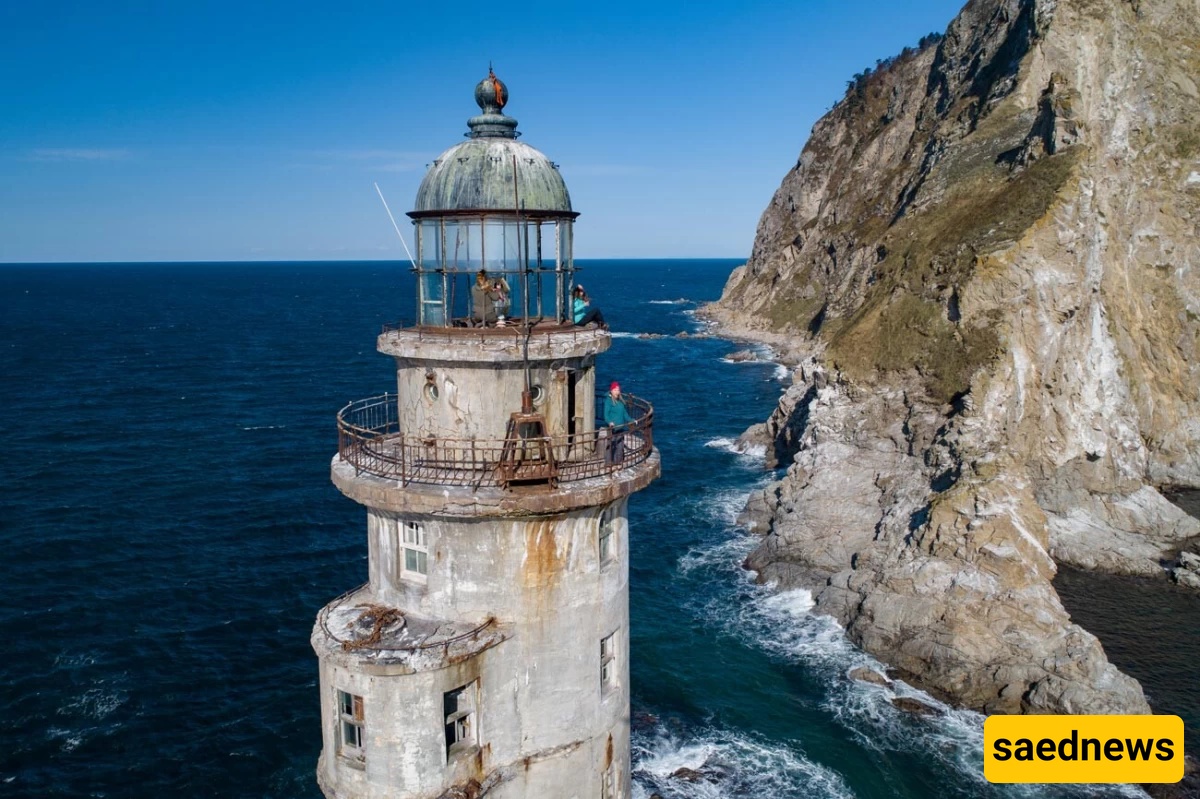
According to Saednews, Sakhalin is the largest island in Russia, stretching approximately 948 kilometers in length and 160 kilometers in width. Located near the country’s far eastern border, it is separated from Japan’s Hokkaido Island by the La Perouse Strait. On the southern coast of Sakhalin stands a remarkable structure known as the Aniva Lighthouse.
This impressive navigational landmark was built in 1939 on the remote and almost inaccessible Sivuchya Rock.
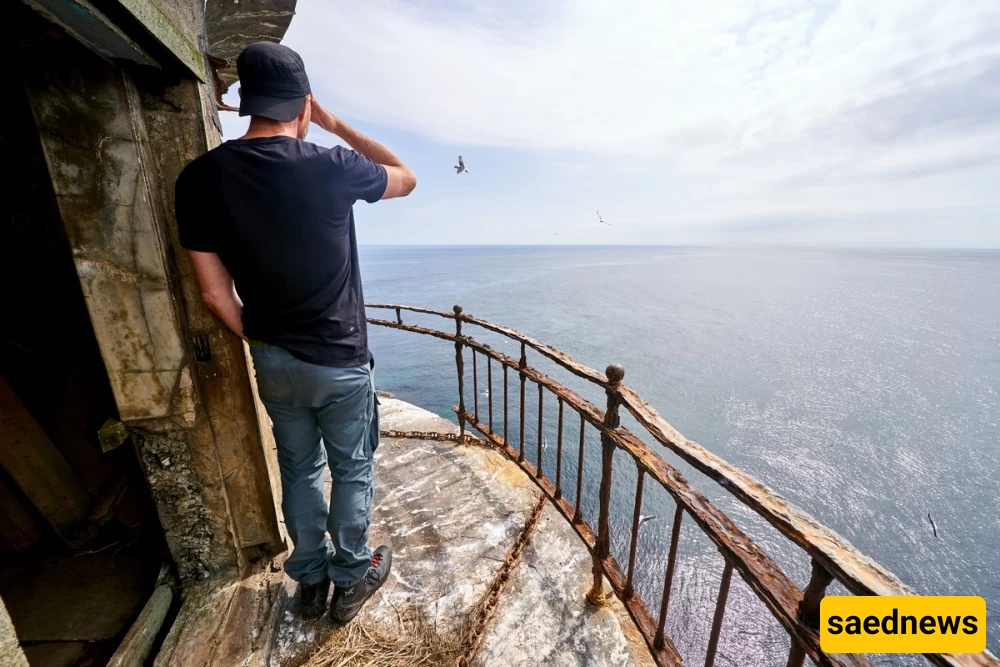
During the first half of the 20th century, the southern part of Sakhalin was under Japanese control. The area was extremely dangerous for ships due to strong ocean currents, dense fog, and exposed underwater rocks, leading to numerous maritime accidents and shipwrecks. Because of these hazards, authorities of Karafuto Prefecture decided to construct a lighthouse in the region.
Designed by Japanese engineer Miura Shinobu, the project became the most technically complex structure ever built on Sakhalin at that time. It was also considered one of the most beautiful lighthouses in the world. Construction materials had to be transported through rough waters, while there was no dock, storage facility, or proper accommodation for the workers.
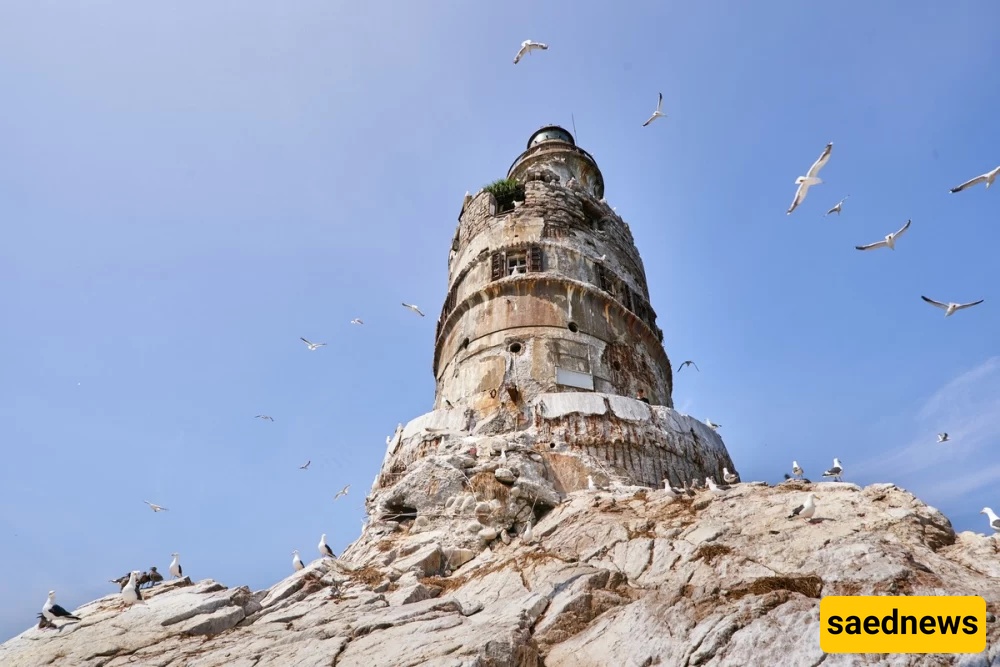
Because of the harsh weather and difficult environmental conditions, completing the lighthouse quickly was considered essential. After the successful completion of the project, a small model of the lighthouse was presented to the Japanese Emperor as a symbol of victory over the forces of nature.
Aniva Lighthouse was equipped with a curved fin structure and a 500-millimeter base lens. The lens, measuring 1,000 millimeters in diameter, could illuminate an area extending up to 28.16 kilometers.
The lower level of the lighthouse contained batteries and diesel engines. The third, fourth, and fifth floors included a kitchen, food storage area, radio room, equipment room, and observation room, providing living facilities for up to 12 people. The sixth floor was used as a storage area, while the two floors above it housed fuel storage mechanisms and a maritime warning siren. The ninth and highest floor contained the rotating mechanism of the lighthouse lens.
The light from Aniva Lighthouse reached up to 40 meters above sea level. The lighthouse mechanism was placed inside a 300-kilogram mercury basin, which functioned like a bearing system. Its rotation was powered by a 270-kilogram weight that had to be manually rewound by the operator every three hours.
In 1990, Aniva Lighthouse was upgraded with modern technology powered by a nuclear energy source, allowing it to operate automatically without human supervision. It remained active until 2006, when its nuclear fuel supply was exhausted. Afterward, valuable equipment was removed from the building, and this historic landmark of Sakhalin was abandoned.
For more than a decade, wind, waves, and other natural forces have slowly damaged the structure. In 2015, the Russian Geographical Society announced plans to restore and preserve Aniva Lighthouse, but the restoration has not yet been completed. However, there have been efforts to transform the lighthouse into one of Sakhalin’s notable tourist attractions.
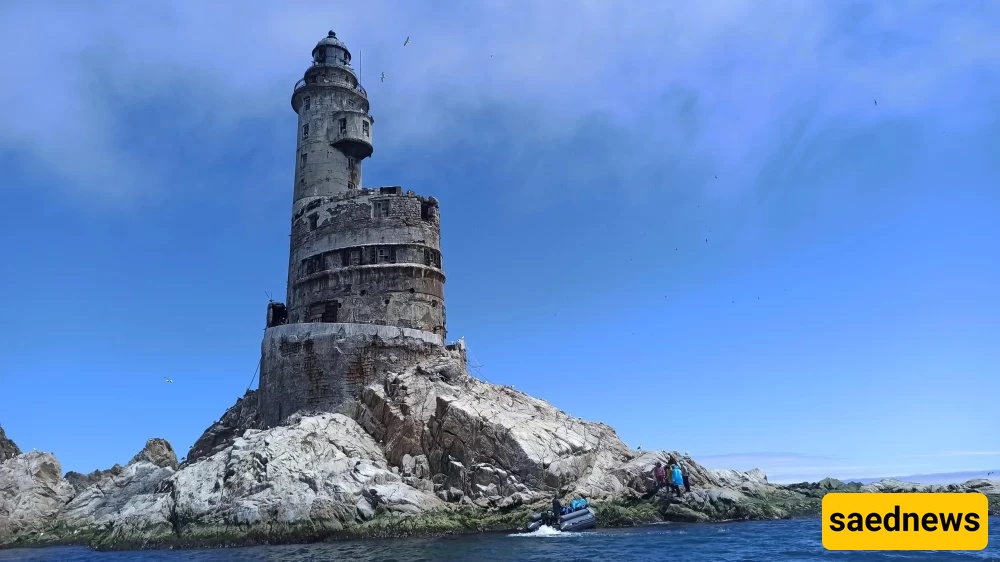
Reaching Aniva Lighthouse is not an easy journey. Visitors must first travel to the village of Novikovo and then continue by motorboat across the rough waters to reach the isolated lighthouse standing on Sivuchya Rock.
Today, Aniva Lighthouse remains a fascinating symbol of engineering achievement, maritime history, and the powerful influence of nature on human creations. Its abandoned appearance has made it one of Russia’s most unique and mysterious coastal landmarks.