SAEDNEWS: Ceramides are essential lipids that help maintain skin moisture and support overall skin health. Their levels decrease with age, and using ceramide-based products can help repair and strengthen the skin’s protective barrier.
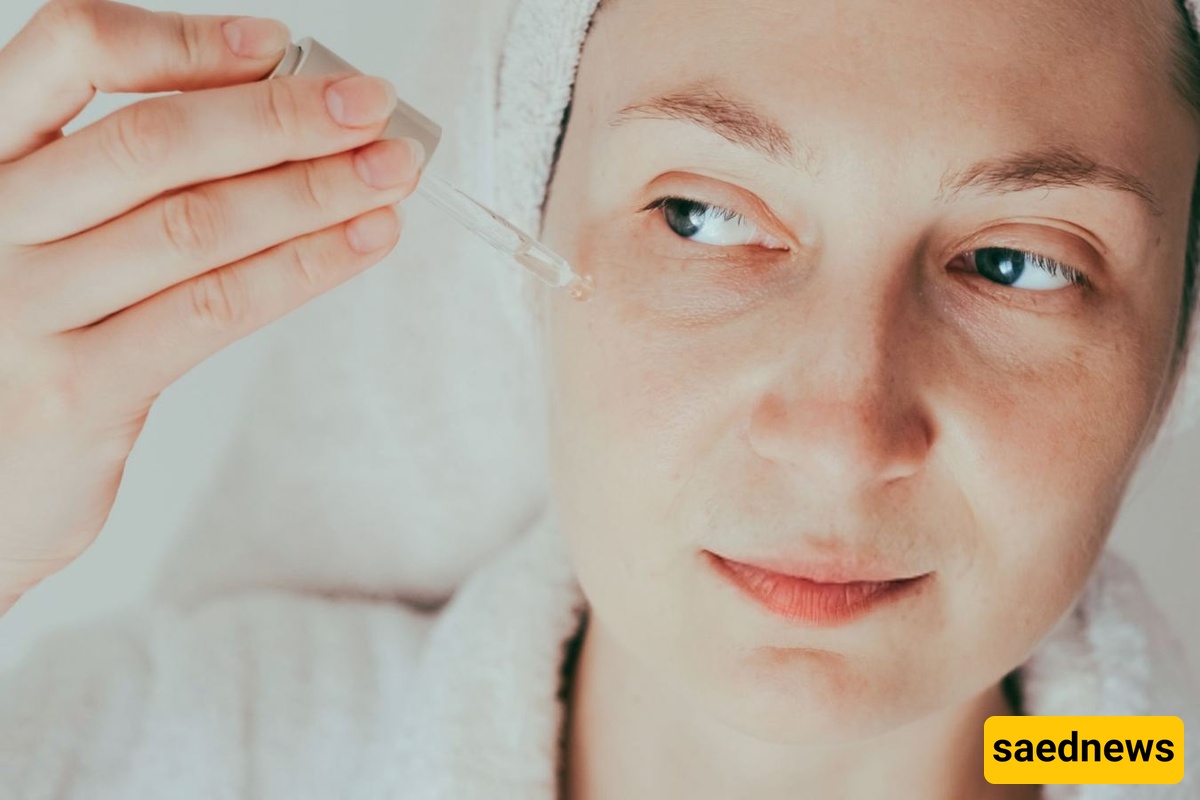
According to Saednews, In the complex world of skincare, countless ingredients play different roles in maintaining skin health and appearance. Among these ingredients, ceramides are considered one of the most essential components for protecting and strengthening the skin’s natural barrier. You may have seen the word “ceramide” listed on moisturizer or anti-aging product labels, but what exactly are ceramides, and how do they benefit your skin?
Ceramides are a group of lipid (fat) molecules made up of a sphingosine molecule and a fatty acid. This unique structure allows them to play a crucial role in maintaining the structure of cell membranes and preserving the integrity of the skin barrier.
To better understand their importance, imagine your skin cells as bricks that form a wall. In this example, ceramides act like the mortar that holds the bricks together, preventing water loss and blocking harmful substances from entering. Without this “mortar,” the wall becomes damaged, dry, and unable to provide proper protection.

Ceramides are naturally produced by the body, but their levels decrease with age and exposure to environmental factors such as sunlight, pollution, harsh cleansers, and certain skin conditions. This reduction is one of the major causes of dry skin, flaking, wrinkles, and increased sensitivity.
More than 12 different types of ceramides have been identified in human skin, each with unique structures and functions. The most common ceramides used in skincare products include:
This is one of the most abundant ceramides found in the skin. It plays an important role in maintaining moisture levels and improving skin flexibility. Ceramide NP is commonly used in moisturizing and anti-aging products.
Ceramide AP is known for its ability to support gentle exfoliation and improve skin softness. It helps enhance skin texture and reduce dryness and flaking.
This ceramide contains a very long fatty acid chain, giving it a unique ability to connect skin cells. Ceramide EOP helps strengthen the skin barrier and prevent moisture loss.
Ceramide NS also plays an important role in maintaining the skin barrier structure and is often combined with other ceramides for improved effectiveness.
Many skincare products contain a combination of several ceramides to create a synergistic effect and provide better results for the skin.
The effects of ceramides on skin health come from several different mechanisms:
The most important function of ceramides is strengthening the skin barrier. By filling the spaces between skin cells, ceramides create a protective layer that:
Prevents excessive water evaporation from the skin surface (reducing TEWL, or transepidermal water loss)
Protects against pollutants, bacteria, viruses, and harmful chemicals
Helps the skin resist environmental stress and temperature changes
Ceramides create a lipid layer that locks moisture inside the skin. This helps the skin remain hydrated, soft, and smooth for longer periods.
Unlike ordinary moisturizers that mainly add water to the skin’s surface, ceramides help prevent moisture from escaping.
Skin with a weakened barrier is more likely to experience irritation, redness, and inflammation. By repairing and strengthening the barrier, ceramides reduce exposure to irritating substances and help calm sensitive skin.
This makes ceramides particularly beneficial for sensitive skin and skin prone to eczema.
By increasing hydration and strengthening the protective barrier, ceramides help the skin appear smoother, softer, and more radiant. They may also reduce the appearance of fine lines and wrinkles because well-hydrated skin is less likely to develop signs of aging.
Ceramides provide a wide range of benefits, including:
By preventing water loss, ceramides help maintain moisture levels in the skin. This allows the skin to stay hydrated for hours and reduces the need for frequent moisturizer application.
People with chronically dry skin often have lower ceramide levels. Using ceramide-containing products can help restore the skin’s lipid balance and reduce dryness, flaking, and cracking.

Clinical studies have shown that ceramide-based creams may help reduce itching, redness, and inflammation associated with eczema (atopic dermatitis) and contact dermatitis.
By repairing the damaged skin barrier, ceramides help prevent irritants from entering the skin and may improve symptoms.
As people age, natural ceramide production decreases. This decline contributes to fine lines, wrinkles, and loss of skin firmness.
Using skincare products containing ceramides can help restore moisture balance and make the skin look healthier and more youthful.
Ceramides create a protective shield against pollution, UV exposure, cigarette smoke, and other environmental stressors. This protection may help prevent premature aging and skin damage.
One of the biggest advantages of ceramides is that they are suitable for almost all skin types, including oily, dry, combination, and sensitive skin.
Ceramides are generally non-comedogenic, meaning they do not clog pores or typically contribute to acne formation.
Ceramides can be beneficial for:
People with dry or dehydrated skin: They help restore moisture and softness.
Individuals with eczema, psoriasis, or rosacea-prone skin: They support barrier repair and help reduce irritation.
People with sensitive skin: They improve resistance against external irritants.
Older adults: Ceramide levels naturally decline with age, making supplementation through skincare useful.
People using strong exfoliating or acne treatments: These products can weaken the skin barrier, and ceramides help restore it.
Anyone interested in preventive skincare: Even healthy skin can benefit from ceramides to maintain resilience and reduce environmental damage.
To get the best results from ceramide products, consider these guidelines:
Look for products containing ceramides such as:
Ceramide NP
Ceramide AP
Ceramide EOP
Ceramide NS
Products that also contain cholesterol and fatty acids may work even better because these three components naturally work together to build and repair the skin barrier.
Ceramides are commonly found in moisturizers and lotions. A typical skincare order is:
Cleanse the face
Apply toner (optional)
Use hydrating serums (such as hyaluronic acid)
Apply a ceramide-containing cream or lotion
Apply sunscreen during the daytime
Ceramide products can be used both morning and night. Applying them consistently twice daily usually provides the best results.
Ceramides are compatible with most skincare ingredients. Effective combinations include:
Hyaluronic acid: For enhanced hydration
Niacinamide: For additional barrier support
Peptides: For anti-aging benefits
Antioxidants (Vitamin C and Vitamin E): For protection against free radicals
Like many skincare ingredients, ceramides require regular use to show noticeable results. Improvements are generally visible after approximately 2 to 4 weeks of consistent application.