SAEDNEWS: The Abu Zeydabad Desert is located in Isfahan Province and is considered one of the most famous deserts in the central desert region of Iran.
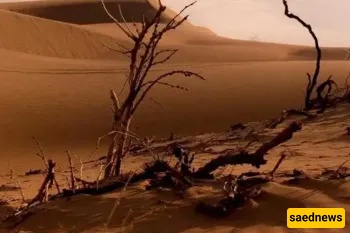
According to Saednews, In the south of Isfahan lies a village called Abu Zeydabad, and for this reason the desert is known by the same name. The Abu Zeydabad Desert is one of the most famous desert landscapes located in central Iran, and most people who travel there are fans of off-road recreation and dune-driving enthusiasts who enjoy driving on steep sand slopes. This is because the Abu Zeydabad Desert has many exciting dunes and slopes. Right next to the desert, the village of Abu Zeydabad is also an attractive destination with many scenic spots for travelers and tourists.
In addition to its sights, the village is home to unique people who, with their distinctive culture, warmly welcome guests and visitors. The local dialect spoken in Abu Zeydabad is called “Bidviy.” In their dialect, the name of the region is also “Bidviy.” This word is originally made up of two parts, “Bi” and “Dovi,” which roughly means “the scent of the settlement.”
In the southeast of Kashan and north of Isfahan, the Abu Zeydabad Desert and village are located. From the north, this desert connects to the Maranjab and Mesr deserts, and from the west it leads to the city of Kashan. From the east it reaches Balarud, and from the south it extends toward Isfahan and Natanz.
Like the Maranjab and Mesr deserts, Abu Zeydabad has extremely hot weather, so summer is absolutely not a suitable time to visit. It also has very dry and intensely cold winters, so travel is not recommended in those seasons either. However, autumn and spring are the best times to visit the Paper Desert, allowing travelers to fully enjoy desert touring during these seasons.
Generally, there are two main routes to reach the Abu Zeydabad Desert from the east and west of the country.
From the eastern, southern, and southeastern regions, you must first reach the city of Nain in Isfahan Province. Northwest of Nain, you will reach the Nain–Kashan road. After traveling about 185 kilometers, you will see an exit that leads to Shahid Beheshti Boulevard. At the end of this boulevard, you will arrive at the village of Abu Zeydabad.
From the northern and northwestern regions, you should first reach Kashan. Then, southeast of Kashan, you will find a road leading to Abu Zeydabad village. This route ultimately takes you to the Abu Zeydabad Desert.
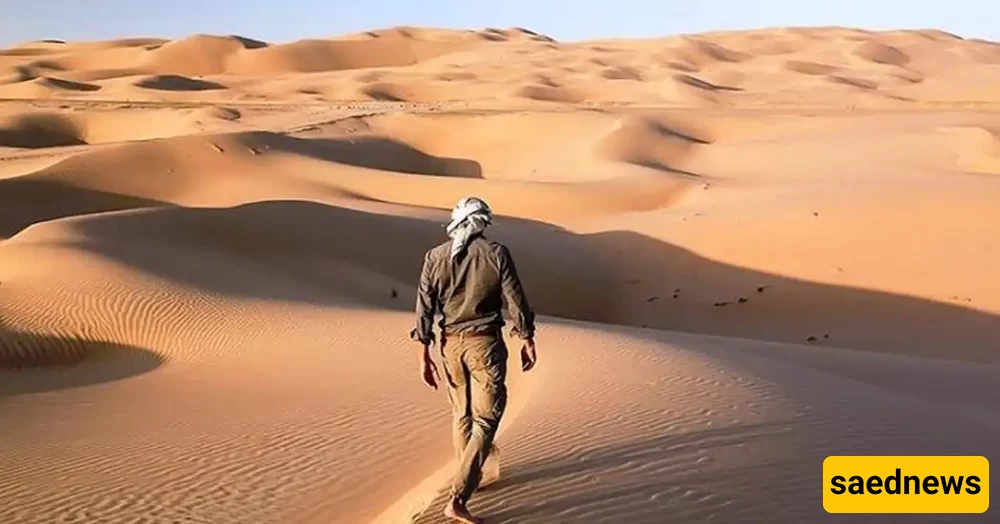
The distance from Tehran to this desert is important for desert travelers, as many desert tours depart from Tehran. On average, the route from Tehran to Abu Zeydabad is about 280 kilometers, taking around 3 hours.
The distance from Kashan to Abu Zeydabad Desert is about 50 kilometers. There are two access routes from Kashan to the village—one from the east and one from the southeast.
If you plan to travel from Isfahan, note that this desert is located to the north of the city and is one of the closest deserts to Isfahan. The distance is about 200 kilometers, and there are two routes.
The first and shorter route is via the East Isfahan bypass highway (Maallem Highway).
The second route is via the Ardestan road, which is longer. You enter the Isfahan–Ardestan road and after about 200 kilometers reach the Abu Zeydabad road. The journey takes about 3 hours.
Among the activities available in the Paper Desert are off-road tours, safari driving, sandboarding, and motorbiking.
You can also travel with your own vehicle or visit rural recreational areas and off-road camps in the village. Interestingly, there are many off-road camps in Abu Zeydabad, such as Kinoog Desert Off-Road Camp, Siazgah Camp, Royal Camp, and several others.
Most desert tours to Abu Zeydabad transport visitors by bus to the village near the desert, where activities such as desert walking, camel riding, and safaris are available. Other activities usually require additional fees.
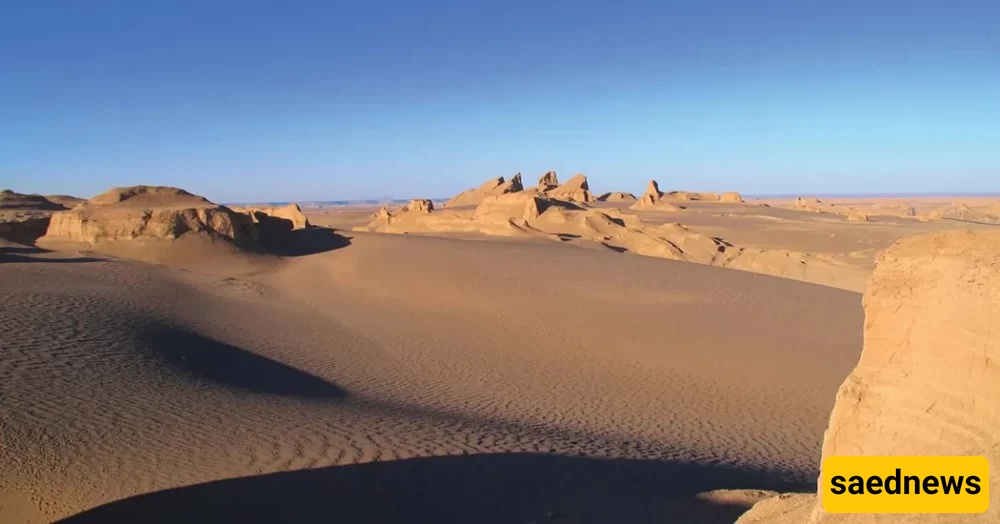
In general, there are two options for staying in the desert:
The first is camping under the starry desert sky, enjoying its beauty while dealing with its challenges—especially the lack of bathrooms and showers.
The second option, preferred by most travelers, is staying in eco-lodges. These offer a traditional lifestyle experience in the heart of the desert. The eco-lodges around Abu Zeydabad are well-equipped, allowing visitors to stay comfortably during their trip.
Modern life has made us dependent on technology and mobile phones, but in the desert there are no urban luxuries. You will likely carry a power bank—make sure it is fully charged before entering desert areas.
Some experienced desert travelers advise that if you are traveling with a personal vehicle, you should never rely on the car battery for lighting or electricity. If the battery or alternator fails, getting help in a remote, signal-less desert is very unlikely.
Essential items include a backpack, comfortable chair, walking shoes, sunscreen, sunglasses, first-aid kit, chocolate, sugary snacks, hat, mobile phone, camera, walking stick, cash, and insect repellent.
Proper clothing is also very important. Many first-time visitors assume deserts are only hot and wear light or short-sleeved clothes. However, constant winds carry sand, which can enter your skin and cause irritation. Long-sleeved clothing is recommended.
Insects can also be a problem, making short sleeves unsuitable for desert travel.
You should also carry a compass, map, and GPS device, and ideally travel with someone experienced in desert journeys. It is also recommended to have knowledge of desert wildlife such as foxes, snakes, scorpions, and desert rabbits. If camping at night, make sure your tent is properly sealed.
Finally, walking in the desert is a unique experience, but moving on sand dunes requires more effort than walking on flat ground. You will tire more quickly.
The best time for walking in the desert is from 4 p.m. until before 10 a.m. the next day, when the weather is cooler and more pleasant.