SAEDNEWS: The country is also a global hub for medical tourism, especially for heart surgery, cancer treatment, and transplants, due to high-quality doctors and lower costs. However, rural areas still face challenges in access and infrastructure.
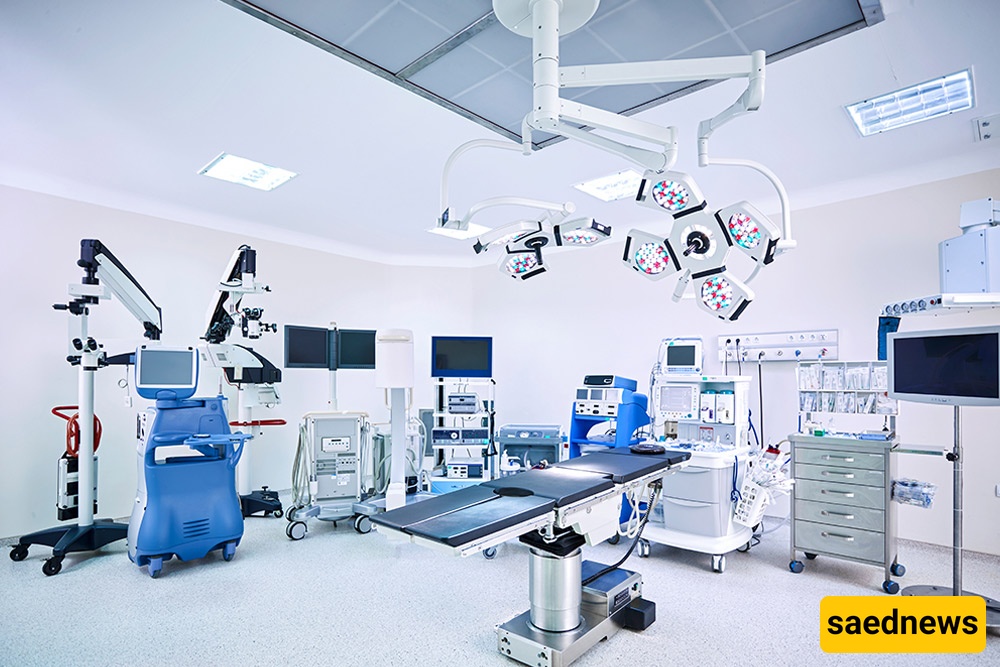
According to Saednews, India has one of the most complex and rapidly evolving healthcare systems in the world. It combines world-class private hospitals, a vast public healthcare network, and a fast-growing medical technology sector. While major cities offer advanced treatments comparable to global standards, rural areas still face significant challenges in access and infrastructure.
India’s healthcare system operates on two parallel pillars: public healthcare and private healthcare.
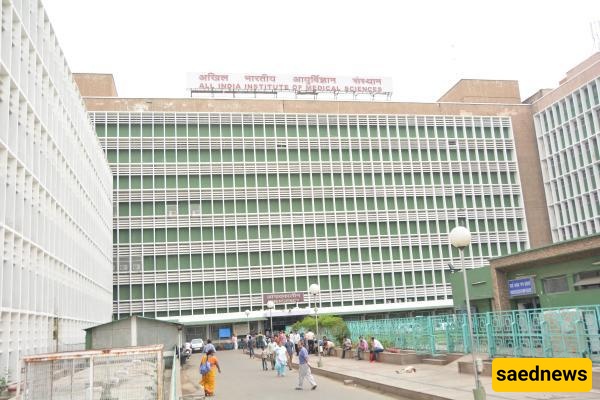
The public system is funded by the government and includes primary health centers, district hospitals, and major teaching hospitals. One of the most prominent institutions is the All India Institute of Medical Sciences (AIIMS) in New Delhi, which serves as a leading center for medical education, research, and highly specialized treatment. AIIMS is widely regarded as a symbol of advanced public healthcare in India.
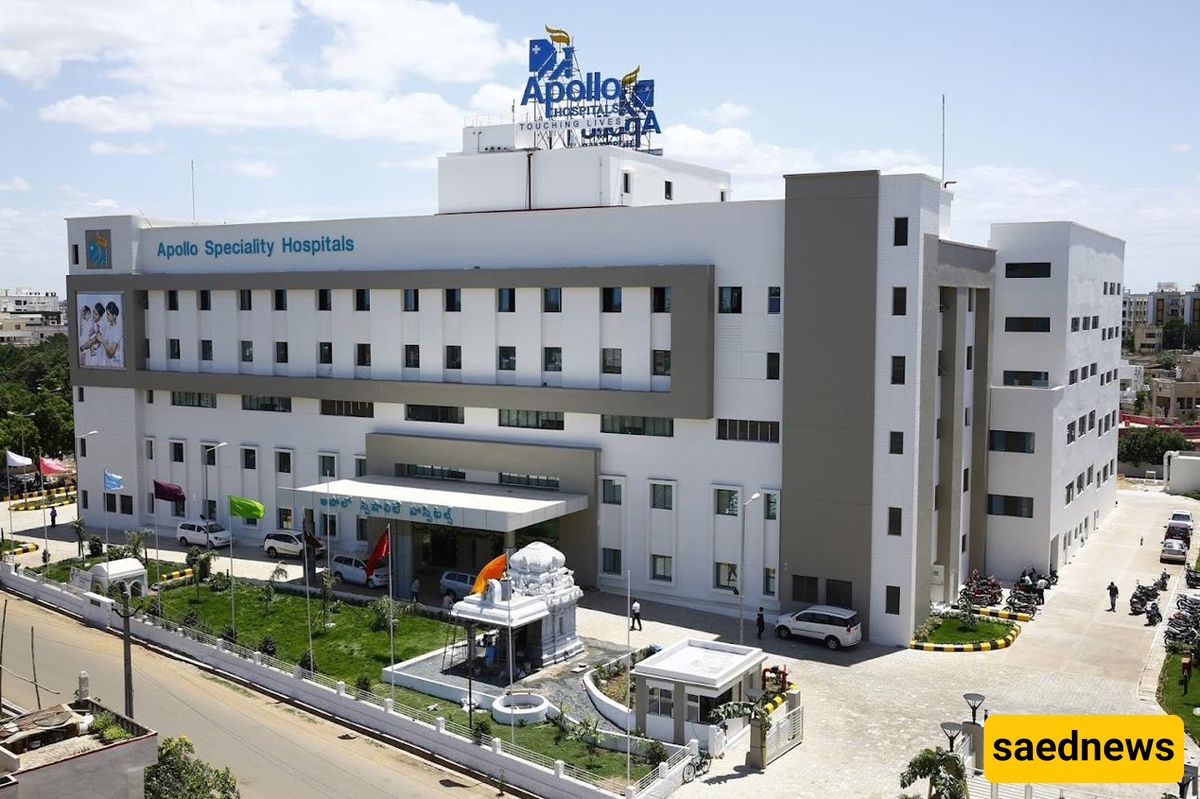
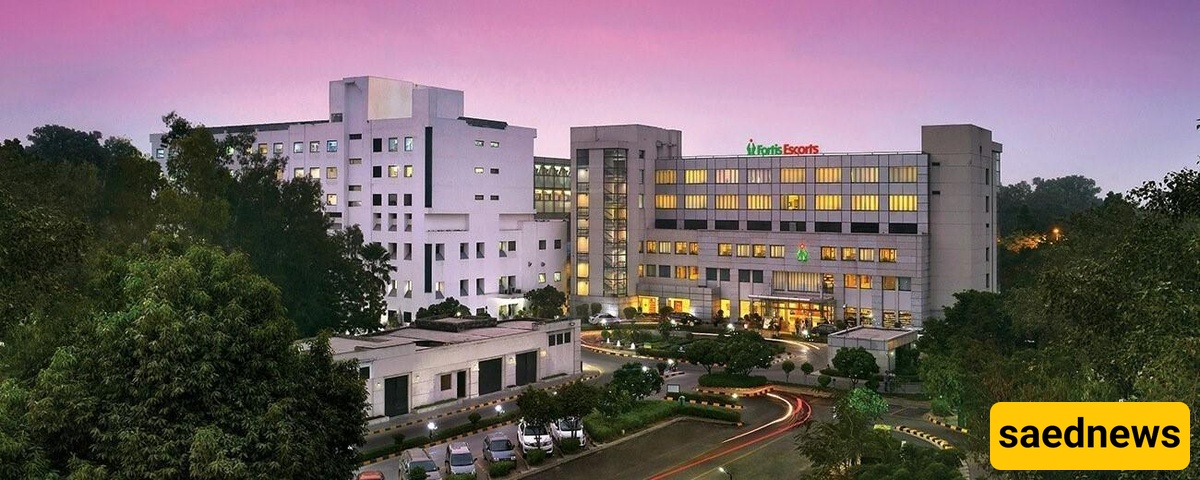
Alongside it, India’s private healthcare sector has grown rapidly over the past few decades. Large hospital chains such as Apollo Hospitals and Fortis Healthcare have introduced modern infrastructure, advanced diagnostics, and internationally trained specialists across major cities.
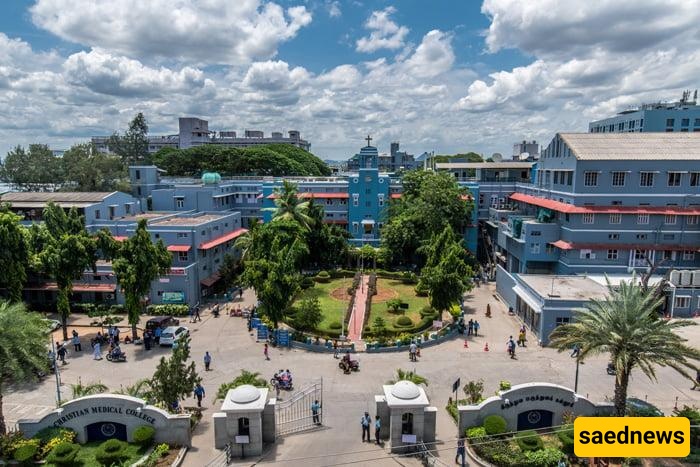
India is home to several globally recognized hospitals that attract both domestic and international patients:
All India Institute of Medical Sciences (AIIMS) – Known for affordability and excellence in research and treatment.
Christian Medical College Vellore – A top-ranked institution known for high-quality care and medical education.
Apollo Hospitals – One of India’s largest private healthcare networks, offering advanced multi-specialty services.
Fortis Healthcare – A major private hospital chain specializing in cardiology, neurology, and critical care.
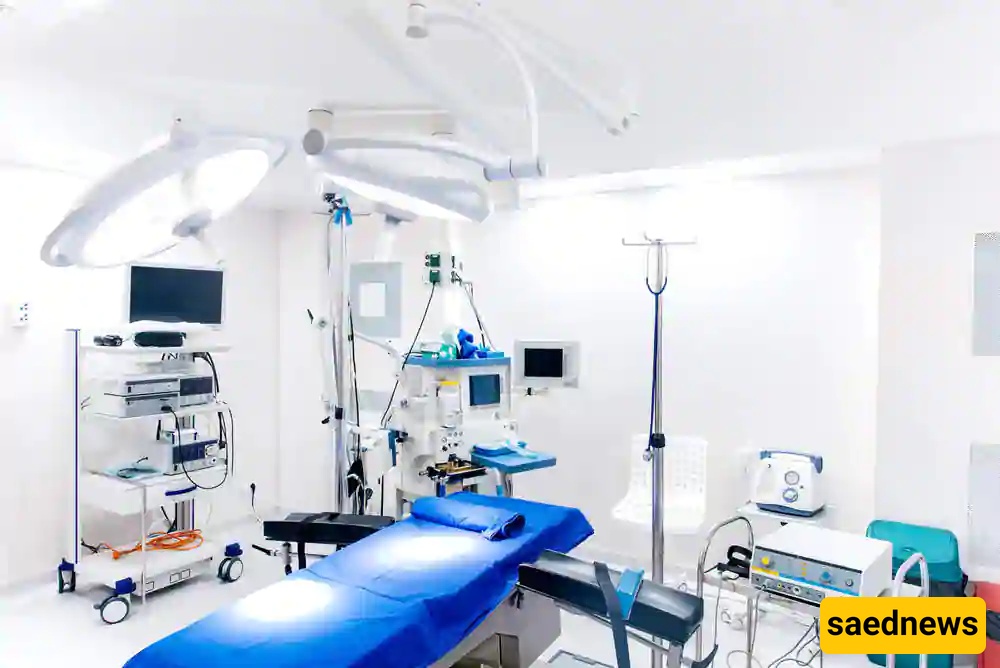
These hospitals are equipped with modern technology such as robotic surgery systems, advanced imaging tools, and specialized intensive care units.
India has become a major global destination for medical tourism. Patients from Africa, the Middle East, Europe, and Southeast Asia travel to India for affordable yet high-quality treatments.
Common procedures include:
Cardiac surgery
Orthopedic surgery
Organ transplants
Fertility treatments
Cancer care
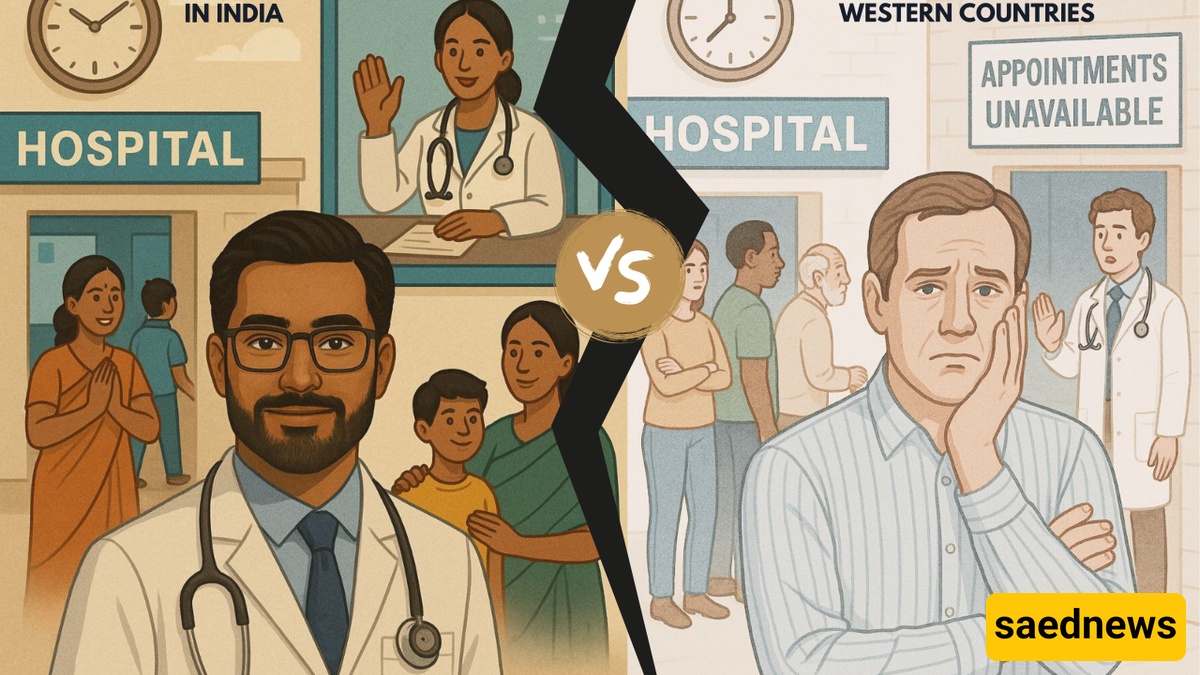
The cost of treatment in India is often significantly lower than in Western countries, sometimes by 60–80%, while maintaining high standards in many private hospitals.
India’s healthcare system offers several key advantages:
1. Highly skilled doctors
India produces a large number of medical professionals every year, many of whom are trained in leading global institutions.
2. Advanced private hospitals
Major cities like Delhi, Mumbai, Bangalore, and Chennai have hospitals with cutting-edge medical technology.
3. Affordable treatment options
Compared to many countries, India provides cost-effective healthcare, especially in the private sector.
4. Strong pharmaceutical industry
India is one of the largest producers of generic medicines globally, making treatments more affordable.
Despite its strengths, India’s healthcare system faces significant challenges:
Uneven access: Rural areas often lack hospitals, specialists, and emergency care facilities.
Overcrowding in public hospitals: Government hospitals frequently operate beyond capacity.
Healthcare inequality: There is a wide gap between urban private care and rural public services.
Infrastructure limitations: Some regions still struggle with outdated equipment and limited medical staff.
India’s healthcare sector is rapidly modernizing. Telemedicine, AI-powered diagnostics, and digital health records are expanding access to care, especially in remote areas. Government initiatives are also focusing on improving insurance coverage and building new medical institutions.
Hospitals are increasingly adopting robotic surgery, precision medicine, and advanced cancer treatments, placing India among the emerging global leaders in medical innovation.
India’s hospital and medical system represents a unique blend of tradition, innovation, accessibility, and inequality. While elite hospitals in major cities compete with global standards, the country continues to work toward improving healthcare access for its vast rural population. With ongoing investment and technological growth, India’s healthcare future is moving toward greater efficiency, affordability, and reach.