SAEDNEWS: A Complete Guide to the Benefits of Potatoes for Children: Key Nutrients, Healthy Ways to Eat Them, and Essential Safety Tips
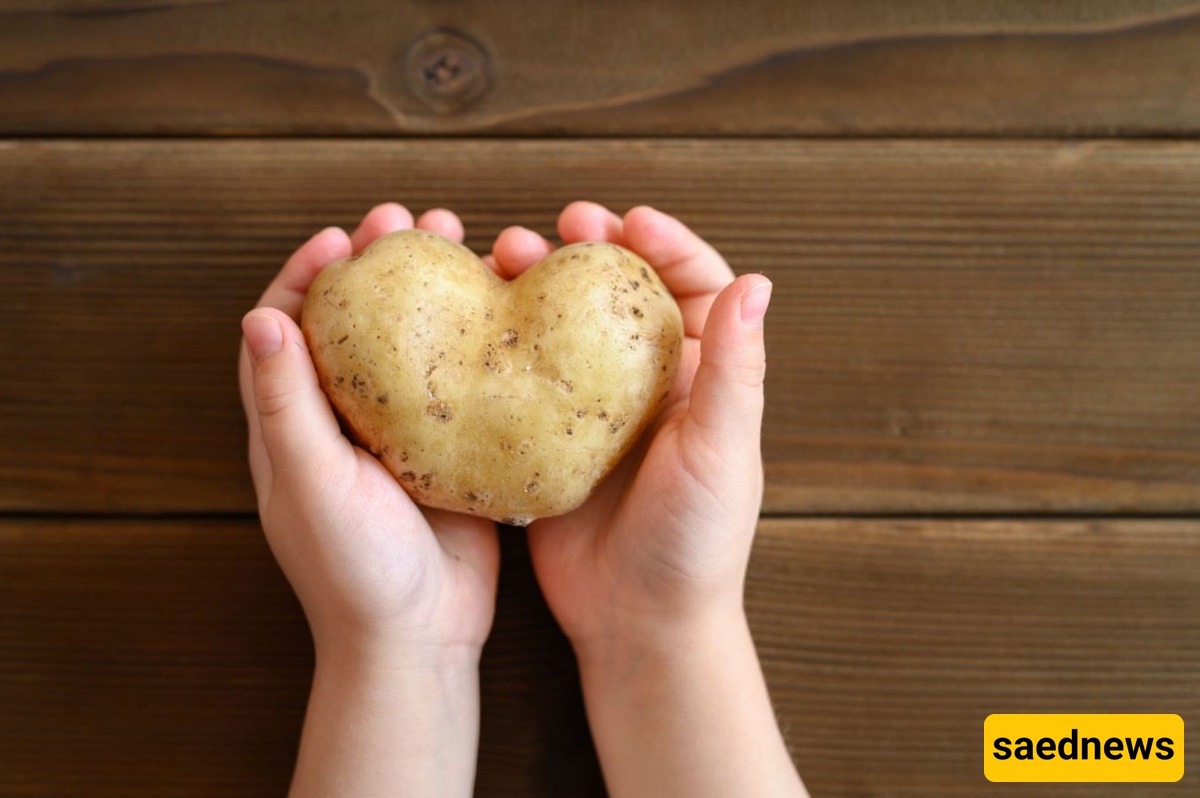
According to Saednews, Potatoes are among the most widely consumed foods worldwide. Their mild flavor, affordability, and versatility make them a popular choice for family meals. Many parents wonder whether potatoes are healthy for children and how they contribute to their growth and overall well-being.
The good news is that potatoes can be a valuable part of a child's diet when prepared properly and eaten in moderation. They provide complex carbohydrates, fiber, vitamin C, potassium, and several B vitamins. These nutrients help supply the energy children need for playing, learning, and growing.
However, as with any food, preparation methods, portion sizes, and a child's individual needs are important. This article explores the nutritional benefits of potatoes for children, their key nutrients, the healthiest ways to prepare them, and important safety considerations.

Potatoes are starchy tubers that originate from a plant native to South America. They are a good source of dietary energy and develop a soft texture when cooked, making them suitable for toddlers and even older children who have difficulty chewing certain foods.
Potatoes can be included alongside protein sources, vegetables, and healthy fats to create balanced and nutritious meals.
However, potatoes are not a complete food on their own. Children need a varied diet to support healthy development. Their nutritional benefits are best enjoyed as part of a balanced eating plan.
It is also important to avoid green, sprouted, or heavily discolored potatoes, as they may contain potentially harmful compounds.
Growing children need sufficient energy for physical activity, play, learning, and the development of body tissues. Potatoes contain carbohydrates, which are the body's primary source of energy.
The carbohydrates in potatoes can provide sustained energy compared with foods containing large amounts of simple sugars. This can be particularly beneficial for active children and those going through important growth stages.
However, eating more calories does not necessarily mean better growth. Potatoes should be served in appropriate portions and combined with protein-rich foods such as eggs, yogurt, chicken, or legumes to support balanced nutrition.
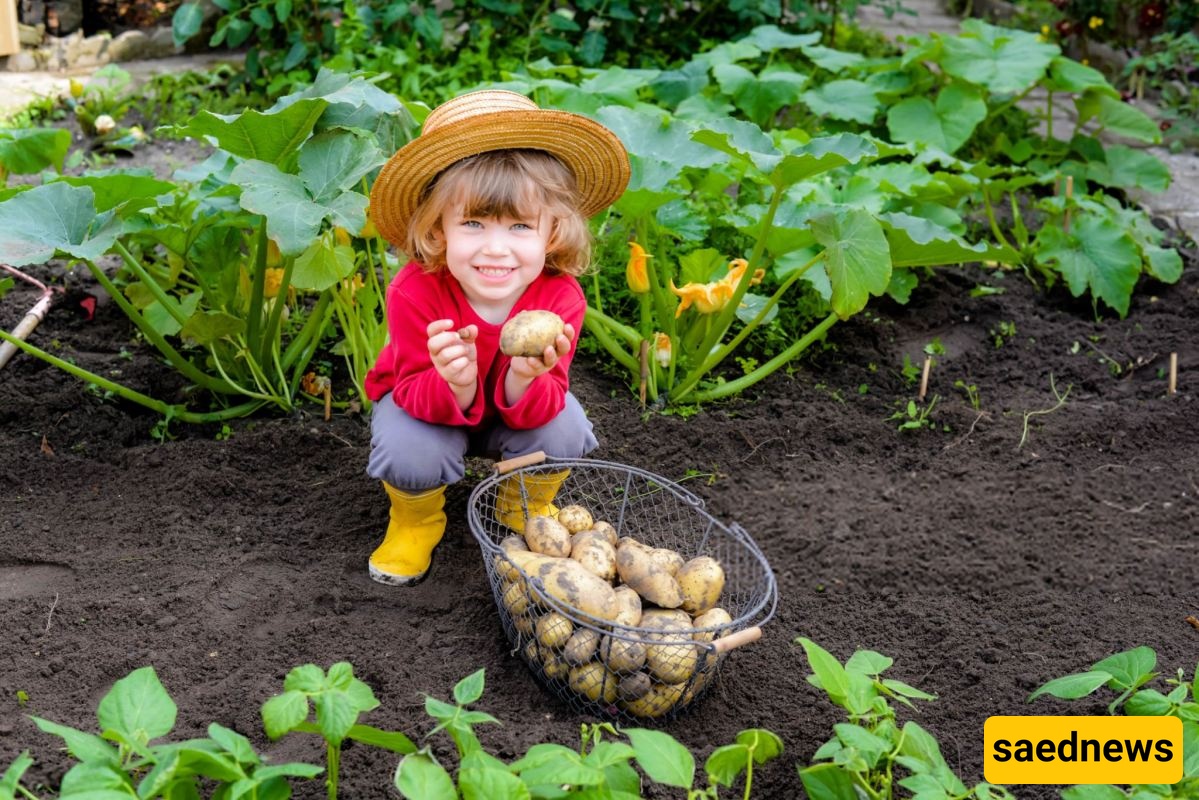
Potatoes contain dietary fiber, particularly when cooked and eaten with their skin. Fiber helps increase stool bulk and supports regular bowel movements, potentially reducing the risk of constipation, a common concern among children.
Adequate water intake, along with fruits and vegetables, is also essential for maintaining healthy digestion.
Boiled and mashed potatoes are generally easy to digest and can be a gentle food option for children who have difficulty tolerating heavier meals.
On the other hand, excessive consumption of French fries and processed potato products such as chips is not recommended because of their high fat and sodium content.
Fresh potatoes contain vitamin C, especially when prepared using healthy cooking methods such as steaming or boiling.
Vitamin C plays several important roles in children's health, including:
Supporting normal immune system function.
Improving the absorption of iron from plant-based foods.
Maintaining healthy skin and gums.
Supporting tissue repair and collagen production.
Children who attend school or daycare frequently interact with others, increasing their exposure to common infections. Getting enough vitamin C as part of a balanced diet helps support normal immune function.
Keep in mind that prolonged cooking and exposure to air can reduce vitamin C levels. Steaming potatoes or boiling them with their skins on for a shorter period can help preserve more of this nutrient.
Potatoes contain vitamin B6, a nutrient involved in normal nervous system function and the production of certain neurotransmitters.
Their carbohydrate content also provides glucose, which is an important energy source for the brain.
During childhood, the brain requires a consistent supply of energy to support everyday activities, concentration, and learning. Balanced meals containing nutritious carbohydrate sources can contribute to meeting these energy needs.
Nevertheless, potatoes alone cannot improve intelligence or guarantee better concentration. Children's brain development depends on many factors, including a varied diet, adequate sleep, physical activity, and a supportive learning environment.

Potatoes are a good source of potassium, an essential mineral that supports:
Normal muscle function.
Fluid balance in the body.
Healthy nerve signaling.
Normal heart function.
Adequate potassium intake also helps balance the effects of sodium in the diet.
However, heavily salted potato products, such as chips and French fries, can add excessive sodium. For children to benefit from potatoes, healthier preparation methods with little or no added salt are preferable.
Vitamin C in potatoes contributes to collagen production. Collagen is an important protein that helps maintain healthy skin, gums, and connective tissues.
Active children may occasionally experience minor cuts and scratches while playing. Getting enough essential nutrients, including vitamin C, supports the body's natural tissue repair processes.
Some potato varieties, particularly purple potatoes, also contain antioxidants that help protect cells against oxidative damage.
Cooked potatoes contain water and fiber, which can help children feel satisfied after meals.
Including potatoes in balanced lunches and dinners may help reduce unnecessary snacking and encourage regular eating habits.
This does not mean children should follow restrictive weight-loss diets. Instead, the goal should be to develop healthy eating patterns and limit excessive consumption of highly processed, calorie-dense snacks.
Serving potatoes with vegetables and protein creates a satisfying meal that provides a wider range of nutrients.
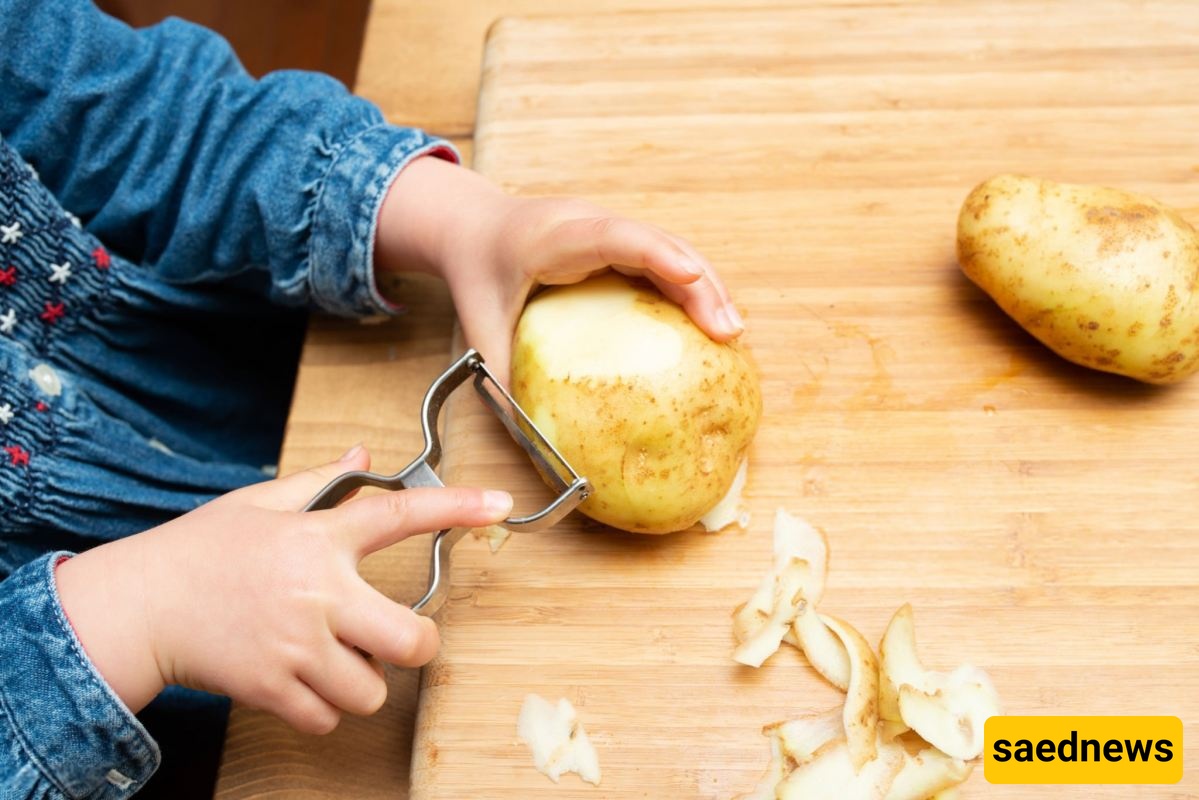
Potatoes provide several nutrients that contribute to children's overall health.
Carbohydrates: Supply energy for growth and daily activities.
Dietary fiber: Supports digestion and regular bowel movements.
Vitamin C: Supports immune function, collagen production, and iron absorption.
Potassium: Helps maintain fluid balance and normal muscle function.
Vitamin B6: Contributes to nervous system function.
Magnesium: Supports normal muscle and nerve function.
Iron: Potatoes provide small amounts of this essential mineral.
Antioxidants: Help protect cells from oxidative stress, particularly in colored potato varieties.
Although potatoes offer several nutritional benefits, they cannot meet all of a child's dietary requirements. Protein and healthy fats, for example, must come from other food sources.
A diverse diet remains essential for healthy childhood development.
The appropriate preparation and serving style depend on a child's age, chewing ability, and developmental stage.
Potatoes should be thoroughly cooked until soft and mashed or prepared in an age-appropriate texture.
When introducing potatoes during complementary feeding:
Start with small portions.
Avoid adding salt.
Introduce seasonings gradually and appropriately.
Make sure the texture matches the baby's developmental abilities.
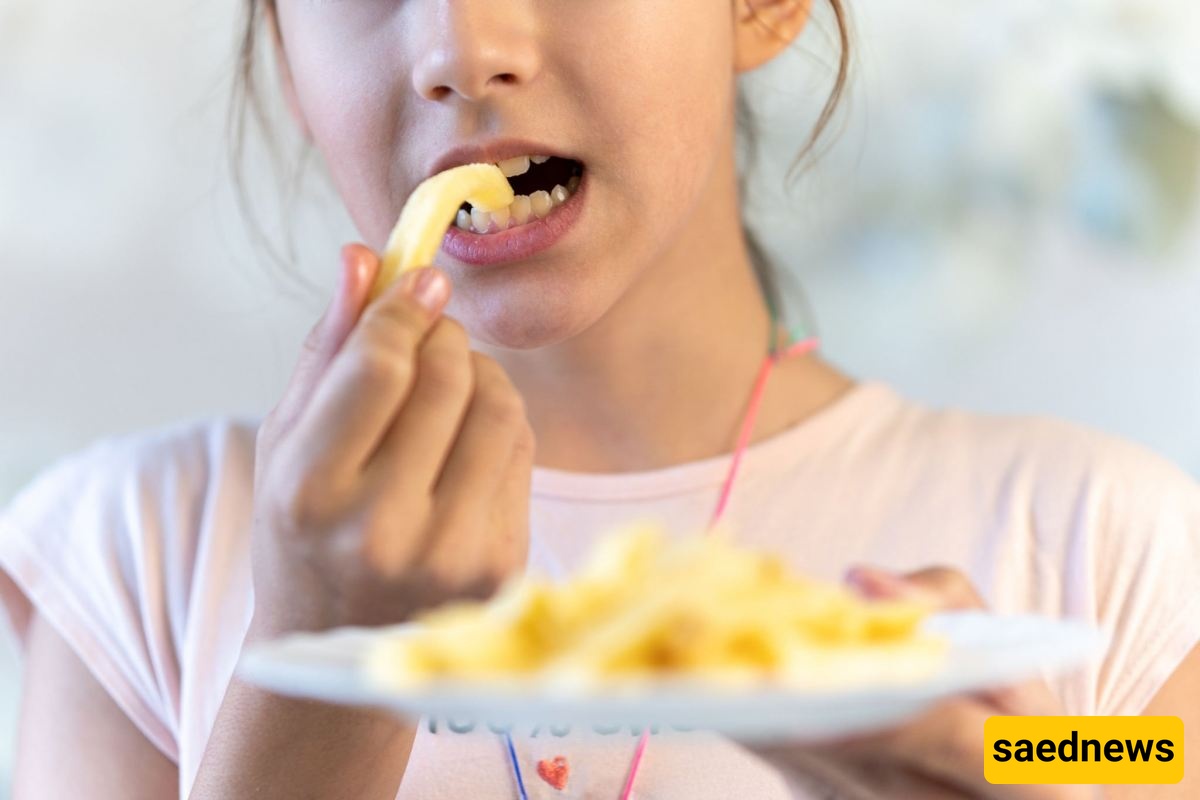
Steamed, boiled, or mashed potatoes are suitable options for toddlers.
Potatoes should be cooked until soft and served in shapes and sizes appropriate for the child's chewing and swallowing abilities.
Older children can enjoy potatoes in several forms, including:
Small roasted potato pieces.
Homemade mashed potatoes.
Baked potatoes.
Potato and vegetable soup.
Potatoes added to stews and casseroles.
Avoid serving hard or large pieces that may present a choking hazard. Children under four years old require particular attention to food size, texture, and supervision while eating.
Highly salted potato products, chips, and frequently fried foods should not be regular parts of a child's diet.
To make potatoes safer and healthier for children, keep these recommendations in mind:
Avoid eating green, sprouted, or heavily discolored potatoes.
Store potatoes in a cool, dry, dark, and well-ventilated place.
Avoid adding salt or spicy seasonings to meals for babies.
Wash potatoes thoroughly before cooking.
Peel potatoes when appropriate for the child's age and eating abilities.
Consult a pediatrician if your child has a suspected food allergy or a specific digestive problem.
Do not use potatoes as a replacement for other vegetables and fruits.
Always supervise young children while eating to reduce choking risks.
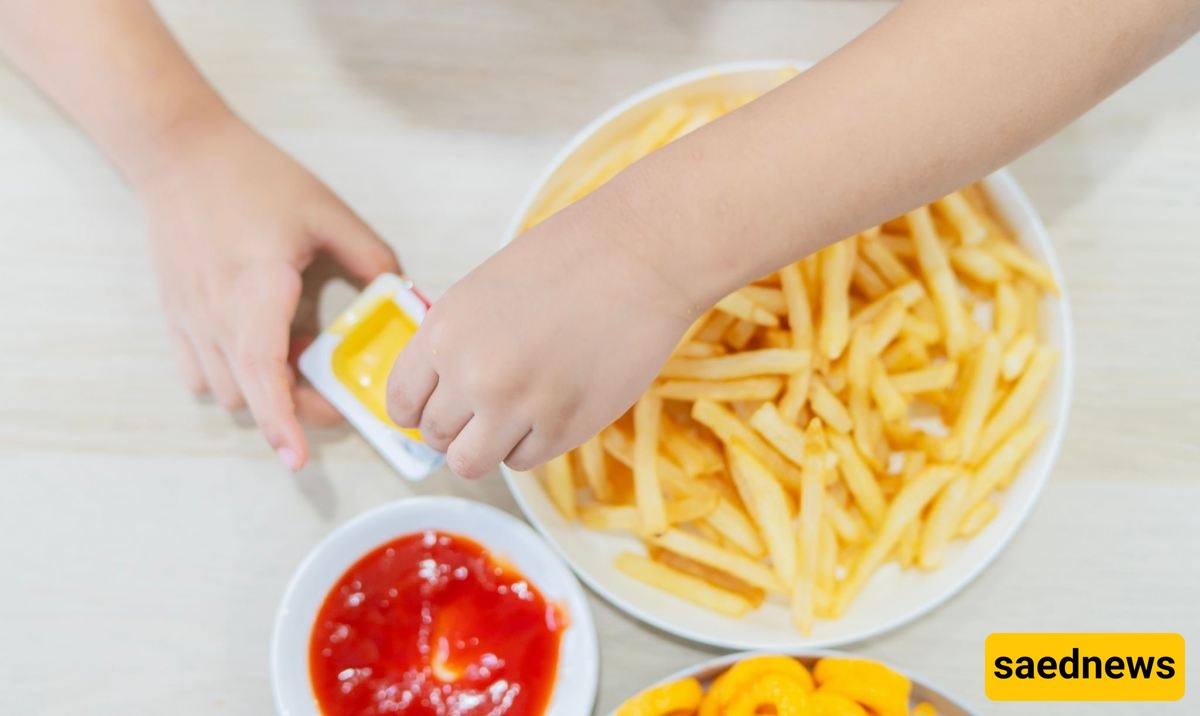
Potatoes are easy to incorporate into everyday meals. Here are a few nutritious ideas parents can try at home:
Creamy mashed potatoes: Combine cooked potatoes with a little milk and a small amount of butter or olive oil.
Potatoes with boiled eggs: Serve soft, cooked potatoes alongside a boiled egg for a balanced breakfast or lunch.
Potato and vegetable soup: Add potatoes to homemade soups, stews, or vegetable-based dishes.
Oven-roasted potatoes: Prepare soft roasted potato pieces and serve them with a variety of cooked vegetables.
Potato and chicken mash: Combine mashed potatoes with finely shredded, thoroughly cooked chicken for a protein-rich meal.
When preparing these meals, use minimal salt, choose appropriate cooking fats, and adjust portion sizes according to the child's age and appetite.
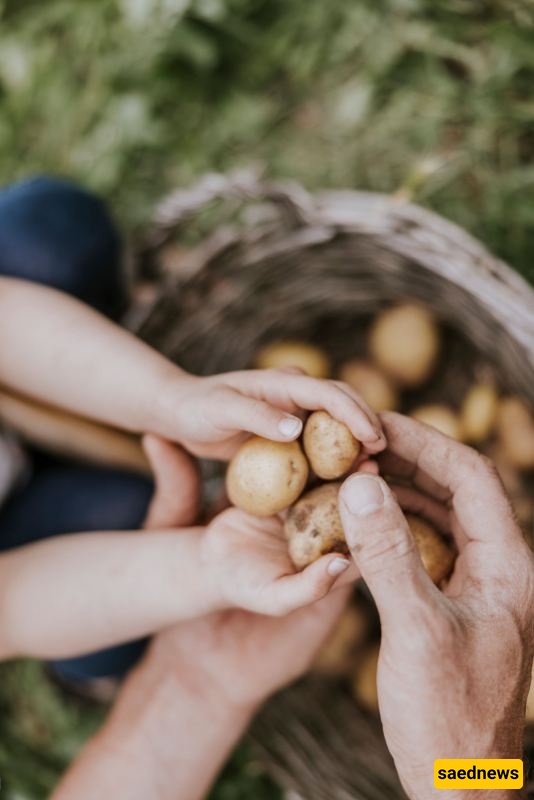
Potatoes are an affordable, versatile, and nutritious food that can play a positive role in children's diets. Their nutritional benefits include providing energy, supporting digestive health, contributing to normal immune function, supplying nutrients for brain and nervous system health, providing potassium, and promoting fullness.
However, these benefits depend on how potatoes are prepared and served. Boiling, steaming, and baking are generally healthier choices than deep-frying. Appropriate portions, limited added salt, and a variety of accompanying foods are also important.
Ultimately, potatoes should not replace other nutritious foods. Instead, they should be enjoyed as one component of a balanced and varied diet that supports children's healthy growth and development.