SAEDNEWS: This article explores the health benefits of peanuts for children, their essential nutrients, safe ways to consume them, and important precautions.
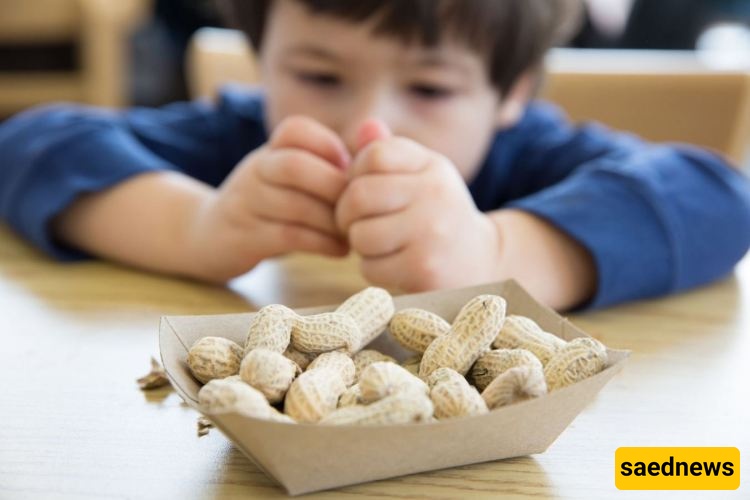
According to Saednews, Peanuts are among the most nutritious and widely available plant-based foods and can play a valuable role in children's diets. They are rich in protein, healthy fats, dietary fiber, vitamins, and essential minerals. When introduced and consumed safely, peanuts can contribute to children's growth, development, and overall health.
However, the health benefits of peanuts for children can only be enjoyed when two important safety concerns are addressed: peanut allergies and choking hazards caused by whole nuts or large pieces. This article explores the nutritional benefits of peanuts, their essential nutrients, age-appropriate serving methods, and important precautions parents should know.
Growing children need sufficient energy, high-quality protein, healthy fats, and essential micronutrients such as iron, magnesium, and vitamins. Thanks to their impressive nutritional profile, peanuts can be a beneficial part of a varied and balanced diet.
However, no single food can meet all of a child's nutritional needs. Peanuts should therefore be included alongside other food groups, such as fruits, vegetables, whole grains, dairy products, eggs, legumes, and other protein sources.
One of the main advantages of peanuts is that they provide considerable energy in a relatively small serving. This can be particularly helpful for children with smaller appetites or those experiencing periods of rapid growth.
Peanuts can also be introduced into children's meals in different forms, including smooth peanut butter, finely ground peanut powder, or as an ingredient mixed into other foods. These options add nutritional value and variety to a child's diet.
Peanuts are a good plant-based source of protein. Protein is essential for muscle development, tissue repair, enzyme production, and maintaining a healthy immune system.
Although peanut protein does not provide all essential amino acids in the same proportions as some animal-based protein sources, combining peanuts with grains or dairy products can improve the overall quality of protein intake.
For example, adding a small amount of peanut butter to whole-grain bread or yogurt can create a nutritious snack for children.
A child's developing brain needs adequate amounts of healthy fats, particularly during the early years of life.
Peanuts contain unsaturated fats, which play an important role in a balanced diet. These fats help provide energy, support cell growth, and improve the absorption of certain fat-soluble vitamins.
However, peanuts are relatively high in calories. Eating excessive amounts may contribute to unnecessary calorie intake. Serving sizes should therefore be appropriate for the child's age, appetite, and nutritional needs.
Peanuts contain several beneficial minerals, including magnesium, phosphorus, and potassium.
Magnesium contributes to bone development and normal muscle function, while phosphorus is an essential component of bone structure.
Nevertheless, healthy bone development depends on more than peanut consumption. Children also need adequate calcium, vitamin D, regular physical activity, and a varied diet.
Peanuts can provide additional nutritional support alongside other calcium- and vitamin-rich foods.
Peanuts provide vitamin E and various antioxidant compounds.
Vitamin E acts as an antioxidant, helping protect cells against oxidative damage. It also contributes to the normal functioning of the immune system.
Peanuts contain other beneficial compounds, including manganese and naturally occurring plant antioxidants, which further enhance their nutritional value.
However, eating peanuts alone cannot prevent childhood illnesses. Adequate sleep, vaccinations, good hygiene, and a balanced diet are equally important for maintaining children's health.
Peanuts contain dietary fiber, which supports normal digestive function and may help prevent constipation.
Children should increase their fiber intake gradually and drink enough water to support healthy digestion.
The combination of protein and fat in peanuts can also promote fullness. Including an appropriate amount in snacks may help reduce children's consumption of less nutritious foods.
This can be particularly beneficial for children who frequently prefer salty or sugary snacks.
Peanuts contain B vitamins, iron, and magnesium, all of which contribute to energy metabolism and normal nervous system function.
Iron is particularly important for children's cognitive development. Iron deficiency can lead to anemia, which may be associated with fatigue, reduced concentration, and difficulties with learning.
Although peanuts are not a treatment for iron-deficiency anemia, they can contribute to a balanced diet that includes various sources of iron and other essential nutrients.
Vitamin E and certain healthy fats found in peanuts contribute to maintaining healthy skin.
The nutrients in peanuts also support normal body functions and can complement other foods that provide nutrients essential for eye health.
For optimal vision support, children should also consume fruits and vegetables rich in vitamin A and other eye-supporting nutrients.

Peanuts contain a variety of nutrients that contribute to children's nutritional needs, including:
Plant-based protein
Unsaturated fats
Dietary fiber
Vitamin E
B-complex vitamins
Magnesium
Phosphorus
Potassium
Manganese
Iron
Zinc
Antioxidants
These nutrients make peanuts a valuable addition to a balanced diet when consumed in appropriate portions.
However, the quality and processing method also matter. Unsalted and unsweetened peanuts, whether raw or dry-roasted, are generally preferable to varieties containing excessive salt, added sugar, or oil.
Peanut allergy is one of the most important concerns parents should consider before introducing peanuts into a child's diet.
In some children, peanut allergy can cause severe and potentially life-threatening reactions.
Possible symptoms include:
Hives or skin rashes
Swelling of the lips, face, or tongue
Itching or tingling in the mouth
Vomiting
Diarrhea
Difficulty breathing
A sudden drop in blood pressure
Anaphylaxis in severe cases
If a child develops symptoms of an allergic reaction after consuming peanuts, immediate medical attention is necessary. Severe symptoms, particularly breathing difficulties or signs of anaphylaxis, require emergency medical assistance.
Parents of children with a history of food allergies, severe eczema, or asthma should consult a healthcare professional before introducing peanuts.
Some modern medical guidelines recommend introducing peanut-containing foods early in infancy, particularly for infants at higher risk of developing peanut allergies. However, the timing and method of introduction should be determined individually with appropriate medical guidance.
Important: Rubbing peanut butter onto a child's skin is not a recommended way to test for peanut allergy.
The safest way to serve peanuts depends on the child's age, developmental readiness, and allergy risk.
During this stage, a baby's primary source of nutrition should be breast milk or infant formula.
Peanuts and other solid foods should not be introduced before the baby is developmentally ready and without appropriate medical guidance.
If a healthcare professional confirms that the baby is ready and it is appropriate to introduce peanuts, smooth peanut butter can be offered in a diluted form.
Thick peanut butter can create a choking hazard. It should therefore be thinned with warm water, breast milk, or infant formula.
It can then be mixed into a small amount of baby cereal, puree, or other suitable soft food.
Never give whole peanuts or peanut pieces to infants.
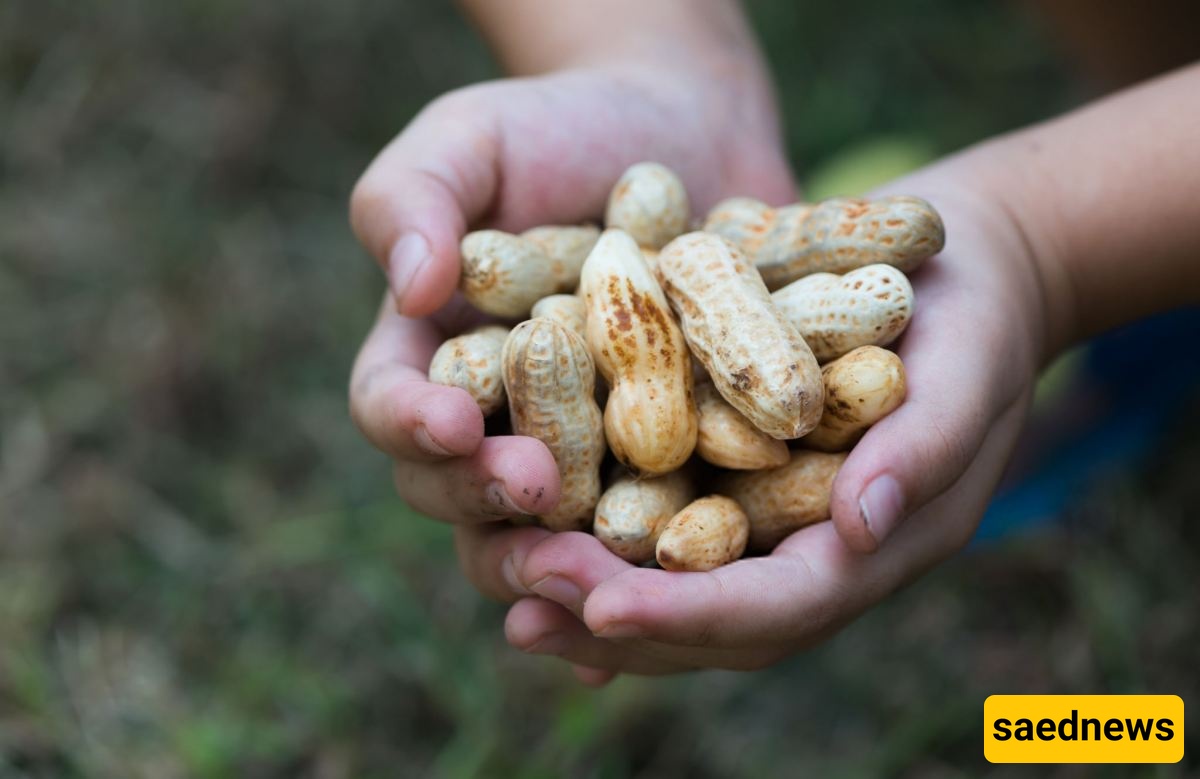
Suitable options include:
Smooth peanut butter
Finely ground peanut powder
Peanut butter mixed into yogurt
Peanut powder added to porridge
Thinly spread peanut butter on soft bread
Avoid whole peanuts, large peanut pieces, and spoonfuls of thick peanut butter.
Children should always eat while sitting down and remain under adult supervision.
Although choking risks generally decrease as children develop better chewing and swallowing skills, caution is still necessary.
For younger children, whole peanuts may remain a choking risk. Older children should also be encouraged to eat unsalted peanuts in moderate amounts.
Proper chewing and sitting down while eating are essential safety habits.
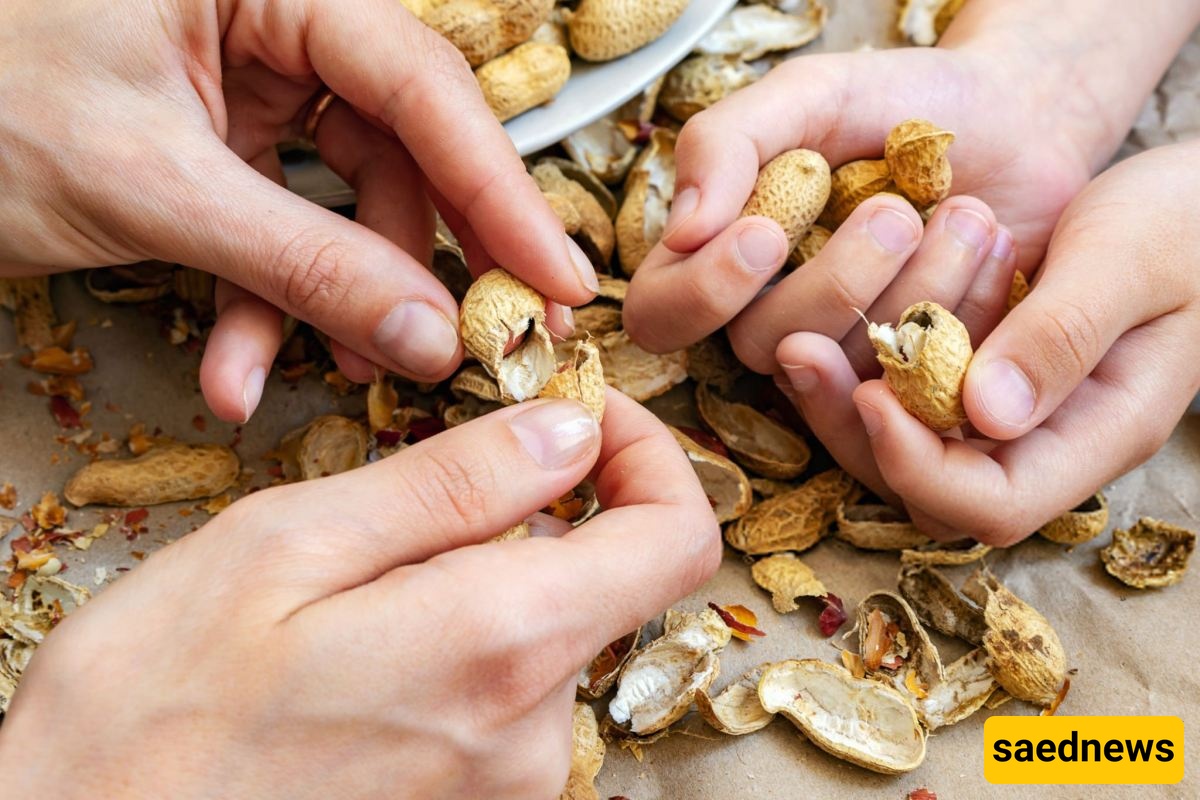
Although peanuts are nutritious, excessive consumption may lead to unnecessary calorie intake and reduce the variety of foods children eat.
It is better to offer peanuts as part of a balanced snack or as an ingredient in meals rather than using them as a replacement for main meals.
Salted and sweetened peanut products often contain added sodium and sugar, making unsalted and unsweetened alternatives a better choice.
Proper storage is also important. Peanuts should be kept in a cool, dry environment. Avoid eating peanuts that smell unusual, appear moldy, or show signs of spoilage.
If there is a family history of food allergies, parents should discuss the introduction of peanuts with a healthcare professional.
Peanuts are a nutrient-dense food that can contribute to children's nutritional needs when introduced and served appropriately. They provide plant-based protein, healthy fats, dietary fiber, vitamins, and essential minerals that support normal growth and development.
The health benefits of peanuts for children include supporting growth, providing energy, contributing to bone health, supporting immune function, and improving overall dietary quality.
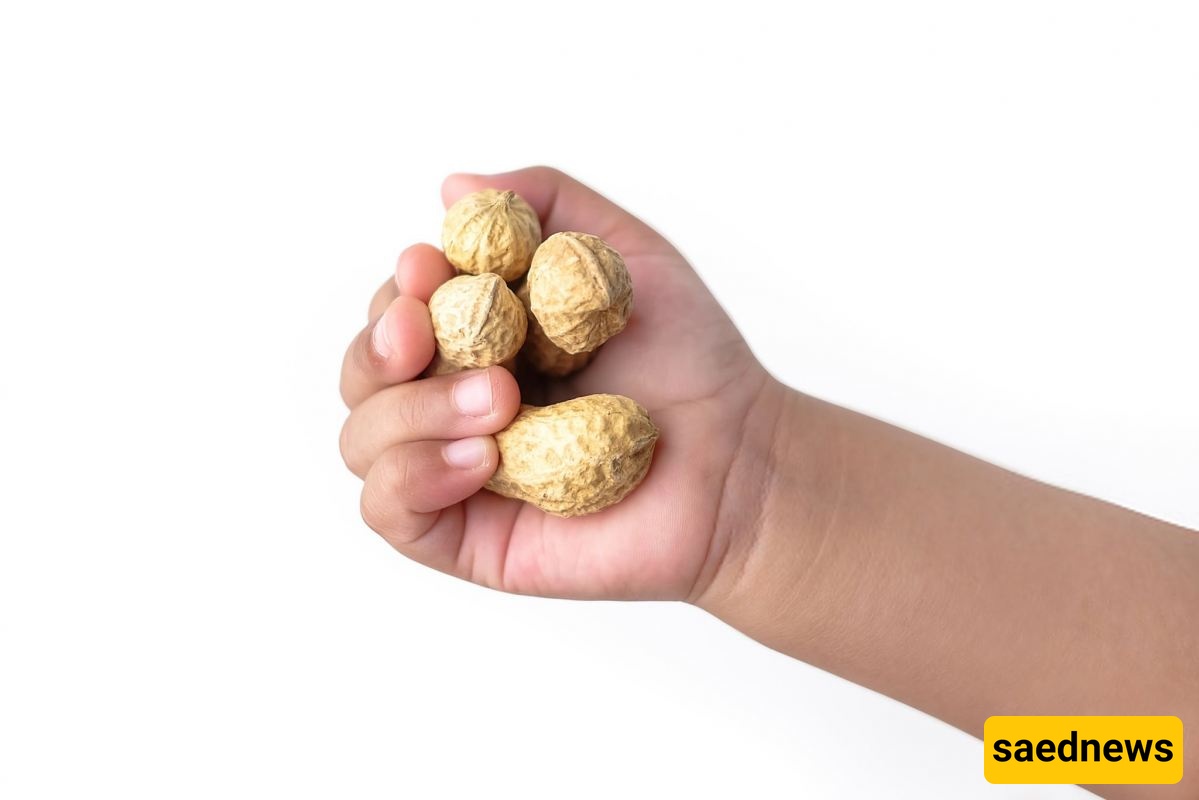
However, children's safety must always come first. Parents should take peanut allergies and choking hazards seriously and choose age-appropriate forms without excessive added salt or sugar.
Children with a history of allergies or underlying medical conditions should receive appropriate medical advice before consuming peanuts.
Ultimately, peanuts can be a nutritious part of a child's diet, but they should complement a varied and balanced eating pattern rather than replace other essential foods.