SAEDNEWS: Good preparation can make a long flight more comfortable and help reduce fatigue. Smart choices about sleep, food, hydration, movement, and what to pack can make a noticeable difference.
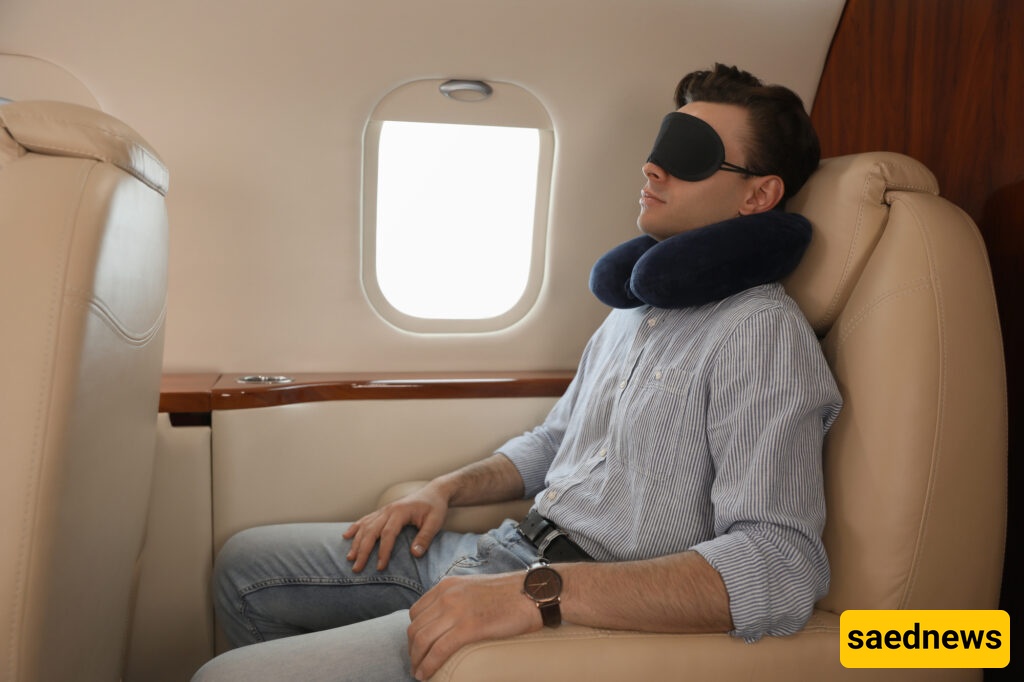
According to SAEDNEWS, preparing for a long flight starts before you reach the airport. Instead of trying to cope with tiredness after boarding, organize your sleep, meals, luggage, and travel essentials in advance. A little planning can make it easier to stay comfortable during several hours of sitting and adjust to changes in routine.
Avoid beginning a long journey already exhausted. If possible, get adequate sleep the night before and keep your usual sleep schedule rather than staying awake late to finish unnecessary tasks. Prepare important travel items in advance so that packing and last-minute arrangements do not add extra stress.
Keep these essentials easily accessible in your carry-on bag:
A refillable water bottle to use after passing security
Comfortable layers of clothing
A small travel pillow or other supportive item
Personal medications, if prescribed
Basic toiletries
Earplugs or an eye mask if they help you rest
A heavy meal immediately before or during a long flight may leave some people feeling uncomfortable. A lighter, familiar meal can be easier to tolerate, especially if sitting for several hours.
Regular hydration is also useful because the cabin environment can feel dry. Drink water according to your thirst and normal needs rather than forcing yourself to consume excessive amounts. Limiting very large meals and excessive caffeinated drinks before trying to sleep may also help some travelers rest more comfortably.
Long periods of sitting can contribute to stiffness and discomfort. During the flight, change position regularly and move your feet and ankles while seated. When it is safe and practical, get up occasionally and walk briefly along the cabin.
Simple movements include:
Flexing and extending your ankles.
Gently moving your shoulders and neck.
Stretching your legs while seated.
Taking short walks when permitted.
These small movements can make a long period of sitting feel less tiring.
If the flight overlaps with your normal sleeping hours, try to create conditions that support rest. Adjust your seat and clothing for comfort, reduce unnecessary screen use when you are ready to sleep, and use an eye mask or earplugs if they are helpful.
For flights crossing several time zones, gradually adjusting your sleep schedule before departure may also make the transition easier. Once you arrive, exposure to daylight and following the local schedule can help your body adapt to the new routine.
One common source of travel fatigue is trying to do too much immediately after landing. If possible, leave some flexibility in your first day, particularly after a very long journey. Give yourself time to eat, hydrate, move around, and rest before starting a demanding schedule.
The goal is not to eliminate every sign of tiredness. Long flights naturally place demands on the body. Good preparation simply reduces avoidable discomfort and gives you a better chance of arriving feeling reasonably refreshed.