SAEDNEWS: More than one million people have been evacuated across eastern China after Typhoon Dolphin made landfall with winds reaching 150 km/h. Shanghai alone cancelled around 1,400 flights as authorities warned of torrential rain, flooding and landslides through Wednesday.
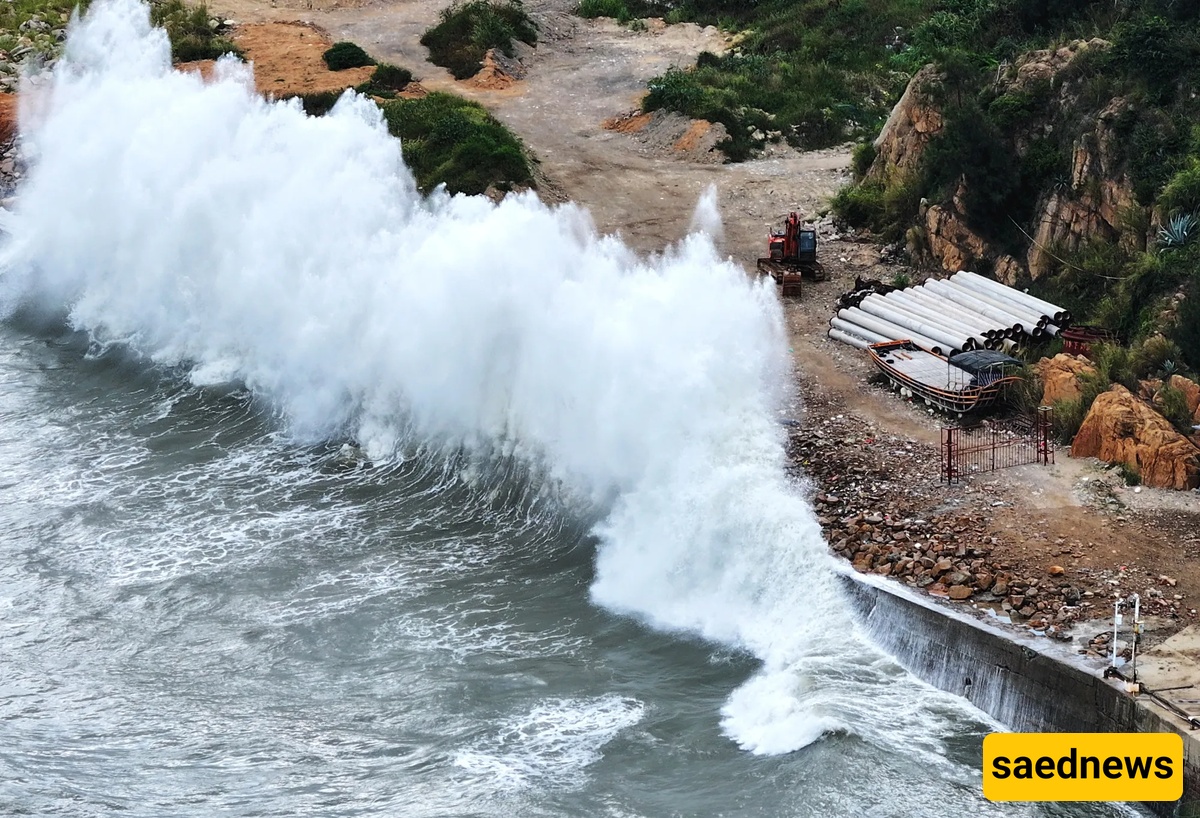
According to SaedNews: More than one million people have been evacuated from their homes across eastern China after Typhoon Dolphin reached land, bringing powerful winds and widespread disruption to transportation.
The storm struck with maximum winds of around 150 kilometers per hour, according to Chinese meteorological authorities. Its arrival prompted a major emergency response in several parts of the east, including Shanghai, where authorities moved large numbers of residents away from areas considered vulnerable to the storm.
The scale of the evacuation highlights the seriousness of the weather system even as its classification was later reduced. Authorities had previously issued their highest-level red alert for Typhoon Dolphin, signaling the potential for dangerous conditions as the storm approached the coast.
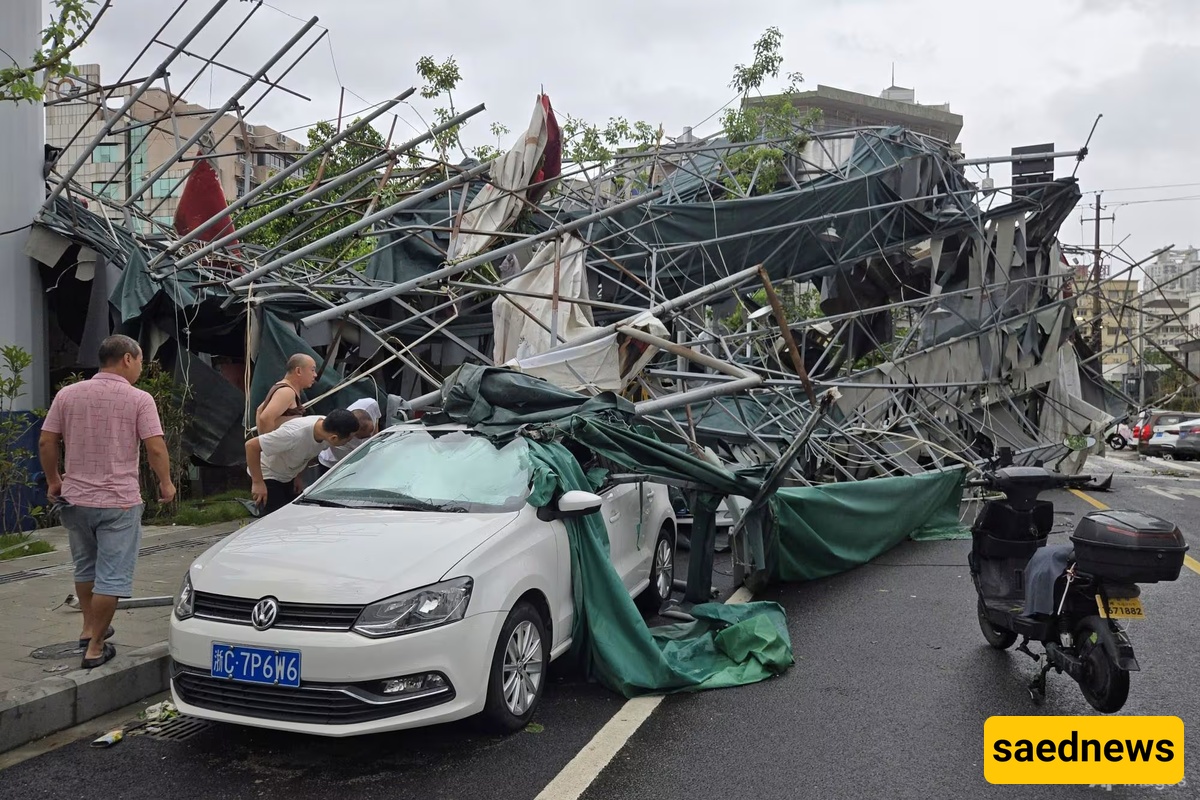
By Monday morning, however, officials had downgraded the system to a tropical storm. That change did not mean the danger had disappeared. Instead, authorities continued to warn residents about the risks associated with heavy rainfall as Dolphin moved farther inland.
Shanghai was among the areas experiencing the most visible disruption. Air travel was severely affected, with around 1,400 flights cancelled in the city. Transportation networks across the wider region were also brought to a standstill or significantly disrupted as authorities prepared for the storm's arrival and its expected aftermath.
For residents, the storm has therefore become more than a question of strong winds. The threat is now shifting toward water. Officials have warned that torrential rainfall could produce serious flooding in the coming days, while saturated ground could increase the possibility of landslides.
Authorities are maintaining warnings through Wednesday as the storm continues its movement toward China's interior. The prolonged rainfall is a particular concern because the hazards associated with a tropical system can continue even after the strongest winds weaken.
The evacuation of more than one million people represents the most striking measure taken in response to the storm. Moving such a large number of residents requires extensive coordination, particularly in densely populated parts of eastern China. The disruption to flights and other transportation services also shows how quickly a major weather event can affect daily life far beyond the immediate path of the storm.
The situation in Shanghai illustrates that impact clearly. With 1,400 flights cancelled, travelers faced widespread delays and cancellations at a time when authorities were simultaneously managing the broader emergency response. The disruption extended across the region, reflecting the scale of precautions taken as Dolphin approached.
The storm's initial strength also helps explain the urgency. With winds reaching 150 km/h when it first made landfall, Dolphin arrived with enough force to pose a serious threat to coastal communities and infrastructure. Although the system subsequently weakened and its alert level was lowered, officials have continued to focus attention on the dangers that could emerge from prolonged rainfall.
There is also a significant difference between a storm weakening and a storm becoming harmless. As Dolphin moves inland, the primary concern is increasingly the amount of rain it can deliver rather than the maximum wind speed recorded at landfall.
That is why authorities are continuing to urge caution despite the downgrade in classification. Flooding can spread quickly, while landslides can occur when intense rainfall saturates vulnerable slopes. Both hazards can affect communities even after a storm's strongest winds have passed.
The coming days will therefore remain critical for areas along the storm's path. Officials are watching the system as it moves inland and maintaining warnings about severe rainfall, flooding and landslides until at least Wednesday.
For the more than one million people already evacuated, the immediate priority is safety and waiting for conditions to improve. For the rest of the region, the disruption serves as a reminder that the effects of a major storm do not necessarily end when its winds weaken.
Typhoon Dolphin has already forced a massive evacuation and grounded thousands of flights across the affected region. Now, as the system pushes deeper into China, the focus is turning to whether the expected rainfall will trigger the next phase of the emergency. The warnings remain in place, and the coming days could determine the full extent of the storm's impact.