SAEDNEWS: Fraying, loose connections, slow charging, and unusual heat can indicate that a charging cable is damaged and may need replacement.
According to SAEDNEWS, a charging cable can gradually wear out through frequent bending, pulling, twisting, or everyday use. Some signs are easy to spot, while others appear as changes in charging performance.
Watch for these common warning signs:
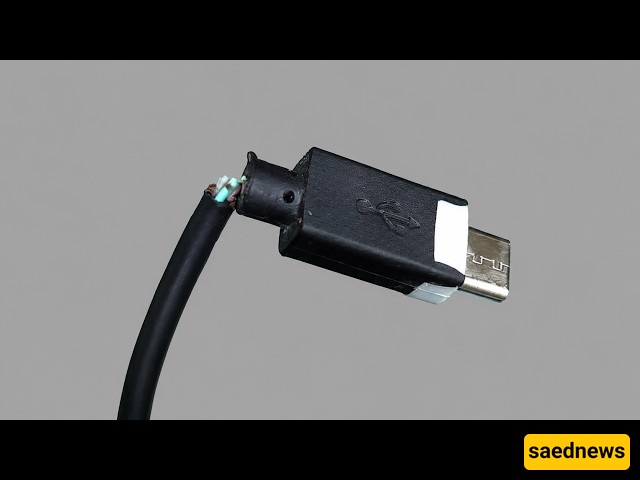
Visible fraying or exposed wires: Cracks, splits, or exposed internal wiring indicate physical damage.
Charging that repeatedly stops: If the device starts and stops charging when the cable is moved slightly, the cable or its connector may be damaged.
Slow or inconsistent charging: A cable that once charged normally but now charges unpredictably may have developed an internal fault.
Loose or damaged connectors: A connector that no longer fits securely can indicate wear or physical damage.
Unusual heat: A noticeably hot cable or connector during normal charging should not be ignored, particularly when accompanied by discoloration or a burning smell.
Visible discoloration: Darkened, melted, or deformed areas can indicate overheating or damage.
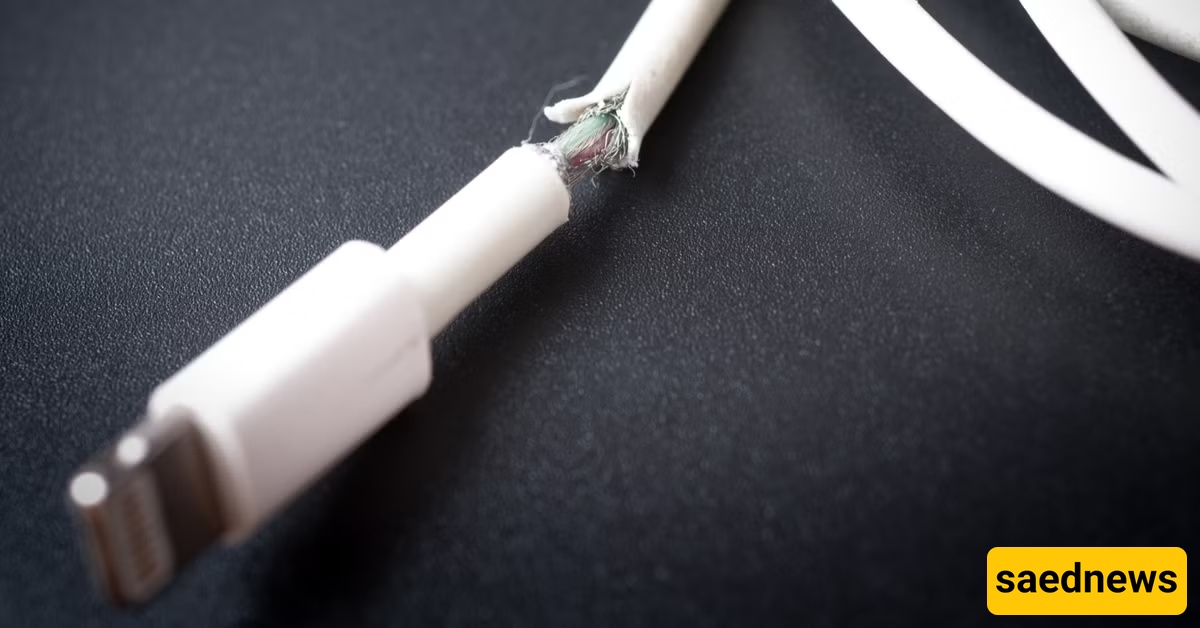
A cable with minor surface wear may still appear functional, but exposed wires, melted insulation, damaged connectors, or signs of overheating are reasons to stop using it. Continuing to use a visibly damaged cable can create electrical and device-safety risks.
If charging problems occur, check the cable and connectors for debris or damage and, when appropriate, test the device with a compatible, undamaged cable. If the problem continues with another cable, the issue may be with the charger, charging port, or device rather than the original cable.
Handle charging cables gently and avoid sharply bending them near the connector. Disconnect them by holding the plug rather than pulling on the cable itself, and store them without tight knots or severe bends. Replacing a worn cable before its damage becomes more serious can also help prevent charging problems.