SAEDNEWS: Proper refrigerator placement helps keep leftovers at a safe temperature and reduces the risk of cross-contamination.
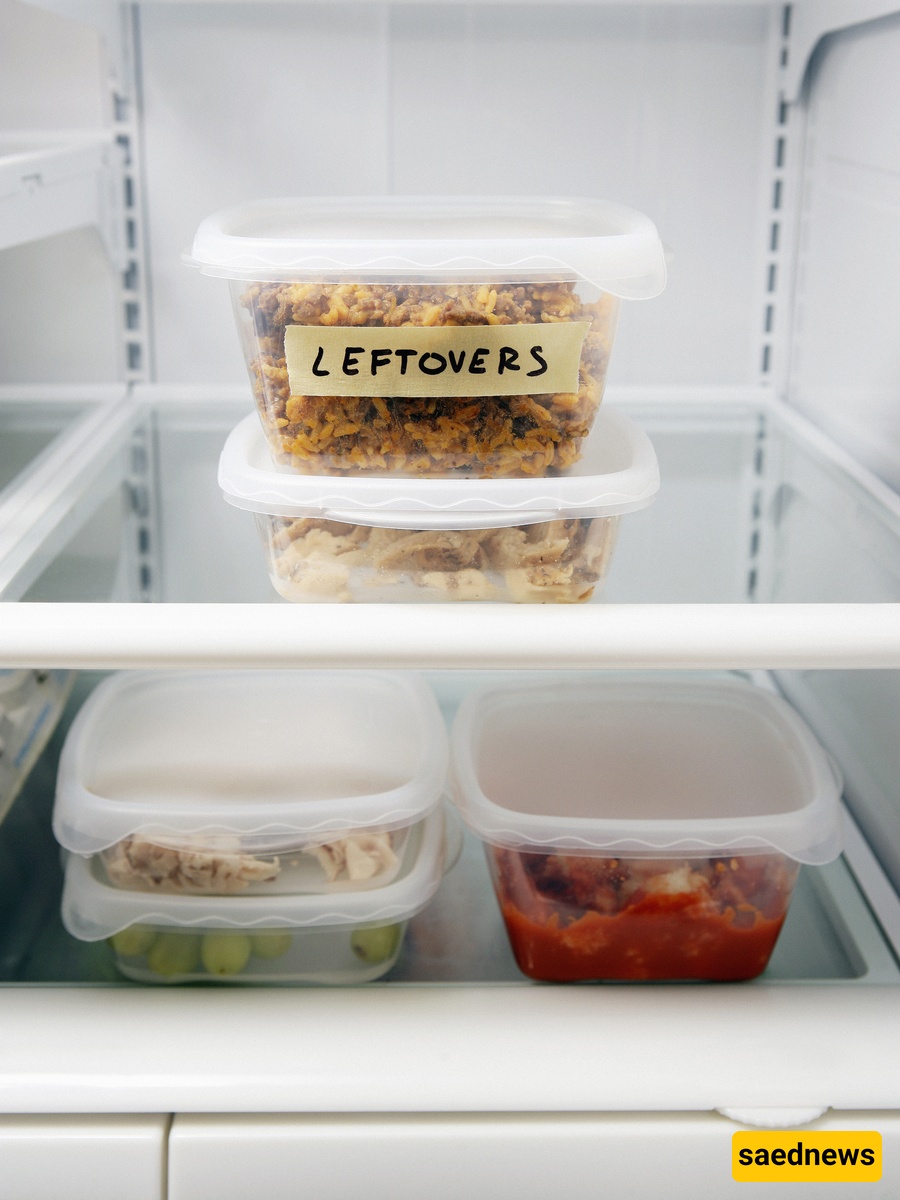
According to SAEDNEWS, leftovers should generally be stored on the refrigerator shelves rather than in the door, where temperatures can fluctuate more. After cooking, transfer leftovers into clean, shallow, covered containers and refrigerate them promptly so they can cool safely.
The middle or upper shelves of the refrigerator are usually suitable for covered containers of cooked food. These areas tend to have more stable temperatures than the door shelves, making them practical for storing meals that are ready to eat.
Keep leftovers away from raw foods that could leak. If raw foods are stored in the refrigerator, place them in sealed containers and keep them on a lower shelf so that any leakage does not contaminate cooked food.
A practical setup can look like this:
Upper or middle shelves: Cooked leftovers and ready-to-eat foods
Lower shelf: Raw foods in tightly sealed containers
Crisper drawers: Fruits and vegetables, according to their storage needs
Refrigerator door: Foods that tolerate temperature fluctuations well
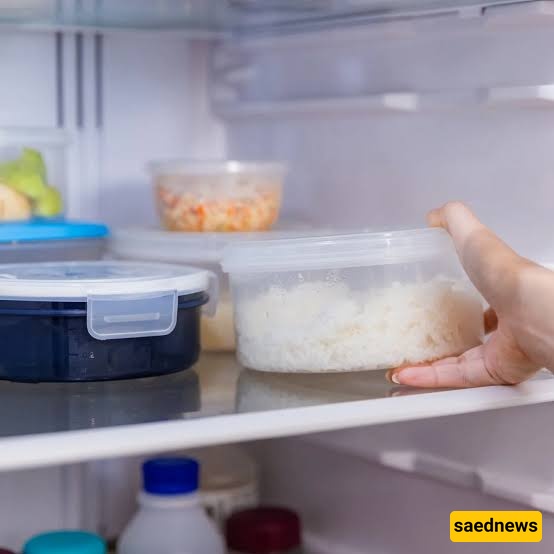
Use shallow containers: Dividing a large amount of food into smaller portions helps it cool more quickly.
Cover the containers: Use tight-fitting lids or suitable food-safe coverings to prevent contamination and unwanted odors.
Refrigerate promptly: Do not leave cooked food at room temperature for extended periods.
Keep the refrigerator cold: The refrigerator should be maintained at 4°C (40°F) or below.
Label older containers: Marking the date can make it easier to use older leftovers first.
Proper placement is only part of safe storage. Leftovers should also be handled with clean utensils and stored in clean containers. When reheating, heat the food thoroughly before serving, and avoid repeatedly cooling and reheating the same portion.