SAEDNEWS: Proper storage can help slow peach softening and preserve their texture and freshness for longer.
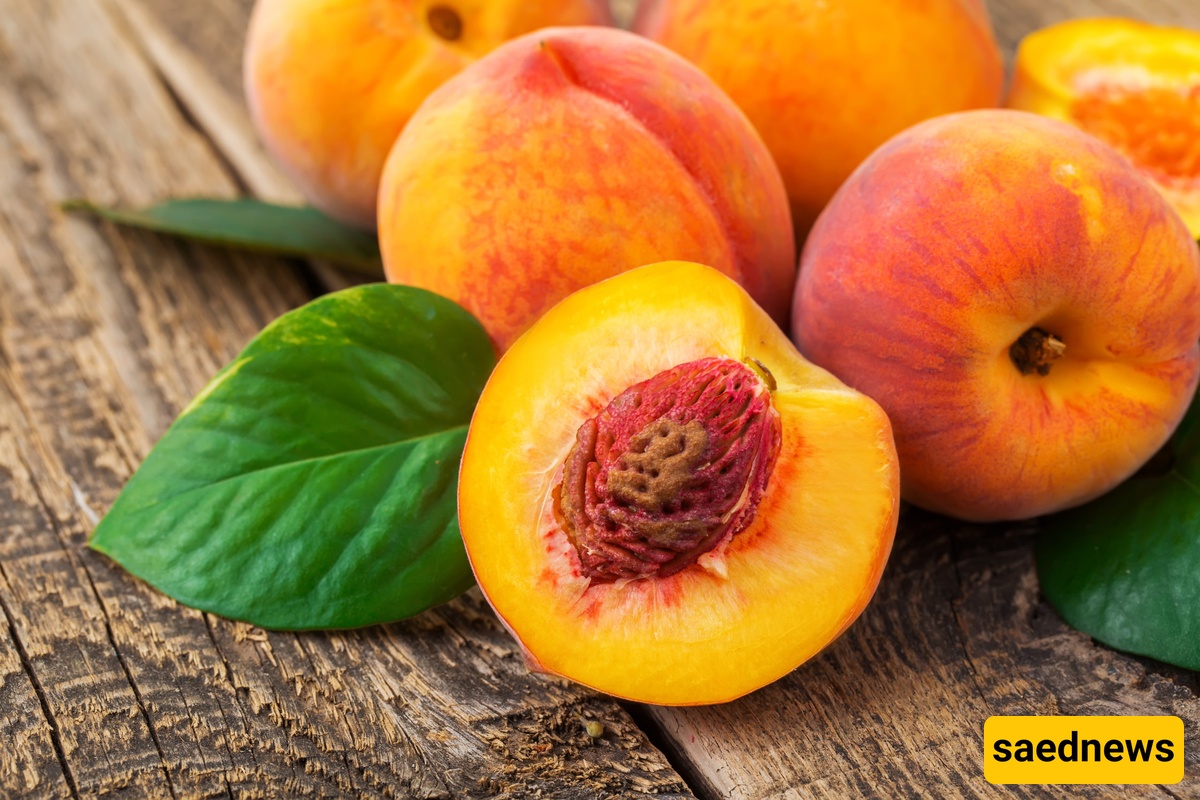
According to SAEDNEWS, peaches naturally continue to soften after ripening, but the right storage conditions can slow this process. If peaches are already ripe, placing them in the refrigerator can help extend their usable life, while careful handling reduces bruising and moisture-related spoilage.
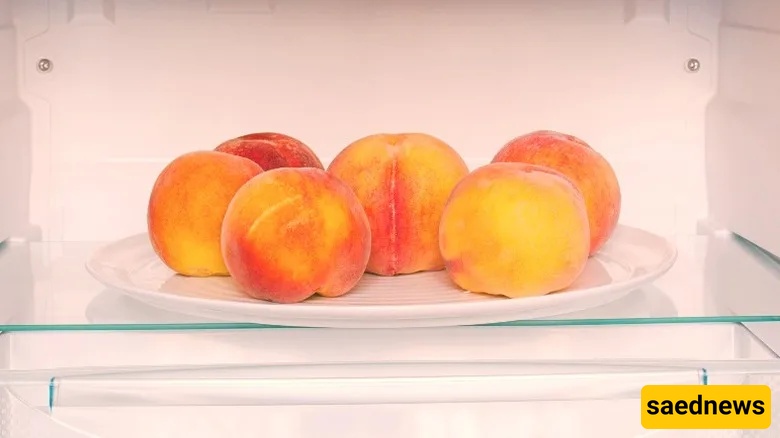
Once peaches have reached the desired ripeness, transfer them to the refrigerator rather than leaving them at room temperature. Cold temperatures slow the fruit's ripening process and can help maintain its firmness for a longer period.
Place the peaches in a shallow container or loosely arranged in the refrigerator so they are not pressed tightly against one another. Avoid stacking heavy items on top of them, as pressure can create bruised, soft areas.
For better results, keep these points in mind:
Refrigerate ripe peaches: Cold storage slows further softening.
Handle them gently: Bruising can accelerate deterioration.
Avoid excess moisture: Keep peaches dry and remove any moisture before storage.
Do not overcrowd the container: Good spacing helps prevent pressure damage.
Check them regularly: Remove peaches that have become damaged or spoiled so deterioration does not spread.
Firm, unripe peaches generally benefit from ripening at room temperature rather than immediate refrigeration. Once they become pleasantly fragrant and yield slightly to gentle pressure, they can be moved to the refrigerator to slow further softening.
It is also better to avoid washing peaches until they are ready to eat. Extra surface moisture can contribute to faster deterioration during storage.
With gentle handling, appropriate ripening, and timely refrigeration, peaches can retain a more pleasant texture and remain enjoyable for longer without unnecessary food waste.