SAEDNEWS: Small daily habits can reduce the performance and lifespan of kitchen appliances. Avoiding common mistakes helps keep them working efficiently for longer.
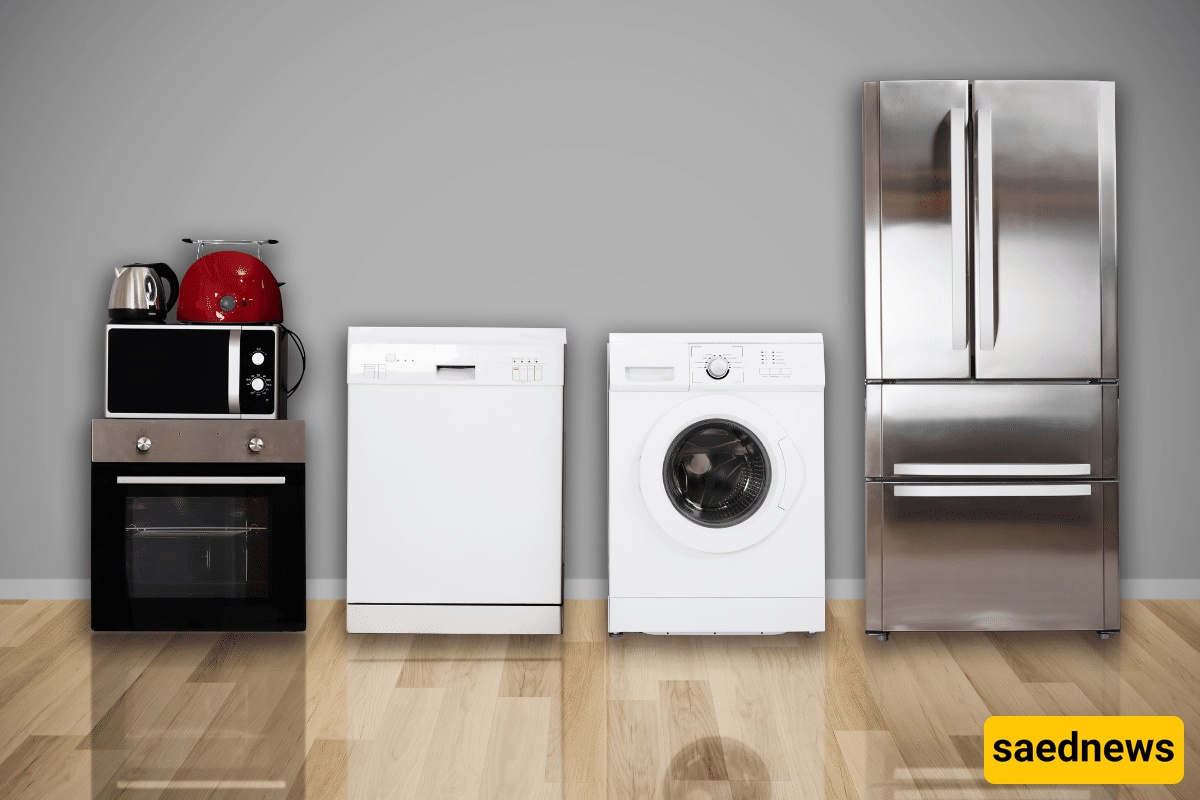
According to SAEDNEWS, many kitchen appliances lose their efficiency not because of major failures, but because of repeated small mistakes in daily use and maintenance. Simple habits such as improper cleaning, overloading, or ignoring care instructions can gradually affect the performance of devices like refrigerators, ovens, blenders, and coffee makers.
Ignoring Regular Cleaning
Food particles, grease, and mineral deposits can build up inside or around appliances over time. A dirty appliance may need more energy to operate and may experience reduced performance. For example, cleaning refrigerator coils, removing food residue from ovens, and washing removable blender parts properly can help prevent unnecessary wear.
Overloading Appliances
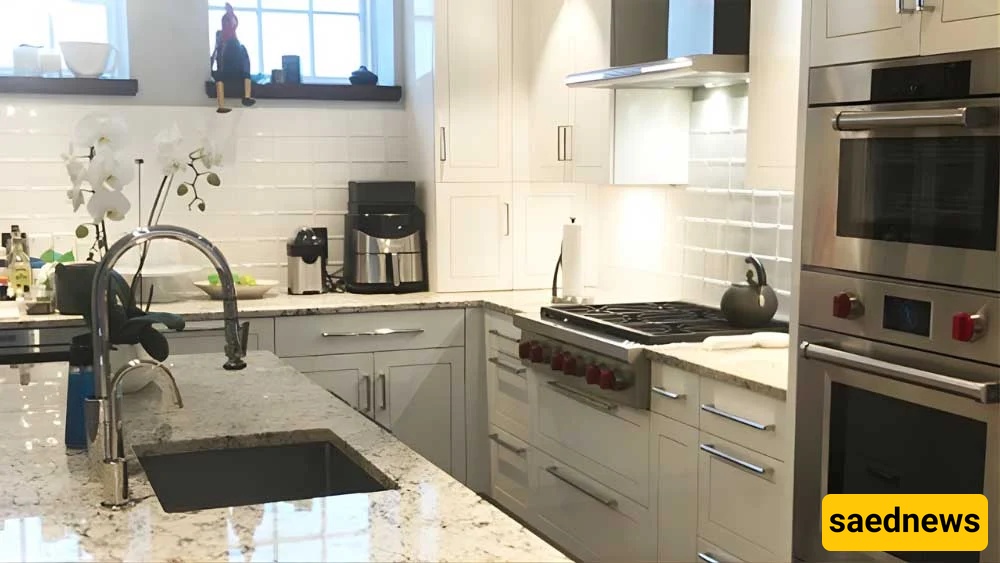
Using appliances beyond their recommended capacity can put extra pressure on their motors and internal components. Common examples include:
• Filling a blender with too many ingredients at once
• Placing excessive dishes in a dishwasher
• Overloading a washing machine used for kitchen towels and fabrics
Following the manufacturer’s capacity guidelines helps appliances work more smoothly.
Using the Wrong Cleaning Methods
Not every appliance can be cleaned with the same products or techniques. Harsh cleaners, excessive water, or rough scrubbing tools may damage surfaces, electrical parts, or protective coatings. Using suitable cleaning methods according to the appliance manual can prevent accidental damage.
Some everyday actions can help extend appliance life:
• Allow appliances to cool before cleaning them
• Check seals on refrigerators and ovens regularly
• Remove food residue after use instead of letting it accumulate
• Avoid blocking ventilation areas around appliances
• Handle buttons, doors, and moving parts gently
These small steps reduce unnecessary stress on appliance components.
Many people only pay attention to an appliance when a problem appears. However, early maintenance can help identify issues before they become serious. Replacing worn parts, checking unusual noises, and following recommended maintenance schedules can support better performance.
The location of an appliance can also affect its durability. For example, placing a refrigerator too close to heat sources may make it work harder, while keeping small appliances in areas exposed to moisture may increase the risk of damage. Choosing a suitable location with proper airflow can help appliances function more effectively.
Taking better care of kitchen appliances does not require complicated routines. By avoiding these common mistakes and using appliances according to their instructions, households can reduce unnecessary repairs and keep their kitchen equipment useful for a longer time.