SAEDNEWS: Proper storage conditions can help slow garlic sprouting and preserve its quality for longer.
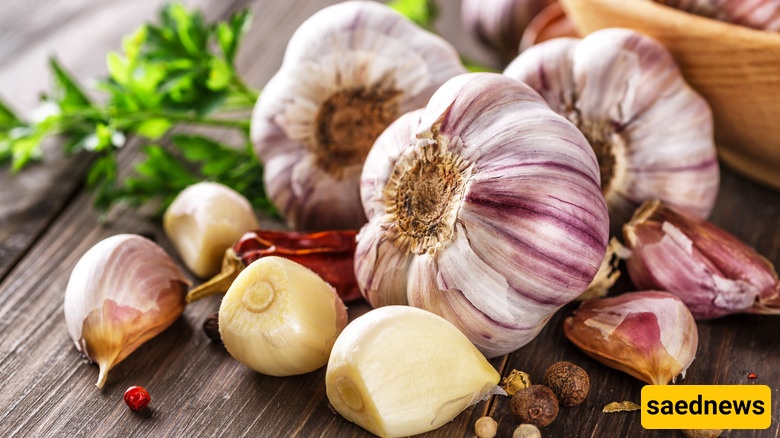
According to SAEDNEWS, garlic is more likely to sprout when it is exposed to warmth, moisture, or unsuitable storage conditions. The green shoot that appears inside a garlic clove is a natural sign that the clove has begun to grow. While sprouting does not automatically mean the garlic has spoiled, it can affect its texture and flavor.
The best everyday approach is to keep whole garlic bulbs in a cool, dry, and well-ventilated place. A kitchen cupboard or pantry away from the stove, sink, dishwasher, and direct sunlight is generally more suitable than a warm or humid location.
Avoid storing garlic in sealed plastic bags because trapped moisture can encourage deterioration. Instead, use a container that allows air circulation, such as:
A mesh or net bag
A paper bag with ventilation
A garlic keeper with air holes
An open basket kept away from moisture
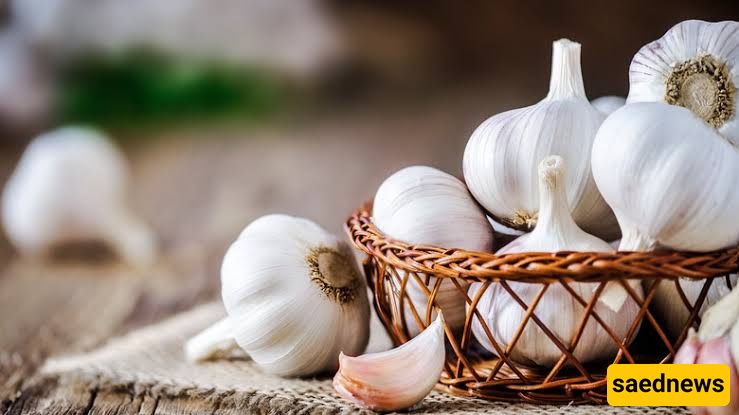
Warm conditions can encourage garlic to begin sprouting. For this reason, avoid placing bulbs next to ovens, cooktops, radiators, or other sources of heat. Strong light is also unnecessary, so a shaded cupboard is preferable.
Refrigeration is generally not the first choice for whole, unpeeled garlic bulbs because the cold, humid environment can affect their storage quality and may encourage sprouting when the garlic is later brought back to room temperature. Keeping intact bulbs in a suitable dry, ventilated cupboard is usually more practical.
Once garlic has been peeled or prepared, however, it should be handled differently and refrigerated in a clean, covered container according to food-safety guidance.
Even with good storage, some garlic may eventually sprout. Check the bulbs occasionally and remove cloves that have become soft, moldy, or visibly spoiled. If a clove has only developed a small green shoot and remains firm and otherwise sound, the sprout can be removed before cooking if its stronger or slightly bitter flavor is undesirable.
The key is to avoid creating a warm, damp, poorly ventilated environment. Choosing firm bulbs at purchase and storing them properly from the beginning can help maintain their quality and slow unwanted sprouting.