SAEDNEWS: Simple kitchen activities can help children develop practical skills, confidence, and a sense of responsibility while spending time with family.
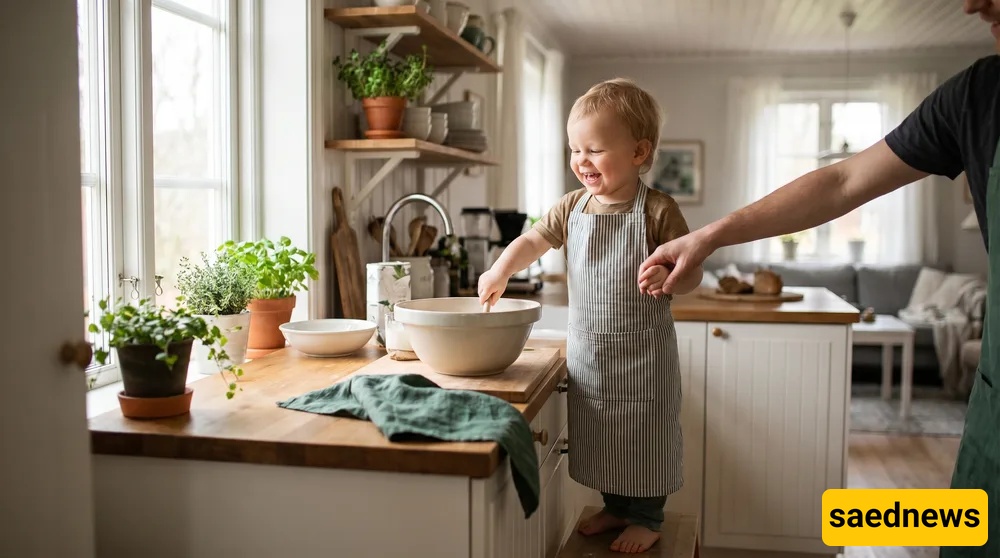
According to SAEDNEWS, children can take part in many simple kitchen activities that match their age and abilities. Helping in the kitchen is not only about preparing food; it can also encourage independence, improve coordination, and teach children about healthy eating habits and teamwork.
The type of task a child can handle depends on their age, experience, and safety awareness. Parents can start with small responsibilities and gradually introduce more complex activities as children become more comfortable.
Younger children can participate in activities that do not require sharp tools or heat. These tasks allow them to feel involved while learning basic kitchen habits.
Children can help with:
• Washing fruits and vegetables
• Mixing ingredients in a bowl
• Measuring simple ingredients with supervision
• Arranging food on plates
• Setting the table
• Pouring prepared ingredients into containers
• Cleaning small spills or putting away safe kitchen items
These activities can strengthen hand coordination and help children understand how food is prepared.
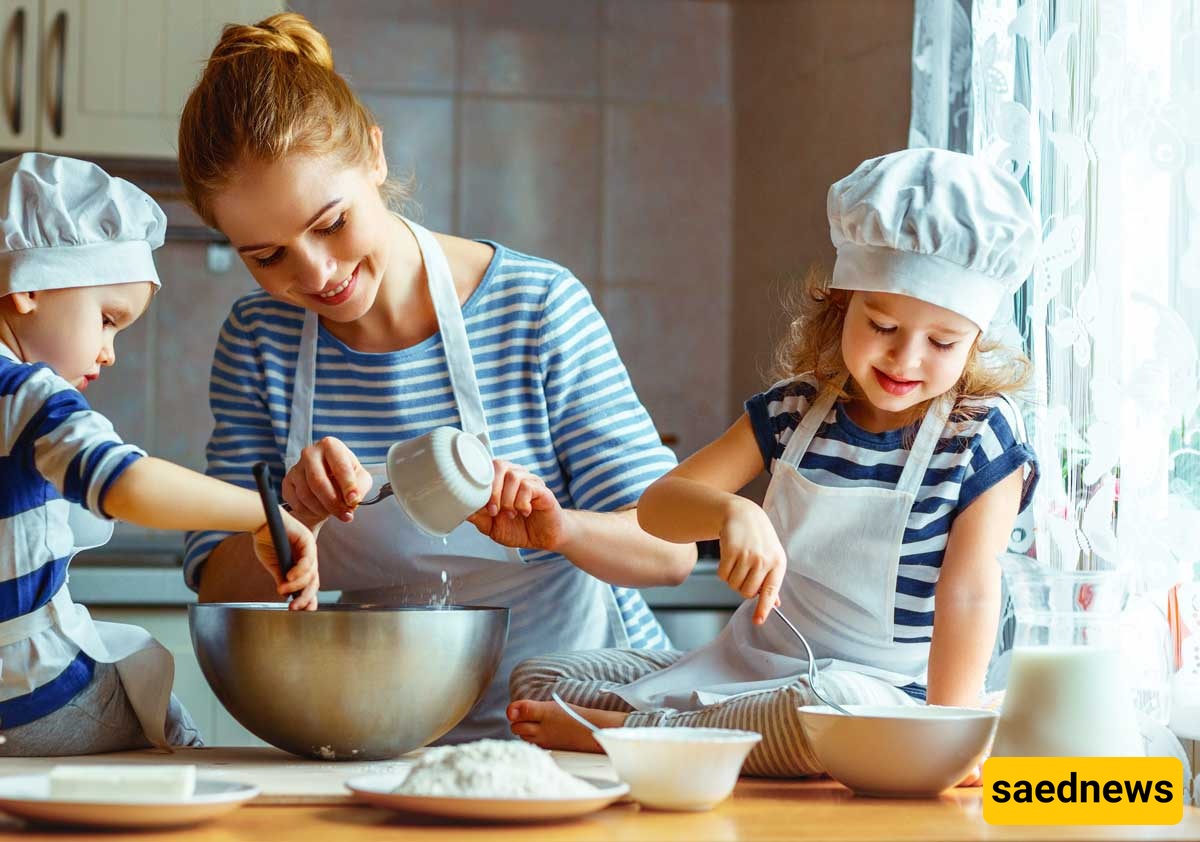
As children grow older and develop better judgment, they can take on more responsibilities under adult supervision. They may learn how to follow simple recipes, prepare snacks, or assist with meal preparation.
Examples of suitable activities include:
Preparing simple foods
Children can help make easy meals or snacks by combining ingredients, spreading toppings, or assembling different parts of a dish.
Reading recipes
Following a recipe can improve reading skills, attention, and the ability to follow instructions.
Organizing ingredients
Children can collect ingredients, check what is needed, and return items to their proper places after cooking.
Helping with kitchen cleanup
Washing safe dishes, wiping surfaces, and organizing utensils can teach responsibility after meal preparation.
Kitchen participation should always be based on safety. Parents should choose tasks carefully and provide guidance, especially when children are near hot surfaces, electrical appliances, or sharp objects.
Helpful safety practices include:
• Teaching children to wash their hands before handling food
• Explaining which kitchen tools require adult help
• Supervising activities involving heat, cutting, or appliances
• Giving children clear instructions instead of assuming they know the risks
Being involved in cooking can give children valuable everyday skills. They may become more familiar with different foods, develop patience, and gain confidence from completing useful tasks.
Cooking together can also create opportunities for family communication. Children often learn by watching adults, asking questions, and participating in small steps during meal preparation.
The goal is not to make children responsible for cooking alone but to help them gradually build practical skills in a safe and supportive environment. Simple kitchen tasks can become enjoyable learning experiences that support independence and cooperation.