SAEDNEWS: Holes in plant leaves can result from several causes besides insects, including environmental stress, diseases, and care problems.
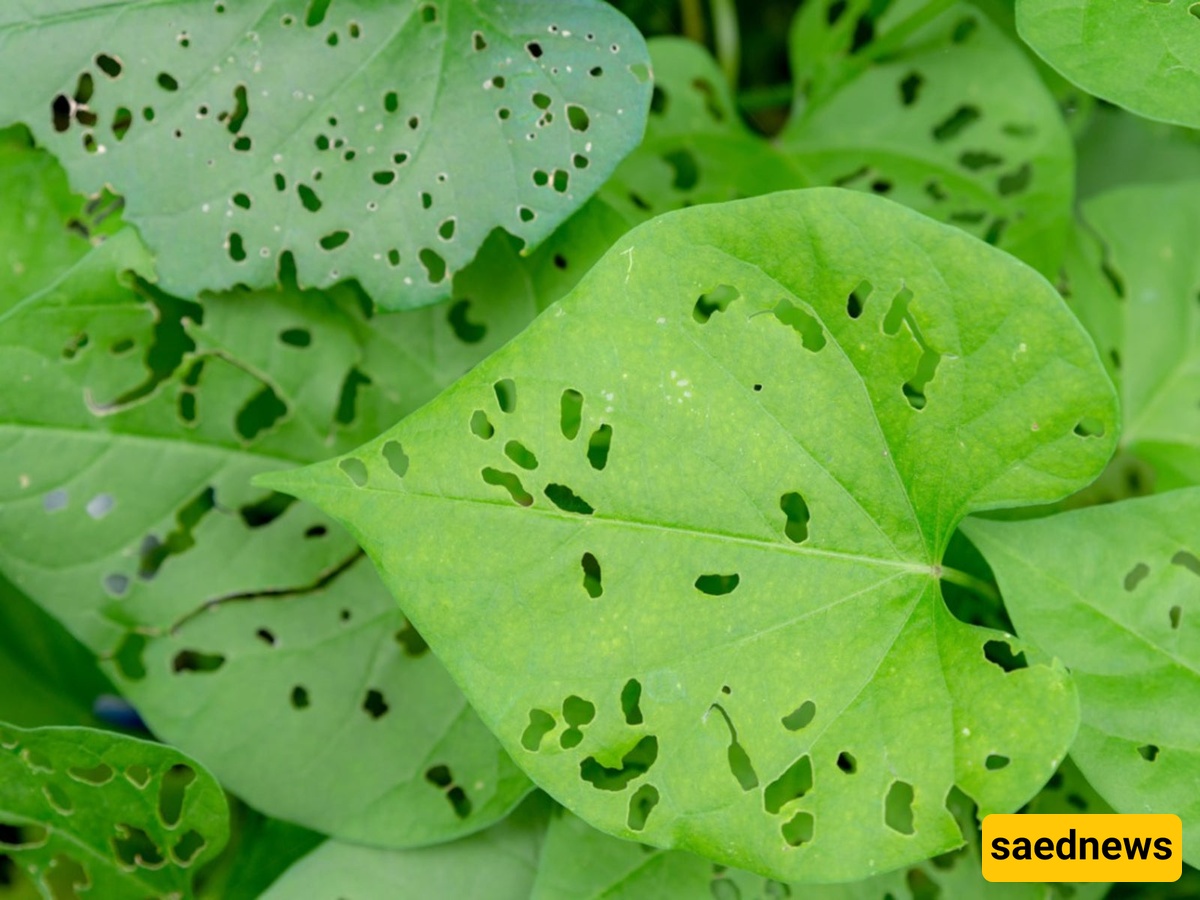
According to SAEDNEWS, finding holes in the leaves of a favorite plant often leads people to suspect insects immediately. While pests such as caterpillars, beetles, and other leaf-feeding organisms can damage plants, they are not the only possible explanation. Different environmental conditions, plant diseases, and maintenance mistakes can also create leaf damage that looks similar to insect feeding.
Several factors may cause holes or damaged areas on plant leaves, including:
• Insect activity: Chewing insects can remove parts of the leaf surface, leaving irregular holes or edges that appear eaten.
• Fungal or bacterial problems: Some plant diseases can create spots that later dry out and fall away, leaving small holes in the leaves.
• Physical damage: Strong wind, rough handling, transportation, or contact with nearby objects can tear delicate leaves.
• Environmental stress: Sudden changes in temperature, improper watering, or unsuitable growing conditions may weaken leaves and make them more vulnerable to damage.
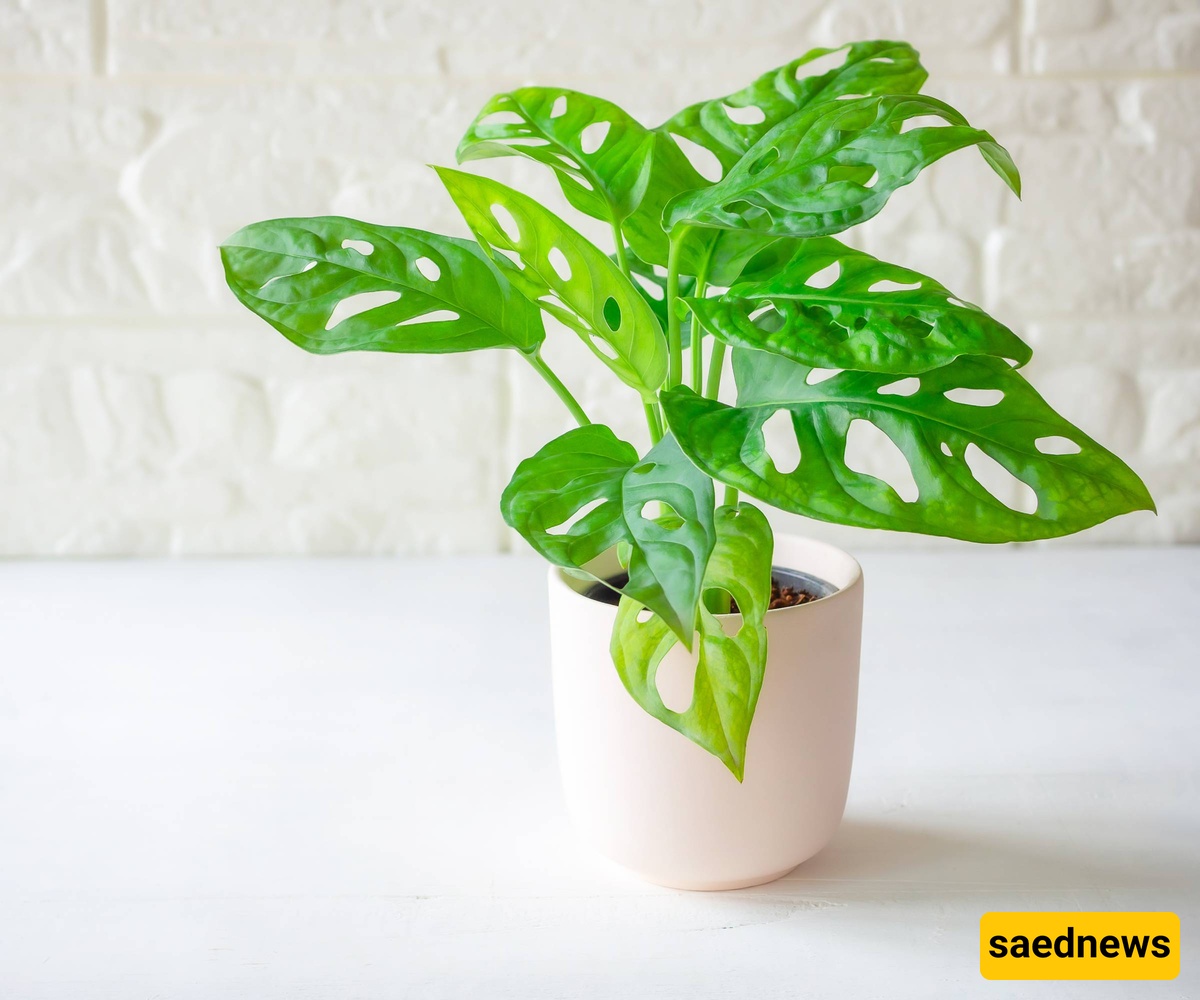
Looking closely at the damage can provide useful clues. Insect damage often has uneven edges, bite marks, or visible signs of pests on the plant. However, holes caused by diseases may appear after discolored spots develop and the damaged tissue dies.
Other signs to observe include:
The location of the damage
Fresh holes on young leaves may indicate active feeding or stress during new growth.
Older leaves with damage may reflect previous problems.
The appearance of the leaf edges
Clean tears may result from physical injury.
Irregular patterns may suggest chewing activity.
The overall health of the plant
A plant with yellowing leaves, slow growth, or widespread damage may be experiencing a larger care issue.
Even without pests, certain conditions can make leaves more likely to become damaged:
Overwatering, which may weaken roots and affect plant health.
Poor air circulation, which can increase the risk of some fungal issues.
Incorrect light conditions, especially when plants receive too much direct sunlight or insufficient light.
Nutrient imbalances that may reduce the plant’s ability to maintain healthy growth.
Before applying any treatment, it is helpful to inspect the plant carefully. Check both sides of the leaves, stems, and nearby soil for possible causes. Removing severely damaged leaves can improve appearance, but it does not solve the problem unless the underlying cause is identified.
Simple steps that may help include:
Adjusting watering based on the plant’s needs.
Providing suitable light conditions.
Keeping leaves clean and checking them regularly.
Separating a damaged plant from others if a contagious plant disease is suspected.
A hole in a leaf is a sign that something has affected the plant, but the cause is not always obvious. Careful observation is the best first step before deciding whether the problem comes from insects, disease, or growing conditions.