SAEDNEWS: Proper watering during extreme heat helps plants maintain hydration while reducing stress, evaporation, and root problems.
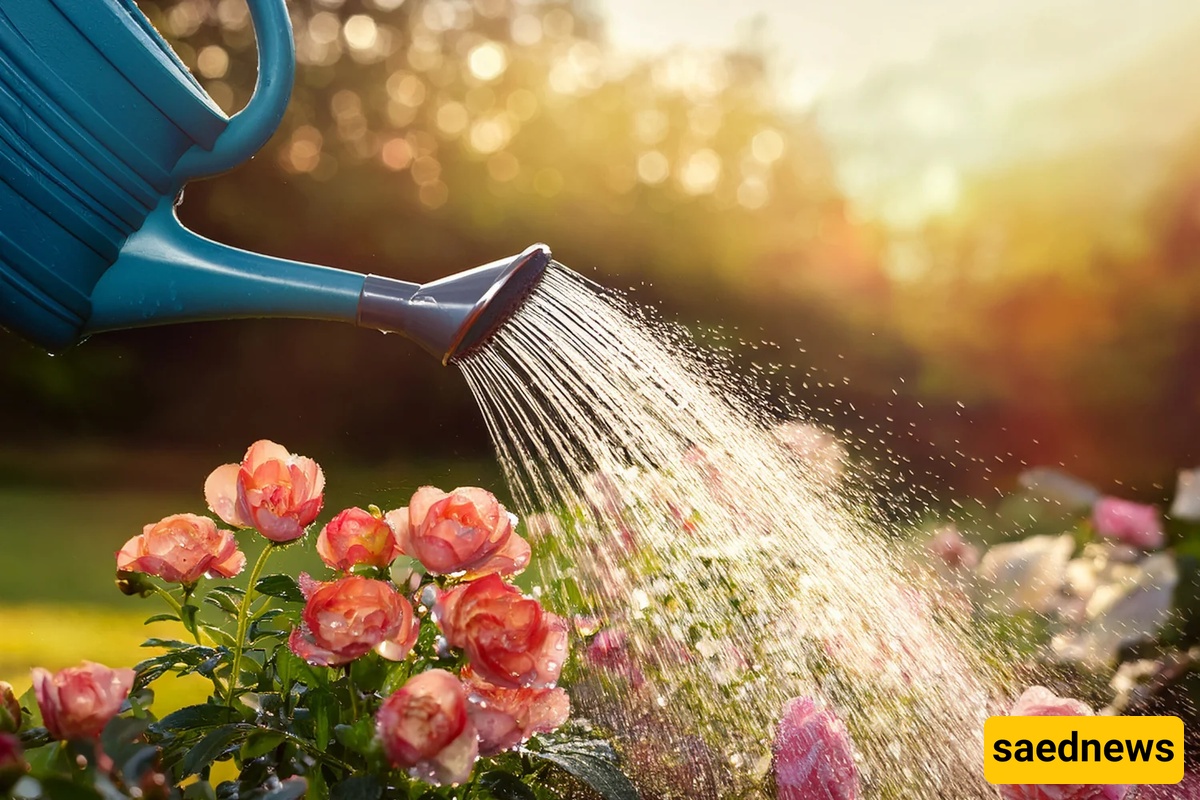
According to SAEDNEWS, plants need more careful watering during very hot weather because heat increases water loss from leaves and soil. However, simply adding more water is not always the best solution. The timing, method, and condition of the soil all affect how effectively water reaches the roots.
Watering early in the morning is generally a practical choice during hot weather. Temperatures are usually lower, and plants have time to absorb water before the strongest heat arrives. If morning watering is not possible, watering in the evening can also reduce rapid evaporation, although leaves should not remain unnecessarily wet overnight.
Avoid watering during the hottest part of the day whenever possible. Much of the water may evaporate quickly from the soil surface before the root zone receives enough moisture.
Instead of giving plants small amounts of water repeatedly, apply water slowly enough to moisten the soil around the root zone. Deep watering encourages moisture to reach the roots rather than remaining only on the surface.
A useful approach is to:
Check the soil before watering.
Water slowly around the base of the plant.
Allow the water to penetrate the soil.
Check the soil again after watering.
Adjust the frequency according to the plant, soil, container size, and weather.
Plants in containers may require more frequent attention because their limited soil volume can dry out faster than garden soil.
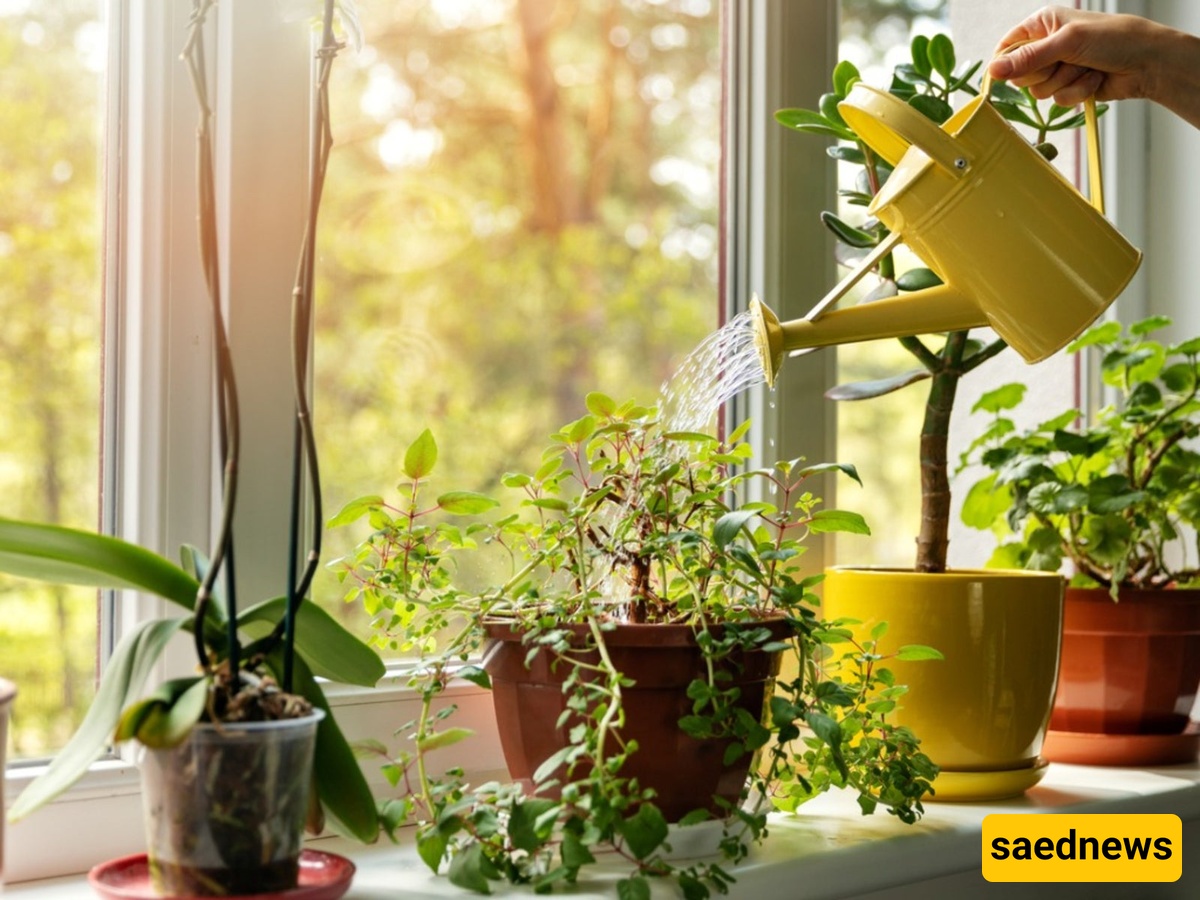
During extreme heat, some temporary leaf drooping can occur as plants respond to high temperatures. More persistent wilting, very dry soil, curling leaves, or changes in leaf condition may indicate that a plant needs attention.
At the same time, avoid assuming that every wilted plant needs more water. Waterlogged soil can also damage roots and reduce the air available around them. Always check the soil before adding more water.
Reducing evaporation can make watering more effective. A suitable layer of organic mulch around outdoor plants can help keep the soil cooler and slow moisture loss. Keep mulch slightly away from the plant stem or trunk to avoid creating persistently damp conditions around the base.
For potted plants, placing containers away from intense reflected heat and hot surfaces can also help reduce excessive drying.
• Watering only the soil surface
• Adding water without checking soil moisture
• Watering during the hottest hours whenever it can be avoided
• Keeping container soil constantly saturated
• Treating every plant as if it has the same water requirements
The best watering routine depends on the plant species, container or garden conditions, soil type, sunlight exposure, and severity of the heat. During very hot days, regular observation is more useful than following a rigid watering schedule.