SAEDNEWS: Several plants can thrive in shallow pots when their roots are naturally compact or the container provides enough room for healthy growth.
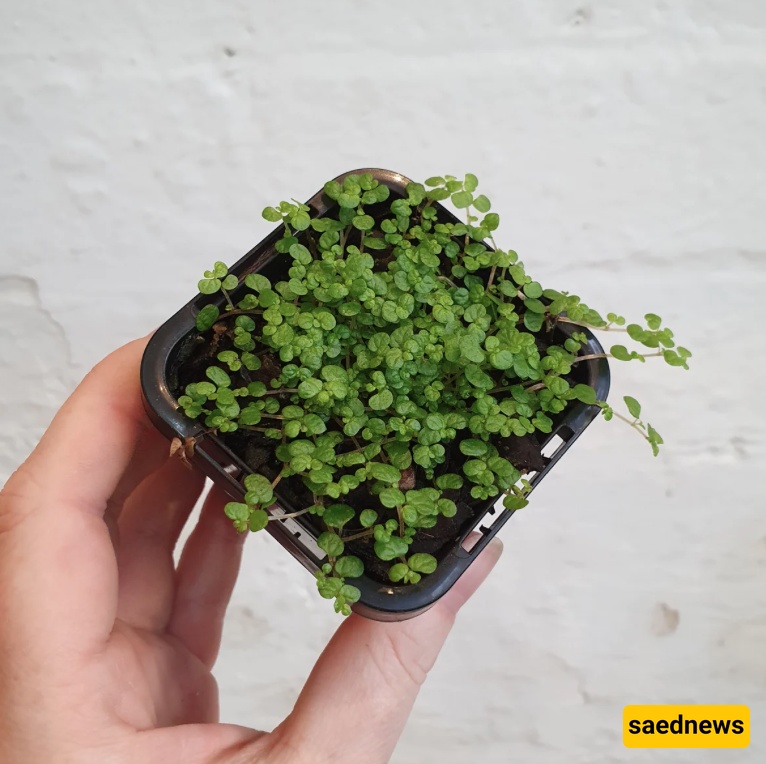
According to SAEDNEWS, choosing plants for a shallow pot requires more than simply looking at the plant’s size. The depth of the container should match the plant’s root system, while drainage, watering needs, and available light also affect long-term growth. Some plants are particularly well suited to containers that are wider than they are deep.
Good options include:
Succulents: Many small succulents have relatively shallow root systems and can grow comfortably in low containers with excellent drainage.
Small cacti: Compact cactus varieties generally need limited root space and are suitable for shallow pots when excess water can drain freely.
Herbs: Several commonly grown herbs can perform well in moderately shallow containers, particularly when they are harvested regularly and have adequate light.
Small leafy plants: Compact foliage plants with less extensive root systems may adapt well to shallow containers indoors.
Sedum: Many sedum varieties have relatively shallow roots and spread horizontally, making them suitable for low containers.
Small ornamental grasses: Certain compact varieties can grow in wide, shallow containers, although the exact depth required depends on the species.
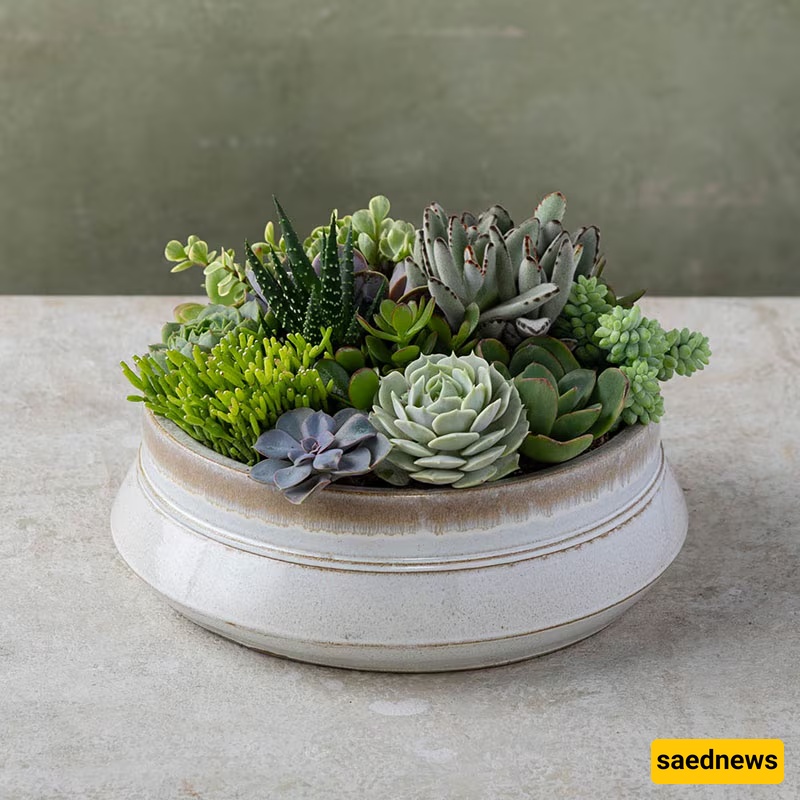
The width of the container can be as important as its depth. A wider pot provides more horizontal space for roots and can be useful for plants that naturally spread rather than develop deep root systems.
Drainage is especially important. A shallow pot can dry out relatively quickly because it contains less growing medium, while poor drainage can leave roots sitting in excess moisture. A container with drainage holes and a suitable growing medium helps maintain a healthier balance.
Before planting, consider three basic factors:
Root structure: Plants with naturally shallow or compact roots are generally better candidates.
Mature size: A plant that eventually becomes large may outgrow a shallow container even if it starts well in one.
Water requirements: Shallow containers may need more frequent monitoring because their limited soil volume can dry faster.
A shallow pot can be an excellent choice for compact plants, especially on windowsills, shelves, balconies, or other spaces where deep containers are inconvenient. The key is to match the container to the plant rather than assuming that every small plant needs only a small amount of soil.