SAEDNEWS: Curled or distorted leaves can signal watering problems, unsuitable light or temperature, pests, or other growing stresses.
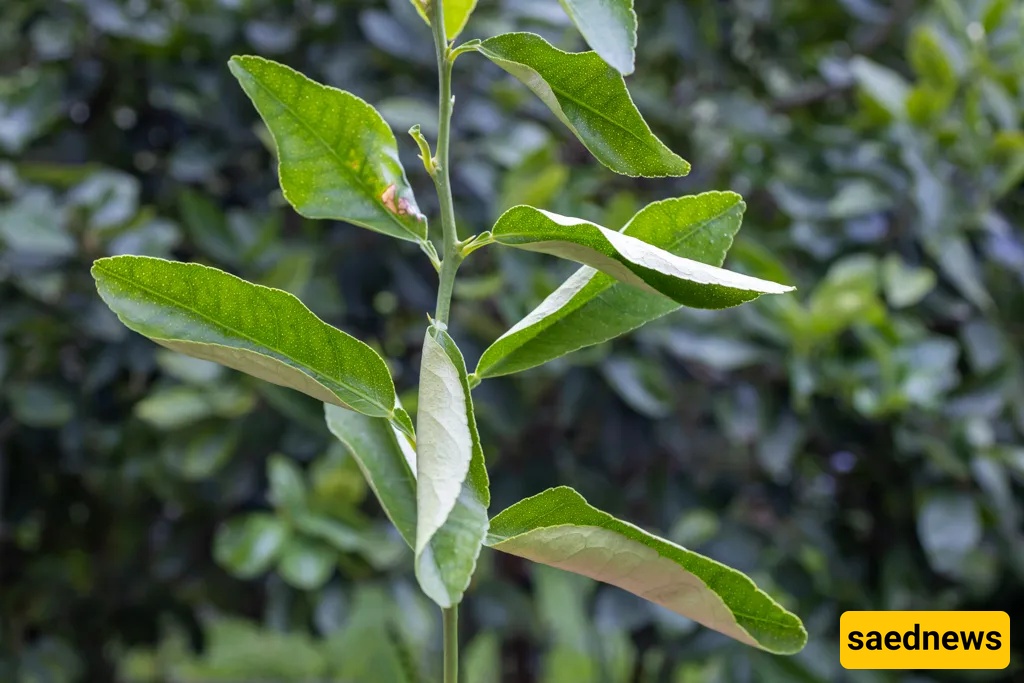
According to SAEDNEWS, leaves usually curl when a plant is responding to environmental stress. The change may affect the edges, the entire leaf, or new growth, and the cause is not always the same. Looking at the soil, light, temperature, watering routine, and leaves themselves can help identify the likely problem.
Several conditions can make leaves lose their normal shape:
Watering problems: Both insufficient water and consistently waterlogged soil can stress roots and affect normal leaf development. A plant that is too dry may curl or droop its leaves, while excess moisture can damage roots and interfere with water uptake.
Heat and dry air: High temperatures and low humidity can increase water loss from leaves. Some plants respond by curling their leaves or changing their orientation.
Unsuitable light: Very intense light, especially when combined with heat, can contribute to leaf stress. On the other hand, insufficient light may weaken new growth and alter the plant's normal appearance.
Pests: Small sap-feeding pests such as aphids and spider mites can damage leaves and cause curling, distortion, or discoloration.
Temperature changes: Sudden shifts between warm and cold conditions can stress sensitive plants, particularly when they occur repeatedly.
Root problems: Damaged, crowded, or poorly functioning roots may prevent the plant from taking up enough water and nutrients, even when the soil appears moist.
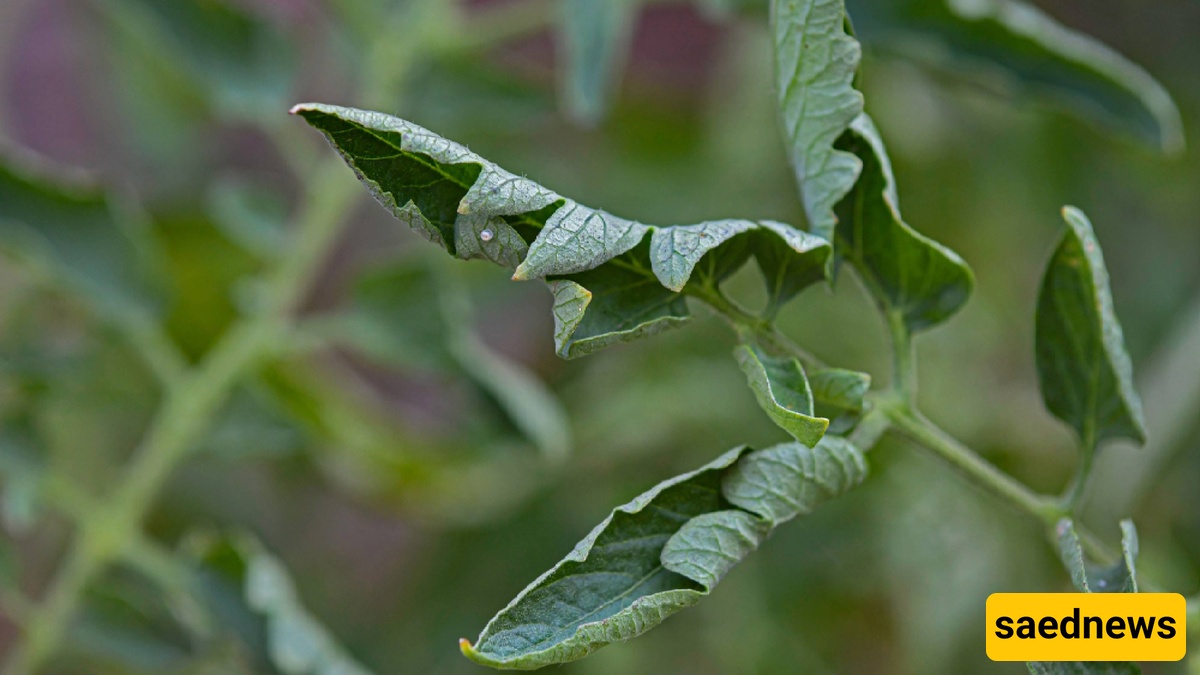
The location and appearance of the curling can provide useful clues. New leaves that emerge twisted or unusually narrow may point toward pests or problems affecting new growth. Older leaves curling while the soil is very dry are more consistent with water stress. If curling appears together with yellowing, spots, sticky residue, fine webbing, or visible insects, inspect the plant carefully for pests or other damage.
Instead of immediately adding fertilizer or changing several conditions at once, check the plant systematically:
Feel the soil several centimeters below the surface rather than judging moisture only by appearance.
Inspect both sides of the leaves and the growing tips for insects, eggs, webbing, or unusual marks.
Check the light exposure and consider whether the plant receives excessive direct sunlight or too little light.
Look at the temperature and airflow around the plant, especially if it is close to a heater, air conditioner, cold window, or strong draft.
Examine the roots if other signs suggest a root problem, particularly when the soil stays wet for long periods.
Avoid making several major changes simultaneously. Once the most likely stress is identified, correct that condition gradually and observe whether new growth begins to develop normally. Existing distorted leaves may not return completely to their original shape, so the appearance of healthy new growth is often more useful when judging recovery.