SAEDNEWS: Netanyahu Escalates Anti-Iran Rhetoric as Far-Right Coalition Falls Behind in Polls
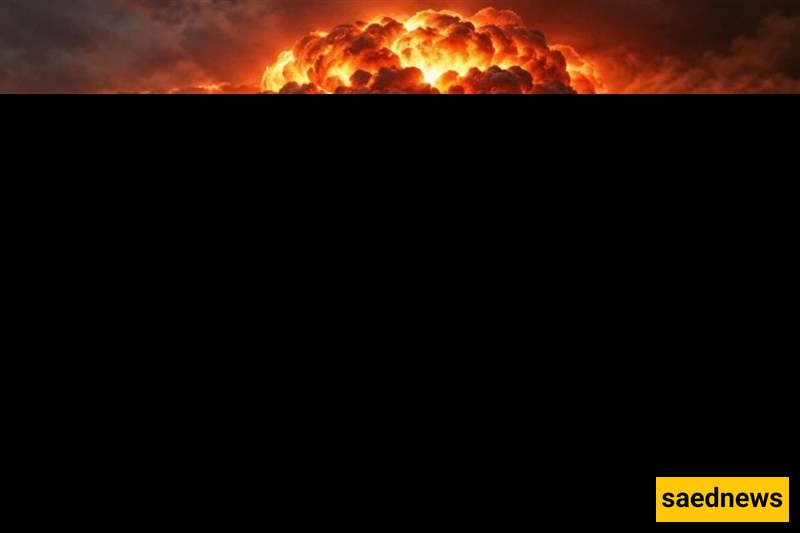
According to Saednews, Netanyahu has intensified warnings of existential threats and reportedly pressured Israel’s military to consider action against Iran as his far-right coalition faces the prospect of losing power in Tuesday’s closely contested election. The developments have raised concerns that renewed regional escalation is becoming a central element of his political campaign.
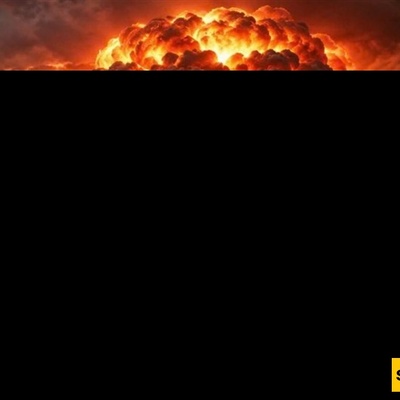
The Israeli prime minister has sought to portray the election as a choice between his continued leadership and national catastrophe. He posted an AI-generated image depicting a nuclear mushroom cloud destroying Tel Aviv and warned voters of the consequences of supporting his opponents.
Meanwhile, Israel’s Channel 12 reported that Netanyahu and the military’s chief of staff, Lieutenant General Eyal Zamir, had clashed in recent days over a directive that could “potentially spark an immediate conflagration with (Iran) at a very sensitive juncture”.
Zamir reportedly requested that the unspecified directive be submitted to him in writing.
Netanyahu denied the report, while the war ministry subsequently denied any intention to launch military operations against Iran.
However, CNN reported on Monday that Netanyahu had attempted in recent weeks to persuade US President Donald Trump to launch a renewed assault on Iran, reigniting the war the two aggressors began in February.
The report, which corroborated an earlier account by the Financial Times, said Trump had ruled out such action until after next week’s US congressional elections.
In a statement issued on Monday, the Israeli military stopped short of directly denying the reports, saying its decisions were based exclusively on “security, professional, objective and national considerations”.
Netanyahu’s renewed alarmist rhetoric contrasts sharply with his triumphant declarations following Israeli and US aggression against Iran last year and this spring.
In March, Netanyahu claimed that Israeli and US strikes had destroyed Iran’s capacity to enrich uranium and produce ballistic missiles. In 2025, he declared a “historic victory” over Iran, which he said would endure for generations.
His latest warnings, however, suggest that the perceived threat posed by Iran’s military and nuclear capabilities remains central to his campaign messaging, despite his earlier claims of a decisive victory.
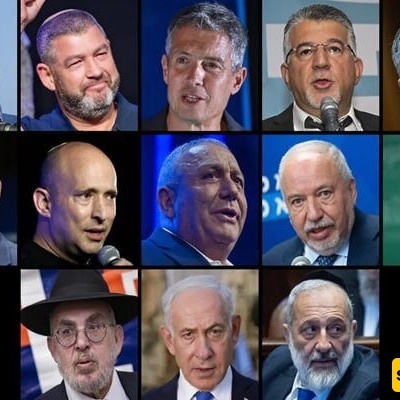
Gadi Eisenkot, the opposition bloc’s leader and Netanyahu’s most likely challenger for the premiership, expressed confidence in Zamir and cautioned against using the military for political purposes.
“We won’t allow the IDF to be turned into a pawn in Netanyahu’s survival campaign,” Eisenkot, a retired general, said.
Most opinion polls suggest that the mainly centre-right opposition bloc led by Eisenkot is poised to win more seats in Israel’s Knesset than Netanyahu’s coalition. However, neither side is expected to secure the 61 seats needed for a parliamentary majority.
The opposition could potentially form a majority with the support of parties representing Palestinians holding Israeli citizenship, who account for roughly one-fifth of the population. However, conservative factions within Eisenkot’s bloc have ruled out such an alliance, raising the possibility of a minority government, another election or a political comeback for Netanyahu.
As election day approaches, Netanyahu has increasingly portrayed the political contest as a struggle for the survival of the regime.
He has labelled the opposition bloc as the “left” allied with Palestinians and depicted this combination as a threat to Israel.
However, the main opposition parties are right-wing or centre-right and share Netanyahu’s firm opposition to establishing a Palestinian state. They have also largely supported Israel’s genocidal war in Gaza, where the Israeli regime’s military campaign has drawn international condemnation over widespread destruction and mounting civilian suffering.
Some opposition leaders have rejected any political alliance with Palestinian Israeli parties, despite the possibility that these parties could hold the balance of power in the Knesset after the election.
The opposition bloc is united primarily by its opposition to Netanyahu, who has dominated Israeli politics for nearly three decades and increasingly pursued measures that critics say undermine democratic institutions.
His government has sought to restrict judicial independence and turn the police and the Shin Bet domestic security service into political instruments.
Netanyahu is also standing trial on corruption charges, and his legal troubles could intensify if he loses power.
In the final days of the campaign, he has also highlighted his backing from Trump, who reiterated his endorsement in a social media post on Sunday.
“When you go to the Polls please remember that Bibi has been an outstanding warrior prime minister!” Trump wrote.
According to the Israeli outlet Walla News, the renewed endorsement came after sustained pressure from Netanyahu’s office. It remains unclear whether Trump’s support will influence voters, as his earlier declaration of “total endorsement” on October 18 produced no apparent change in polling.
Beyond security concerns, Netanyahu has also warned that Israel faces growing economic isolation, predicting that billions of dollars in annual US military aid could soon dry up.
His repeated suggestion that cryptocurrencies could help Israel circumvent increasingly stringent international sanctions prompted an unusual public rebuke from the Bank of Israel on Sunday evening.