SAEDNEWS: Among nuts, macadamia nuts and hazelnuts are particularly popular. This article explores the key differences between macadamia nuts and hazelnuts to help you make an informed choice.

According to Saednews, Among the many types of nuts, macadamia nuts and hazelnuts hold a special place. Both are flavorful, energy-rich nuts containing healthy fats, and they are often served together at home and at gatherings. But did you know that these two nuts differ in several fundamental ways?
Understanding the differences between macadamia nuts and hazelnuts can help you make smarter purchasing decisions and better understand their nutritional benefits, culinary uses, and economic value.
Many people distinguish these nuts based solely on their appearance or taste. However, their differences extend far beyond these characteristics, encompassing their botanical origins, physical structures, nutrient compositions, and overall costs.
In this article, we will compare these two popular nuts from several perspectives to provide a clear and comprehensive understanding of their similarities and differences.
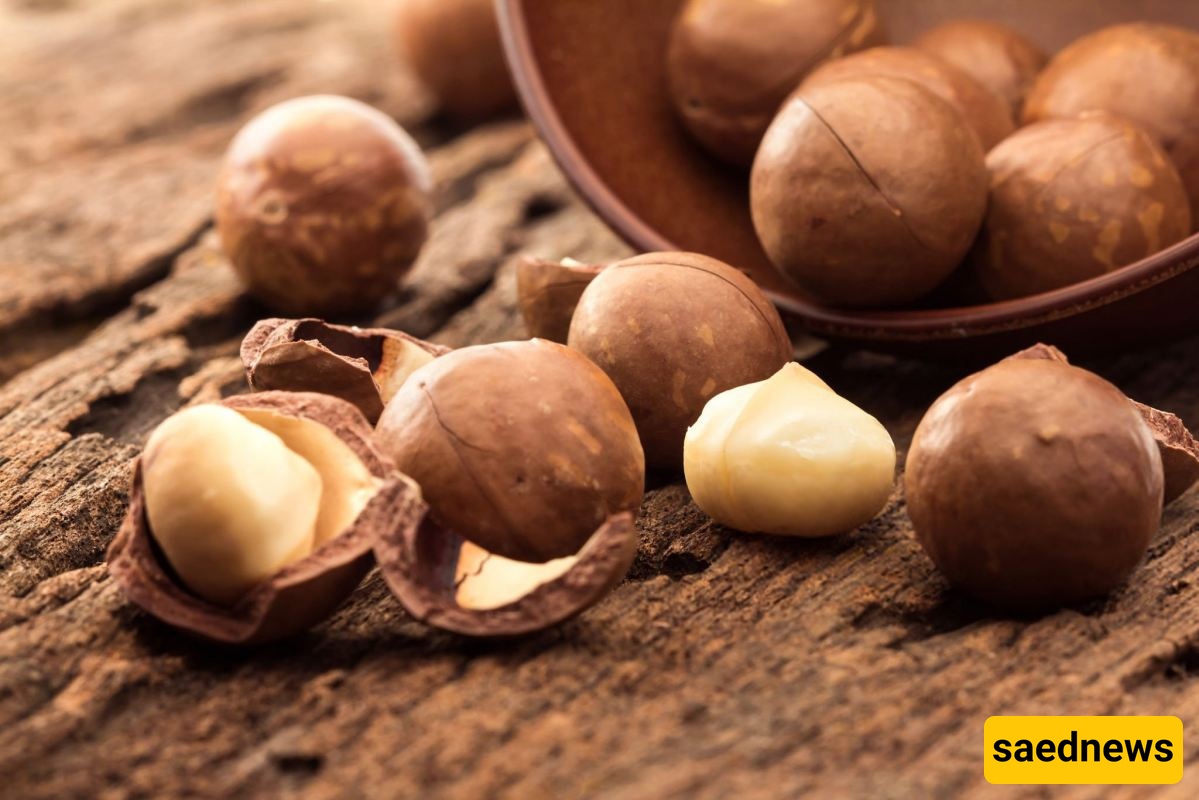
Macadamia nuts come from evergreen trees belonging to the Proteaceae family, originally native to Australia. Today, these trees are also cultivated in regions such as Hawaii, South Africa, Kenya, and parts of South America.
Macadamia nuts are typically round, relatively large, and creamy white in color. They have extremely hard shells that require specialized equipment to crack.
One important characteristic of macadamia trees is that they take a long time to produce commercial yields. Generally, it takes seven to ten years for a tree to reach economically viable production. This, combined with limited growing regions and challenging processing requirements, makes macadamia one of the most expensive edible nuts in the world.
Macadamia nuts have a naturally buttery, mild, slightly sweet flavor and a crunchy yet oily texture.
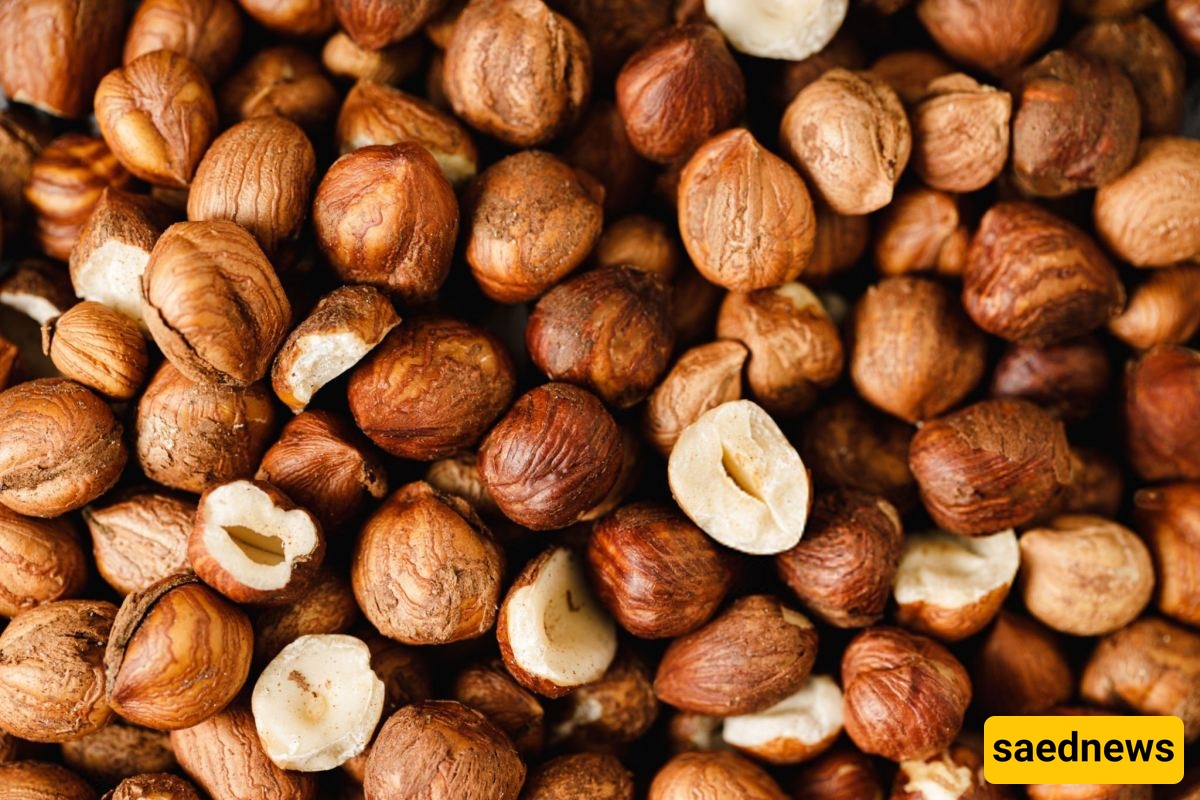
Hazelnuts grow on shrubs or small trees belonging to the birch family, with origins associated with temperate regions of Europe and Asia Minor. Countries such as Turkey, Italy, and Spain are among the world's largest hazelnut producers.
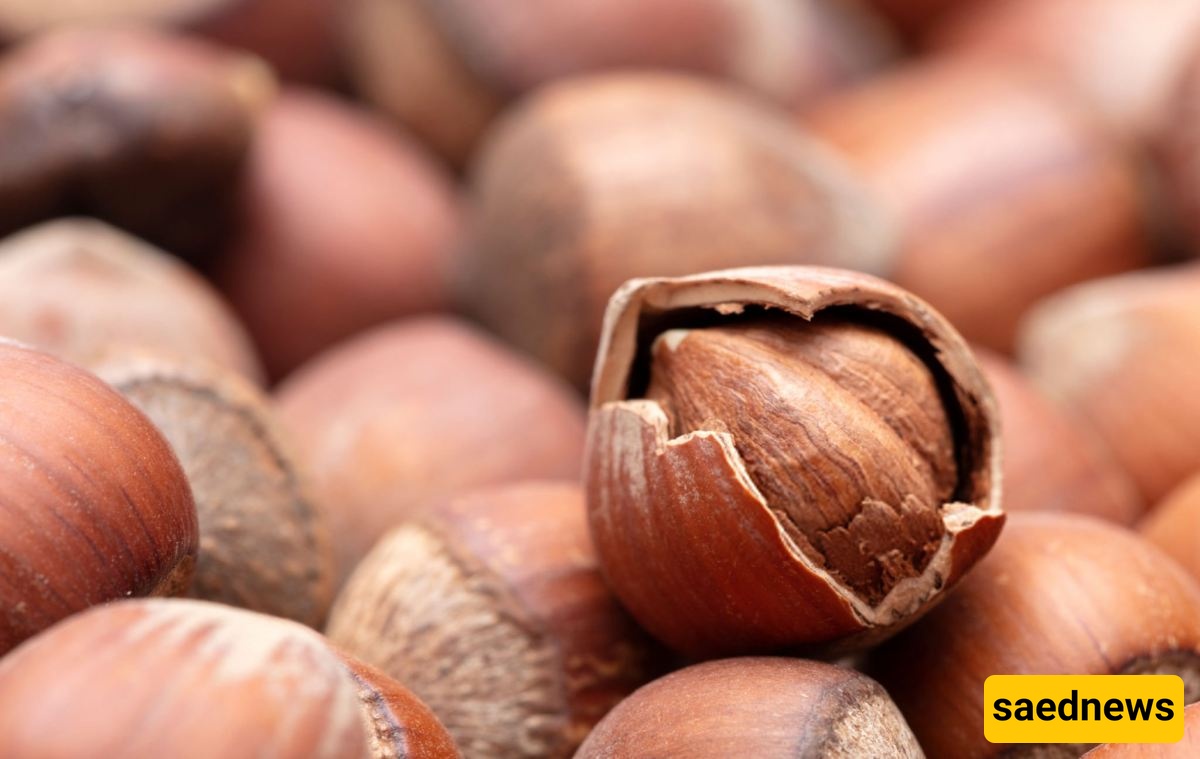
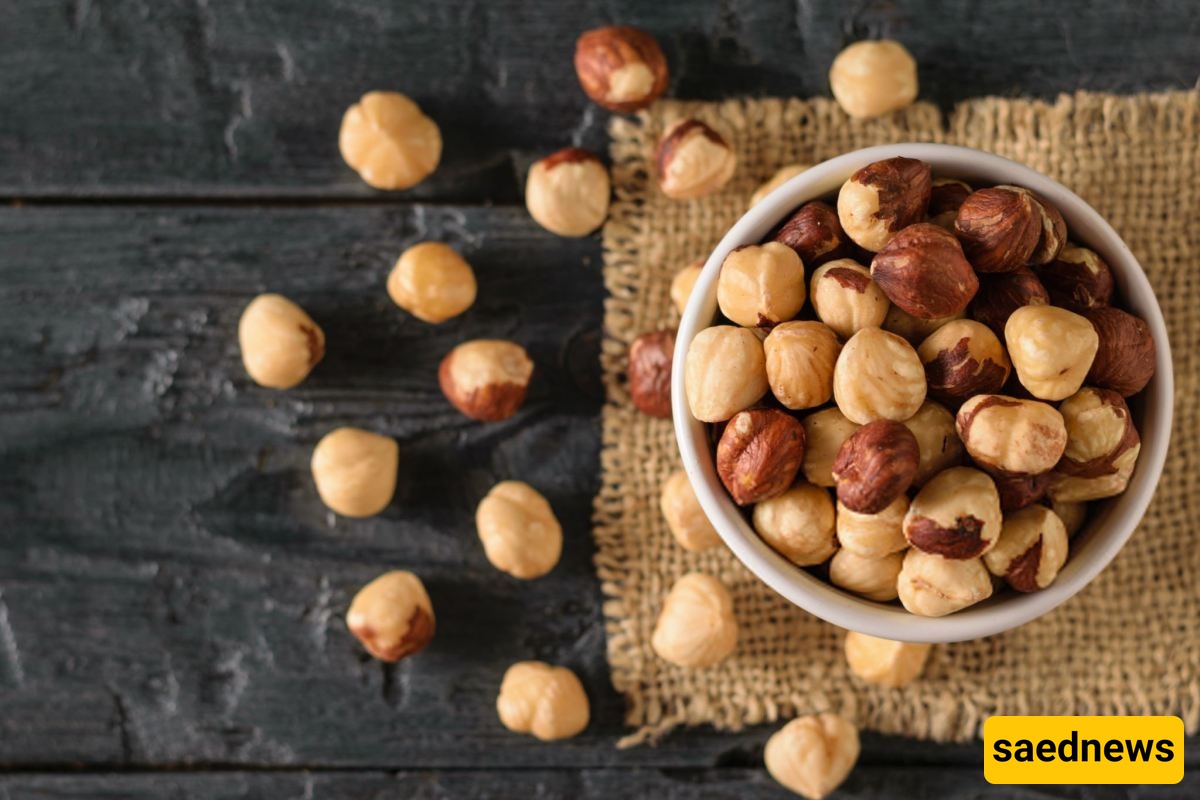
Hazelnut shells are relatively thinner than macadamia shells, and the kernels develop a rich aroma and a sweet, slightly tangy flavor when roasted.
Hazelnut trees begin producing crops sooner than macadamia trees, helping explain their wider availability and more affordable prices. Hazelnuts are extensively used in the food industry, from chocolate and pralines to nut spreads and hazelnut oil.
In Iran, hazelnuts are also a popular component of mixed nuts and are cultivated in mountainous regions such as Eshkevarat and Arasbaran.
The most obvious difference between macadamia nuts and hazelnuts is their appearance and shape.
Macadamia kernels are generally round and larger, sometimes exceeding two centimeters in diameter. They have a light cream color and a smooth, uniform surface. Hazelnuts, by contrast, tend to be smaller and oval or elongated, with a slightly pointed end.
Their shells also differ significantly. Macadamia shells are exceptionally thick and hard, often requiring specialized tools to crack. Hazelnut shells are thinner and more brittle, making them easier to open with a household nutcracker.
The interior texture of macadamia nuts is uniform, dense, and particularly rich in oil, whereas hazelnuts have a slightly drier, more granular texture.
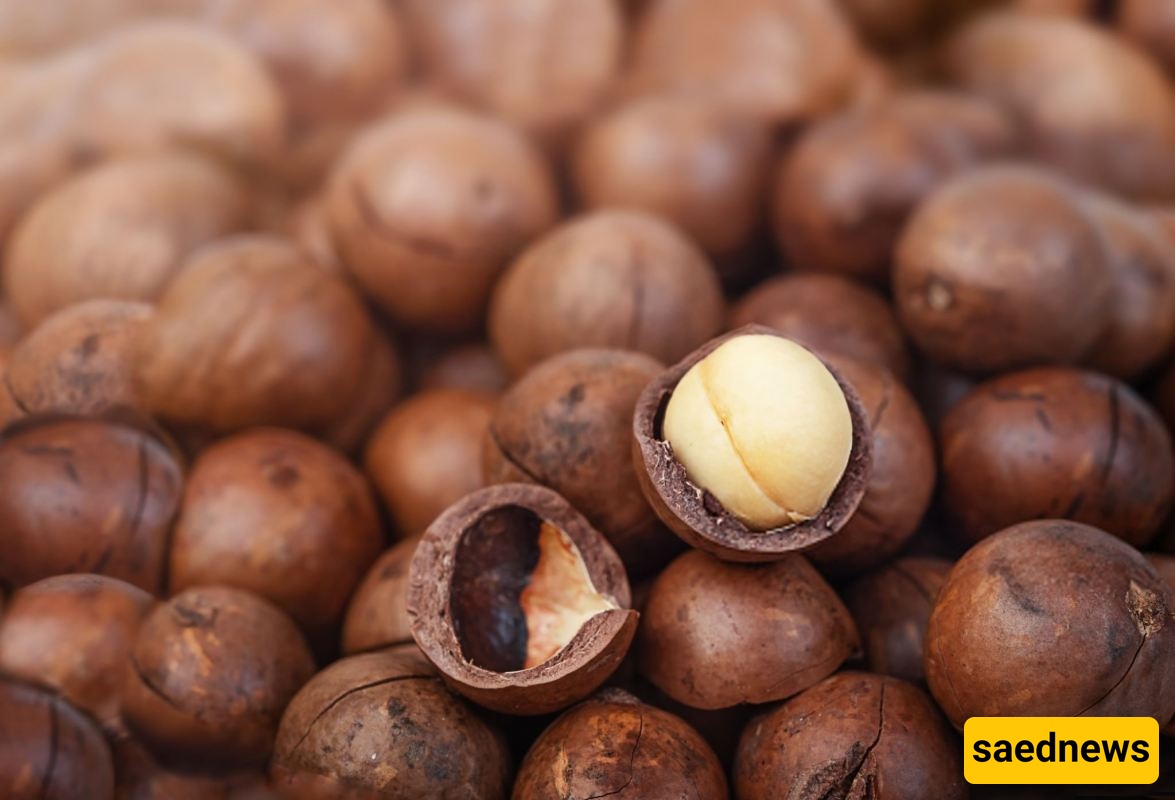
Macadamia nuts are among the most calorie-dense edible nuts in the world. One hundred grams of macadamia nuts provide approximately 700–720 kilocalories, compared with around 620–630 kilocalories for the same amount of hazelnuts. Most of this energy comes from healthy fats.
Interestingly, the types of fats in these nuts differ. Macadamia nuts are rich in monounsaturated fatty acids, particularly palmitoleic acid, a fat found in lower amounts in many other nuts.
Hazelnuts are also high in monounsaturated fats, but oleic acid is their predominant fatty acid. Both types of fat are generally considered beneficial for cardiovascular health when they replace saturated fats in the diet.
Hazelnuts have the advantage when it comes to protein and fiber.
Every 100 grams of hazelnuts contains approximately 15 grams of protein, while macadamia nuts provide around 8 grams. Hazelnuts also contain more fiber, supplying approximately 9–10 grams per 100 grams, compared with around 8 grams in macadamia nuts.
Therefore, people looking for nuts with higher protein and fiber content may find hazelnuts a more suitable choice.
Hazelnuts are an excellent source of vitamin E, which helps protect cells against oxidative damage. They also provide good amounts of manganese, copper, and thiamine (vitamin B1).
Macadamia nuts are also rich in thiamine and manganese, although hazelnuts generally offer a somewhat broader range of micronutrients.
Macadamia nuts, meanwhile, contain very little sodium and provide a useful amount of potassium, which plays a role in regulating blood pressure.
Macadamia nuts have a mild, buttery, slightly sweet flavor and a smooth texture that seems to melt in the mouth. These qualities make them popular in premium baked goods, luxury chocolates, ice cream, and macadamia oil. Eating them raw or lightly roasted allows their delicate flavor to shine.
Hazelnuts, on the other hand, have a stronger, sweeter, slightly astringent flavor. Roasting intensifies their distinctive aroma.
They are a key ingredient in many nut-filled chocolates and hazelnut spreads and are widely used in baking, praline production, and even Middle Eastern cuisine.
In short, macadamia nuts are often associated with luxury and indulgence, while hazelnuts are versatile ingredients used in a wide variety of foods.
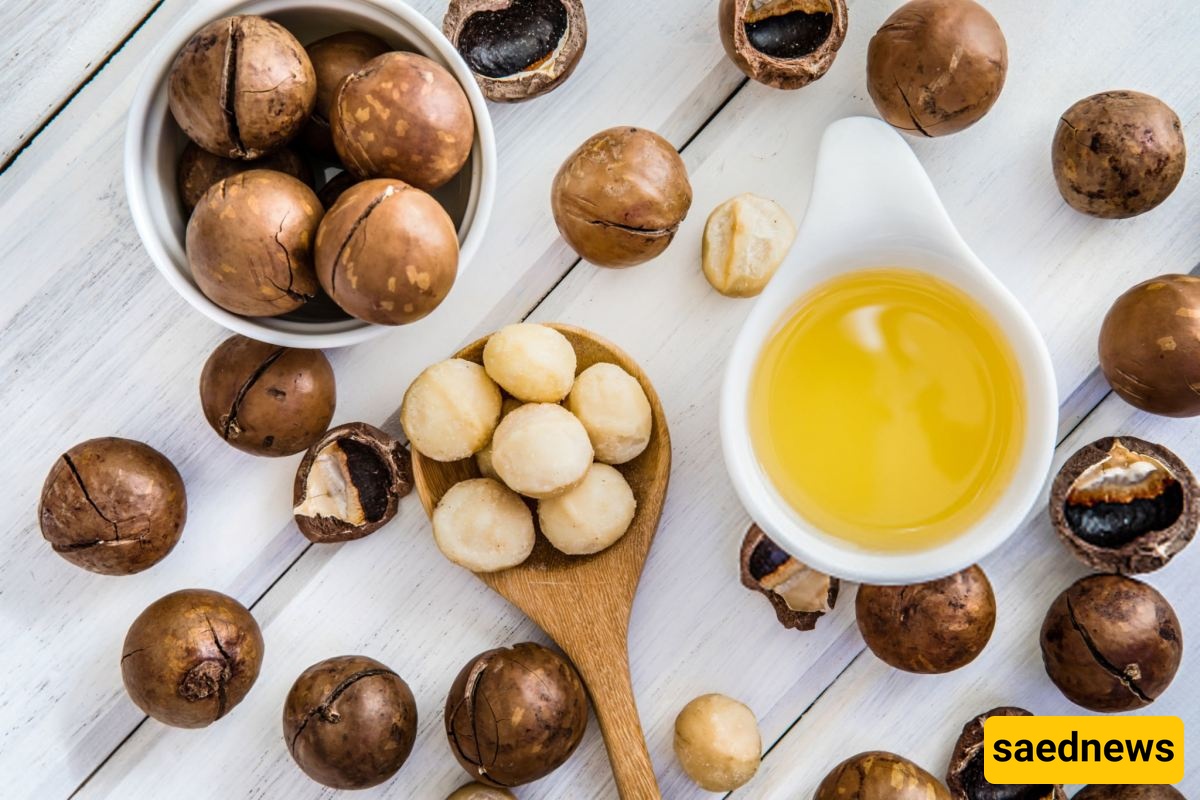
Price is one of the most noticeable differences between these two nuts.
Macadamia nuts are considerably more expensive because their trees take longer to produce commercial crops, require specific growing conditions, and present challenges during harvesting and shell processing.
In many markets, macadamia nuts cost several times more than hazelnuts. Hazelnuts are more widely available thanks to large-scale production in countries such as Turkey and their adaptability to a broader range of climates. As a result, they are generally a more economical option for everyday consumption.
Both nuts can support heart health because they contain healthy fats, fiber, and antioxidants. They may also help improve blood lipid levels and contribute to a healthy dietary pattern.
However, because they are calorie-dense, moderation is important. A serving of approximately 20–30 grams per day is a reasonable amount for many people.
Regarding food allergies, hazelnuts are a common tree-nut allergen. People with pollen allergies may also experience oral allergy syndrome after eating hazelnuts. Macadamia allergies are less common, but they can still occur.
Both nuts should be stored in airtight containers in a cool environment. Their high fat content makes them susceptible to rancidity and flavor deterioration when exposed to heat and moisture.
The differences between macadamia nuts and hazelnuts go far beyond their appearance and flavor. They also differ in botanical origin, nutritional composition, culinary applications, and price.
Macadamia nuts are a premium, buttery, calorie-dense option originating from Australia. Their demanding growing and processing requirements contribute to their higher price.
Hazelnuts, by contrast, are aromatic, widely consumed, and rich in protein and vitamin E. Their versatility makes them indispensable in both home cooking and the food industry.
Ultimately, choosing between the two depends on your taste preferences, budget, and nutritional goals. If you prefer a mild flavor and a luxurious eating experience, macadamia nuts are an appealing option. If you want an affordable, versatile nut with more protein and vitamin E, hazelnuts may be the smarter choice.
Either way, including moderate amounts of both nuts in a balanced diet can add variety and nutritional value.