SAEDNEWS: Scientists use several methods to estimate a tree’s age, with tree rings being one of the most reliable techniques. By examining growth patterns, researchers can learn about a tree’s age and past environmental conditions.
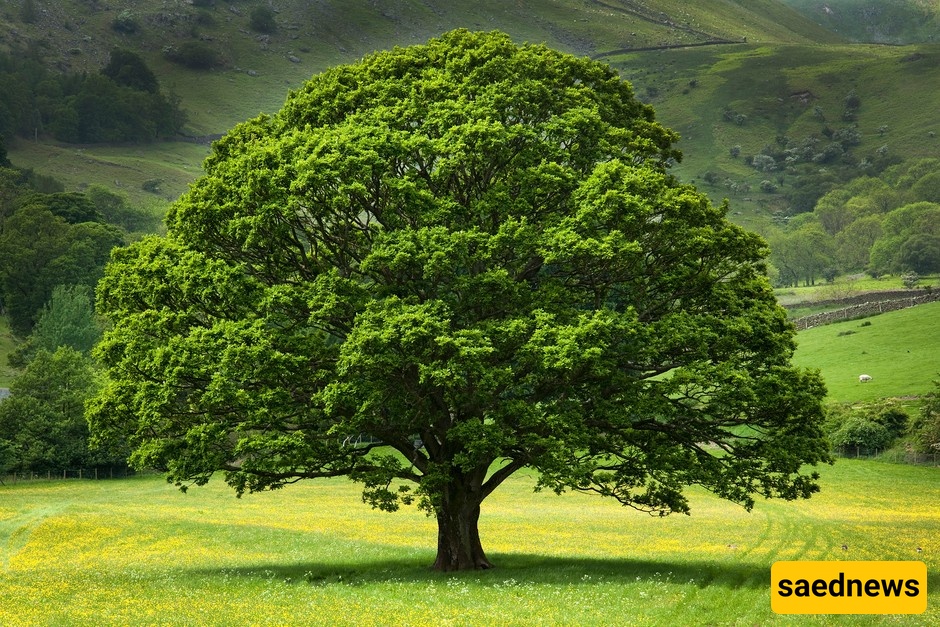
According to SAEDNEWS, scientists commonly determine a tree’s age by examining its annual growth rings. In many trees, a new ring forms during each growing season. Counting these rings can provide an estimate of how many years the tree has been growing.
When a tree is cut down, scientists can examine the rings on the cross-section of its trunk. Wider rings generally indicate years when growing conditions were favorable, while narrower rings may reflect periods of limited water, colder conditions, or other environmental challenges.
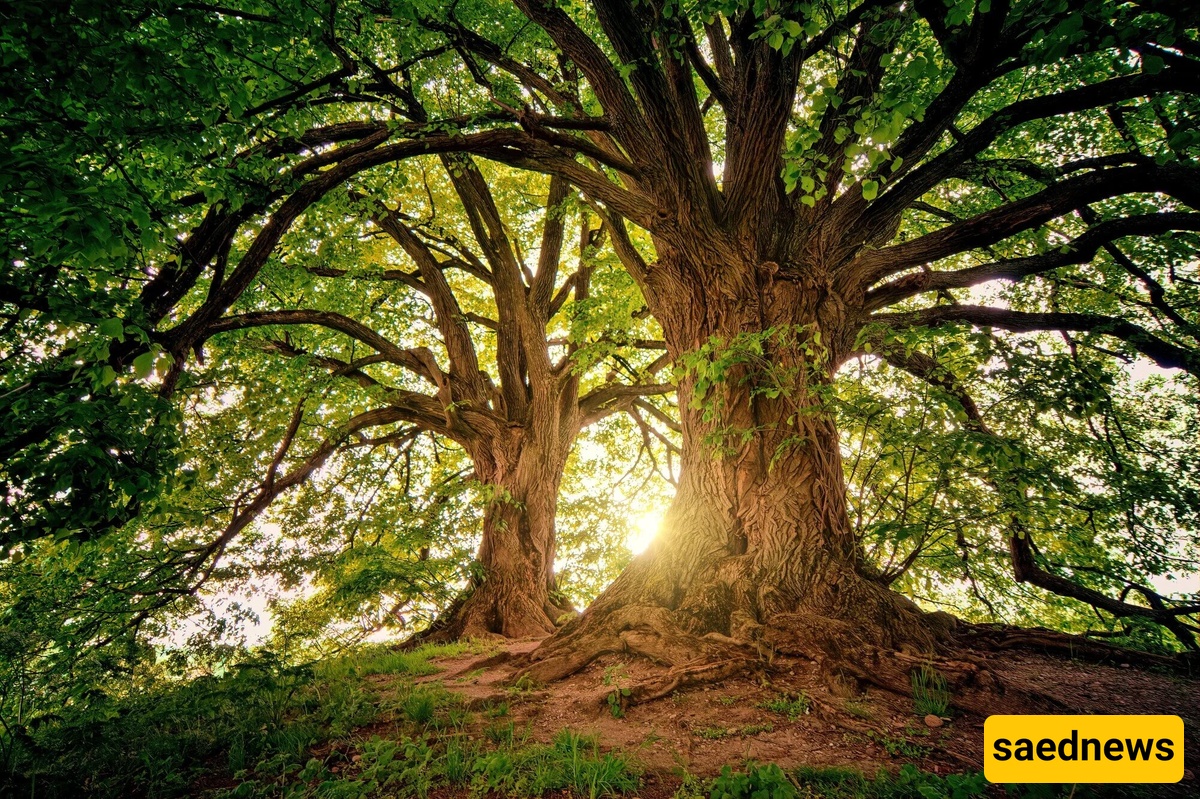
Scientists can also estimate the age of a living tree without cutting it down. A special tool called an increment borer can remove a narrow core from the trunk. Researchers count the rings in the core and use them to estimate the tree’s age while causing relatively little damage.
In some cases, counting rings is not enough because trees may grow differently depending on their species and environment. Scientists can compare ring patterns from different trees in the same region to identify matching growth periods. This process helps establish reliable timelines for older trees.
Other clues can also help estimate a tree’s age, including its size, growth rate, species, and environmental history. However, tree-ring analysis is especially valuable because it can provide information about both the tree’s approximate age and the conditions it experienced throughout its life.