SAEDNEWS: Winter can make plant leaves drier due to low humidity, cold temperatures, reduced sunlight, and indoor heating. These conditions can increase moisture loss and affect water absorption.
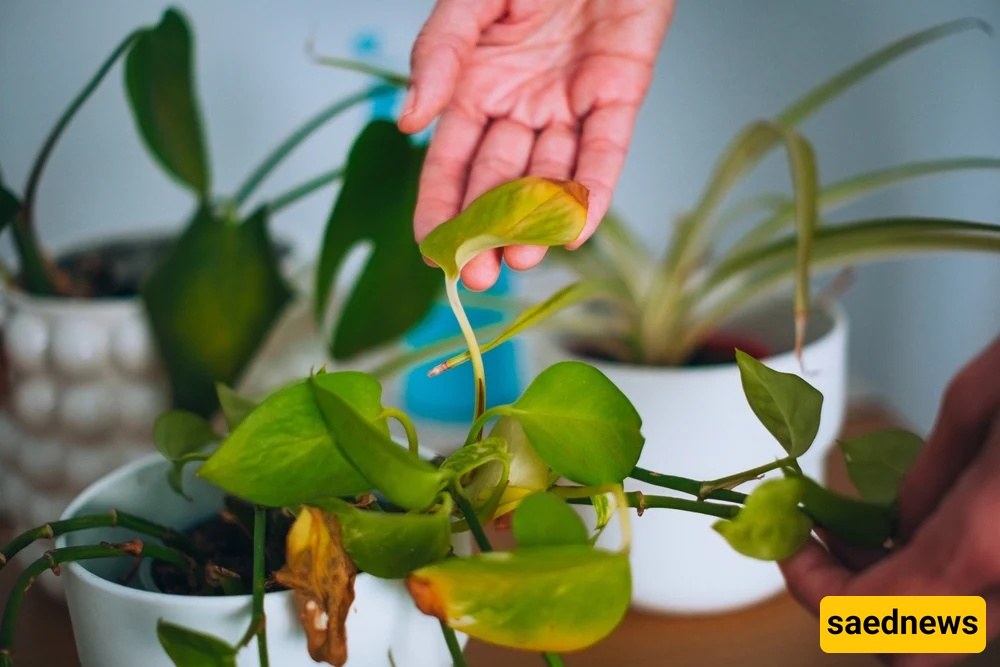
According to SAEDNEWS, winter air can create challenging conditions for plants because humidity often decreases, especially indoors. Heating systems can make the surrounding air even drier, causing water to evaporate more quickly from the leaves. Plants that normally thrive in humid environments may therefore develop dry edges, crispy tips, or a generally less fresh appearance.
Cold temperatures can slow down many plant processes, including water absorption through the roots. Even when the soil contains enough moisture, a plant may not move water as efficiently as it does during warmer months. As a result, leaves can receive less moisture and gradually become dry or brittle.
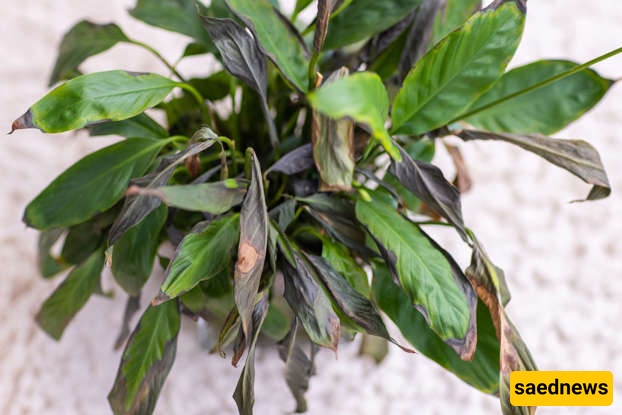
Winter usually brings shorter days and weaker sunlight. With less light available, plants often reduce their growth and use water differently. Lower light levels can also affect photosynthesis, which may change the plant’s overall water requirements. Continuing a summer watering routine without considering these changes can create additional problems.
Plants kept near heaters, radiators, or warm air vents may lose moisture faster. Direct exposure to warm, dry air can particularly affect the edges and tips of leaves. Moving plants away from direct heat sources and maintaining suitable humidity around them can help reduce excessive dryness.
Adjusting plant care to the season can make a noticeable difference. Check the soil before watering instead of following a fixed schedule, and avoid placing plants directly beside heating equipment. Providing suitable light and maintaining moderate humidity can also help. Removing severely damaged leaves and paying attention to changes in soil moisture can support healthier growth until warmer conditions return.