SAEDNEWS: Houseplants can naturally increase indoor humidity by releasing moisture into the air. Their effect depends on plant type, number, ventilation, and watering.
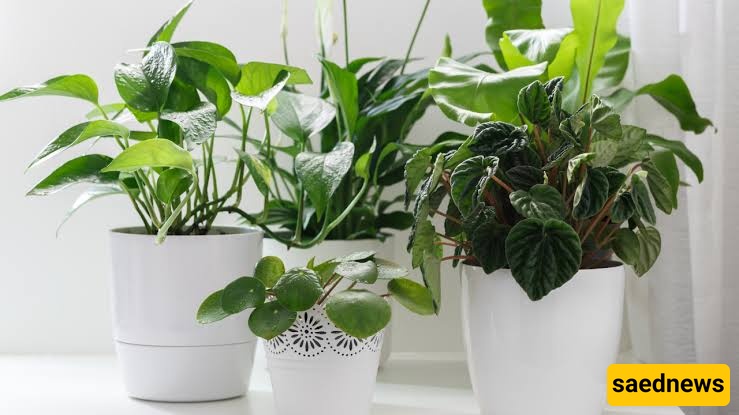
According to SAEDNEWS, Houseplants naturally release water vapor through tiny openings in their leaves. As plants absorb water from the soil, some of it eventually moves into the surrounding air. Having several plants in a room can therefore contribute to a modest increase in indoor humidity, particularly when ventilation is limited.
The amount of moisture released varies among plants. Larger plants with more leaves generally have greater potential to release water vapor than small plants. Keeping several healthy plants together may have a more noticeable effect than having only one small plant. However, plants should not be considered a replacement for a humidifier when humidity needs to be increased significantly.
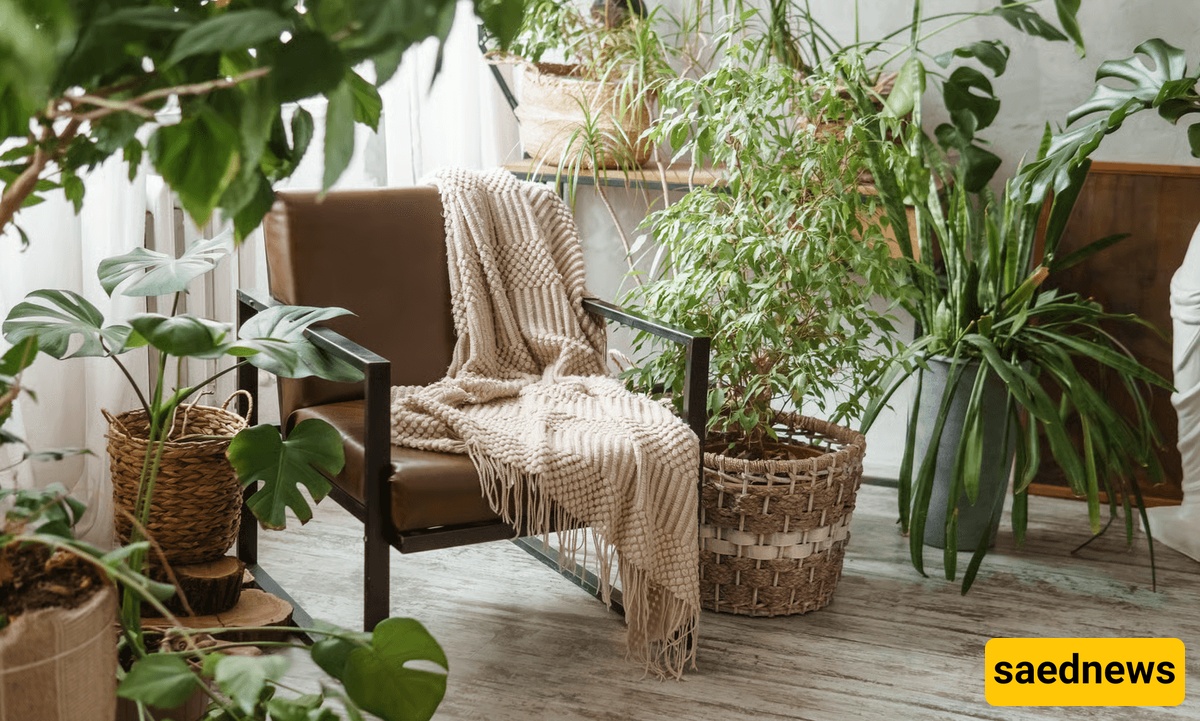
Room ventilation strongly affects how much moisture remains indoors. In a well-ventilated room, water vapor released by plants can quickly move outside, reducing their impact on indoor humidity. In a closed space, moisture may remain in the air for longer. Balanced ventilation is important because excessive moisture can encourage unwanted dampness.
Plant care can influence indoor moisture levels. Overwatering does not necessarily provide a better humidity benefit and can create excessively damp soil. Appropriate watering based on each plant's needs is a better approach. Good drainage also helps prevent standing water and keeps the growing environment healthier.
Houseplants can be a simple addition to an indoor space and may provide a small natural contribution to humidity. Their effect is usually gradual and depends on the overall conditions of the room. For the best results, combine healthy plants with suitable ventilation, moderate watering, and regular monitoring of indoor humidity.