SAEDNEWS: If you’re looking for an ornamental plant with beautiful sky-blue flowers that can bring a sense of freshness and tranquility to your home or garden, Blue Jasmine is a wonderful choice. In this guide, discover more about this beautiful flowering shrub and learn what makes it such a charming addition to any space.
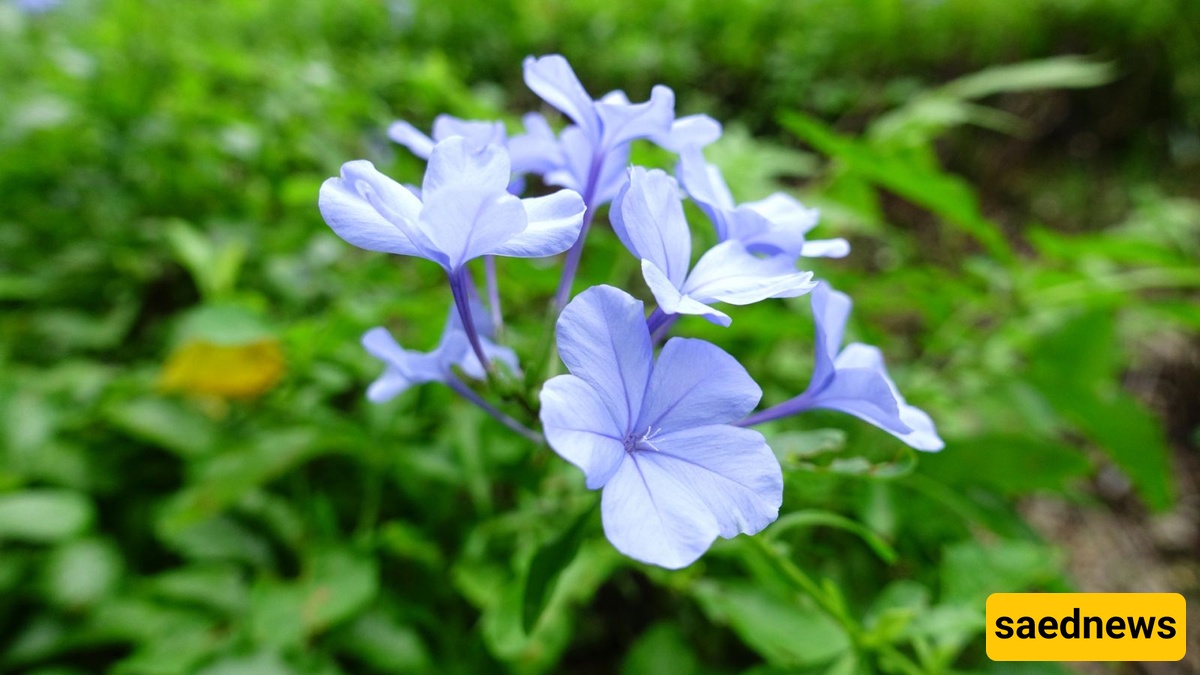
According to Saednews, Blue jasmine is native to the tropical regions of South Africa and belongs to the Plumbaginaceae family. It grows as a short, climbing shrub and usually reaches a height of 75–100 cm, although it can grow larger under ideal conditions. One of its most notable characteristics is its flexible stems, which can easily climb trellises, walls, and other supports. For this reason, it is often used to cover walls and fences and is also suitable for hanging baskets.
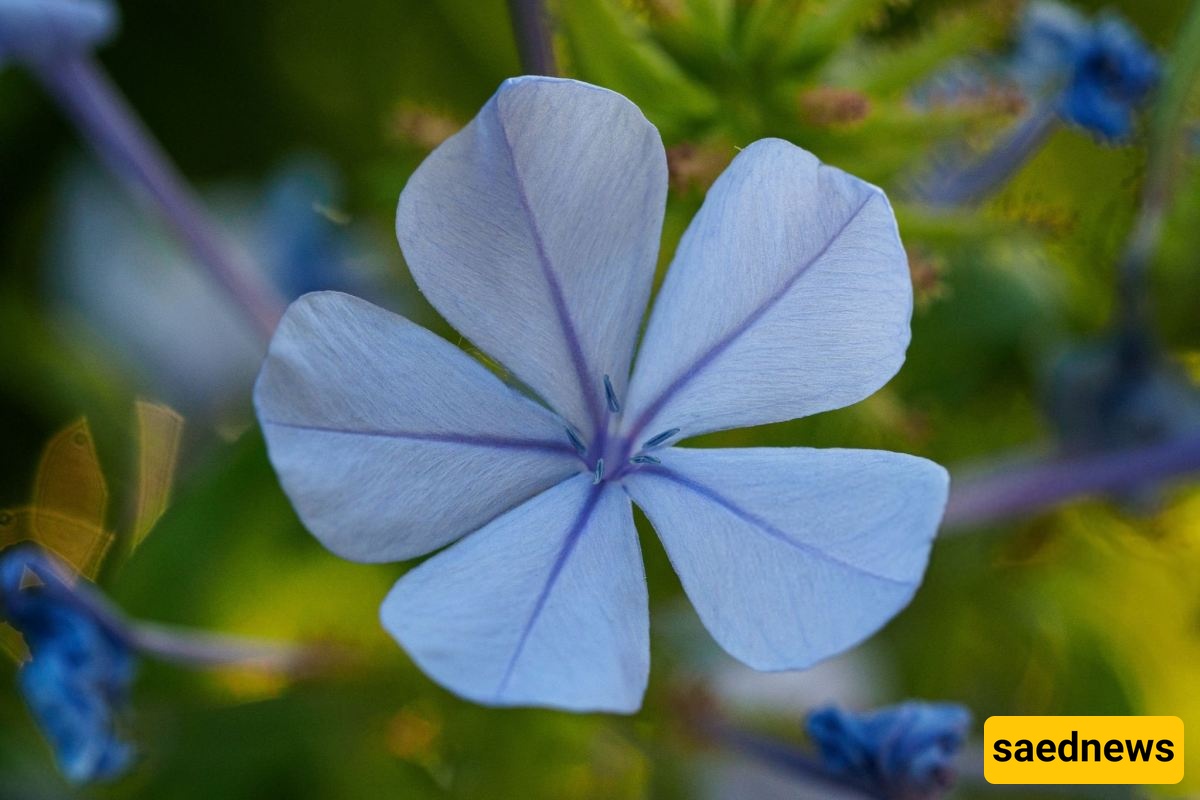
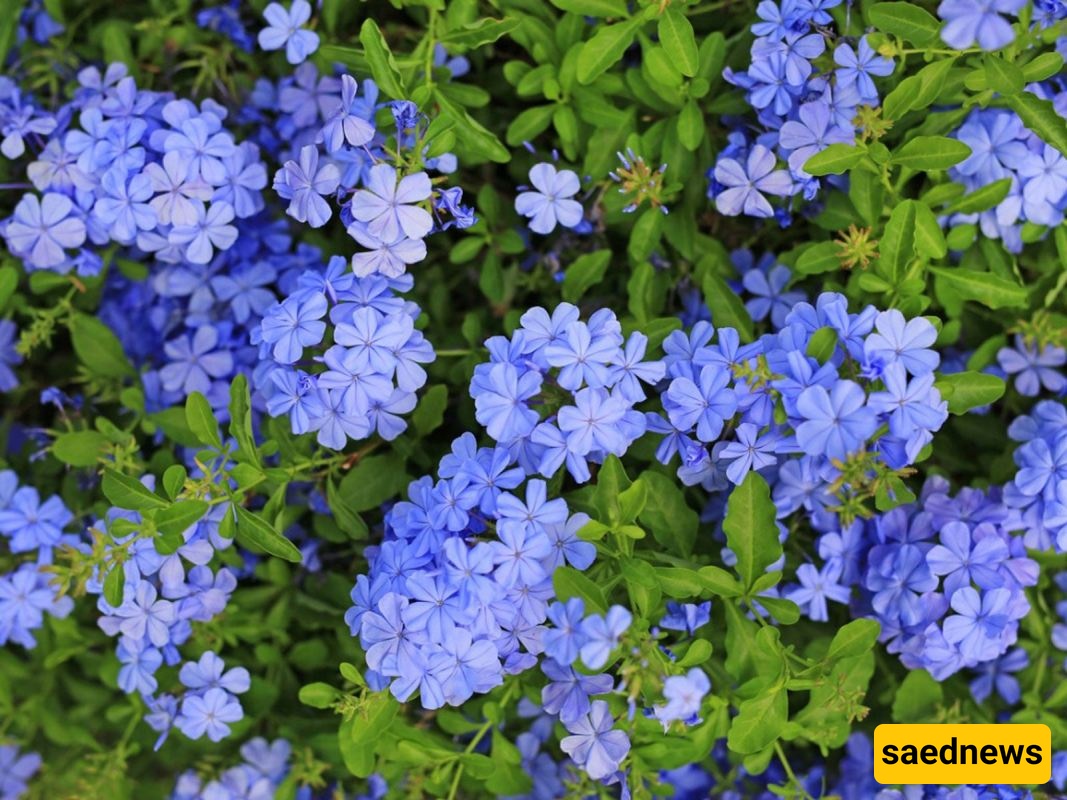
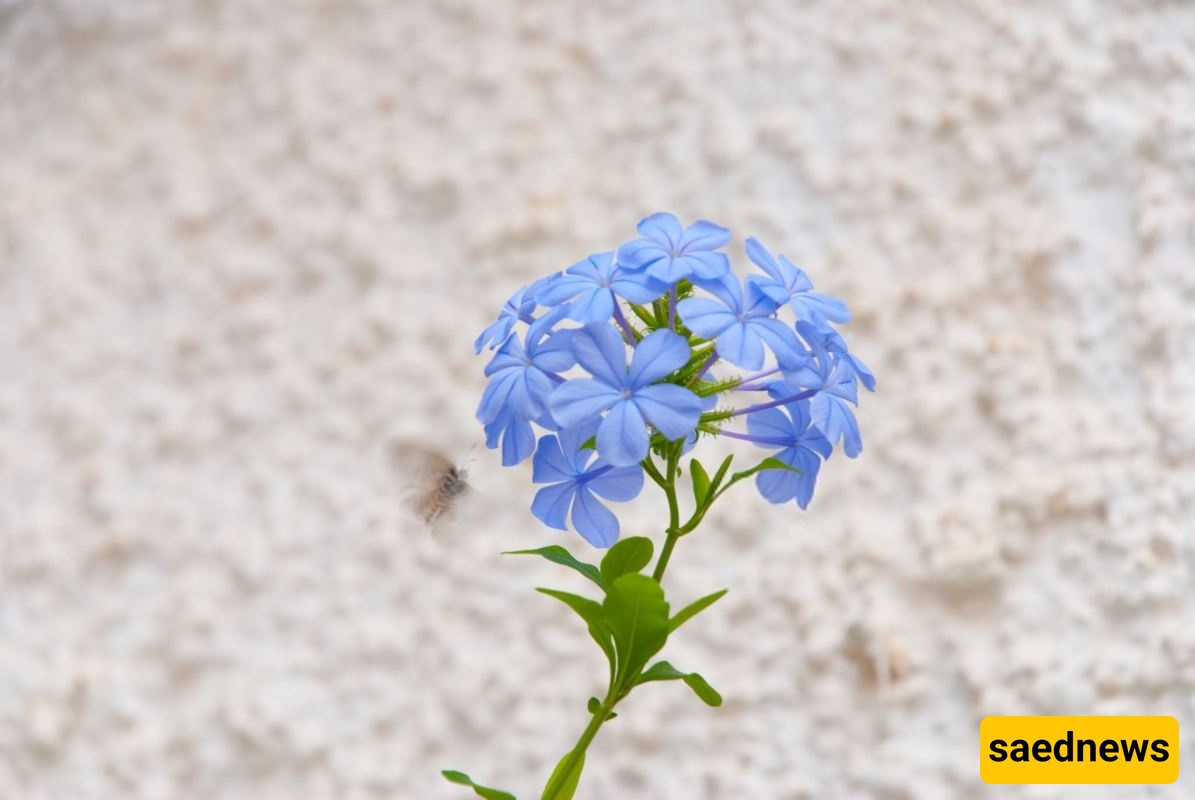
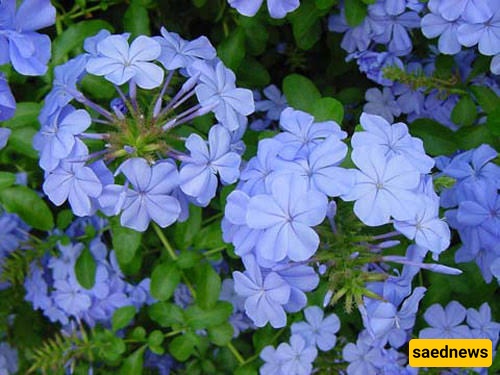
The leaves of blue jasmine are light green and oval to lance-shaped. Its flowers appear in dense clusters at the ends of the stems. The flowers have a green calyx and a tubular structure covered with fine hairs, along with a narrow corolla tube ending in five lobes. Interestingly, the flowers of blue jasmine closely resemble those of phlox, which is why the plant is sometimes called tree phlox. The flowers are primarily sky blue, although varieties with white and deep-blue flowers are also available.
In tropical climates, this plant grows vigorously and can quickly cover a tall wall. In colder regions, blue jasmine is generally grown in containers and kept in a greenhouse or indoors. In Iran, it is also used as an attractive landscaping plant in places such as Eram Garden in Shiraz, where it adds a distinctive visual appeal to the garden.
To keep your blue jasmine healthy, vigorous, and full of flowers, it is important to provide suitable growing conditions. The following are the plant's main requirements.
Blue jasmine is highly sensitive to cold temperatures, and temperatures below 7°C (45°F) can cause serious damage. Therefore, in regions with cold winters, it is best to move potted plants to a cool greenhouse or indoors.
The ideal temperature range for vegetative growth is approximately 18–25°C (64–77°F). During winter, protect the plant from cold drafts and freezing temperatures.
Blue jasmine thrives in bright light. For abundant flowering, it needs several hours of direct sunlight each day. However, during extremely hot summer weather, intense midday sunlight can damage the leaves. In such conditions, provide partial shade or filter the sunlight with a thin curtain.
During winter, when light intensity is lower, place the plant in the brightest location possible, such as near a south-facing window. Insufficient light can result in reduced flowering and weak, leggy growth.
Blue jasmine requires consistent moisture but does not tolerate waterlogged soil around its roots.
During spring and summer, watering approximately twice a week is generally sufficient. Allow the soil to remain slightly moist between waterings, but make sure that excess water does not remain in the saucer beneath the pot.
In autumn and winter, reduce watering to approximately once every ten days, allowing the surface layer of soil to dry between waterings.
Overwatering is one of the most common causes of root rot and yellowing leaves in blue jasmine.
Blue jasmine can grow well in ordinary garden soil as long as it has good drainage. For container cultivation, an appropriate potting mix can consist of leaf mold, peat moss, loam, and sand.
This combination provides nutrients while helping prevent excess water from accumulating around the roots. A soil pH of approximately 6–7, ranging from neutral to slightly acidic, is ideal.
To encourage large and abundant flowers, blue jasmine should be fertilized regularly.
From early spring until the end of summer, apply a water-soluble fertilizer formulated for flowering plants every two weeks, preferably one with a relatively high potassium content.
Stop fertilizing completely during autumn and winter so the plant can enter its natural resting period.
When using chemical fertilizers, always follow the instructions on the product label and avoid overfertilizing, as excessive fertilizer can cause salt buildup and root damage.
Because blue jasmine grows relatively quickly, it generally benefits from being moved to a pot one size larger each year.
The best time to repot is early spring, before new growth begins. Carefully remove the plant from its existing pot, trim away damaged roots, and place it in the new container with fresh soil.
If a larger pot is not available, you can replace the top layer of soil with fresh, nutrient-rich soil to replenish nutrients that have been depleted.
If you want to produce more blue jasmine plants, several relatively simple propagation methods can be used.
Stem cuttings are the most common method of propagation.
In summer, take 10–15 cm (4–6 inch) semi-mature stem cuttings from the parent plant and remove the lower leaves. Plant the cuttings in a mixture of peat moss and perlite and maintain humidity by covering them with a transparent plastic cover.
Rooting usually occurs within a few weeks, after which the young plants can be transferred to their permanent pots.
Blue jasmine develops a bushy growth habit, and rooted shoots can sometimes be separated from the parent plant.
In spring, remove the plant from its container and divide the root mass into smaller sections, making sure each section has healthy roots. Plant each division separately and water immediately.
Layering is another easy propagation technique.
Select a long, flexible stem and place part of it against the soil, securing it firmly with a peg or clip. Cover the section with soil and keep it consistently moist.
Once roots have developed, the new plant can be separated from the parent plant.
Seeds can be sown in a seed-starting medium in late winter. Germination usually occurs at temperatures of around 20°C (68°F).
Plants grown from seed may take several years before they reach flowering maturity.
Like other ornamental plants, blue jasmine can be affected by various pests and diseases. Recognizing symptoms early and taking prompt action can help maintain the plant's health.
Sticky material on flowers and flower buds is usually a sign of an infestation by aphids or scale insects. These pests feed on plant sap and produce a sticky substance known as honeydew.
To control the infestation, use a systemic insecticide according to the product instructions. Spraying is best done during the cooler hours of the day or in the evening.
If young, newly developing leaves begin to fall, the plant may be suffering from a nutrient deficiency.
Begin regular feeding with a complete water-soluble fertilizer every two weeks to help restore healthy growth and encourage flowering.
Flower buds that remain tightly closed are often caused by low temperatures or insufficient light.
Move the plant to a warmer location and make sure it receives adequate direct sunlight, particularly during the first few hours of the day.
Excessive heat and dry air can cause flower buds to drop before opening.
Move the plant to a cooler location with gentle air circulation. You can also lightly mist the leaves with clean, lukewarm water to increase humidity.
Leaves that become wrinkled and turn brown may indicate low humidity or leaf scorch caused by intense direct sunlight.
Moving the plant to a cooler and more humid environment can help improve its condition. Regular misting may also be beneficial.
Yellowing and dropping of the lower leaves is commonly associated with overwatering and poor drainage.
Allow the surface of the potting soil to dry between waterings and always remove excess water from beneath the pot. If the container does not drain properly, repot the plant in a container with adequate drainage holes.
White, cotton-like patches on the leaves are a typical sign of mealybugs.
Small infestations can be treated by wiping the affected areas with a cotton swab or pad moistened with an appropriate insecticide. For severe infestations, treatment can be repeated every two weeks according to the insecticide's instructions.
When spraying, avoid direct contact with the flowers, as the delicate floral tissue can be damaged.
If the leaves of blue jasmine turn black, the plant may have been treated with a chemical leaf-shine product.
These products can block the plant's stomata, interfering with gas exchange and potentially causing leaf damage and blackening.
Avoid using chemical leaf-shine products on blue jasmine. Instead, gently clean the leaves with a soft, damp cloth.