SAEDNEWS: Overwatering is one of the most common causes of unhealthy houseplants. Yellow leaves, soft stems, moldy soil, and slow growth can all indicate that a plant is receiving more water than its roots need. Recognizing these signs early can help prevent serious root problems.
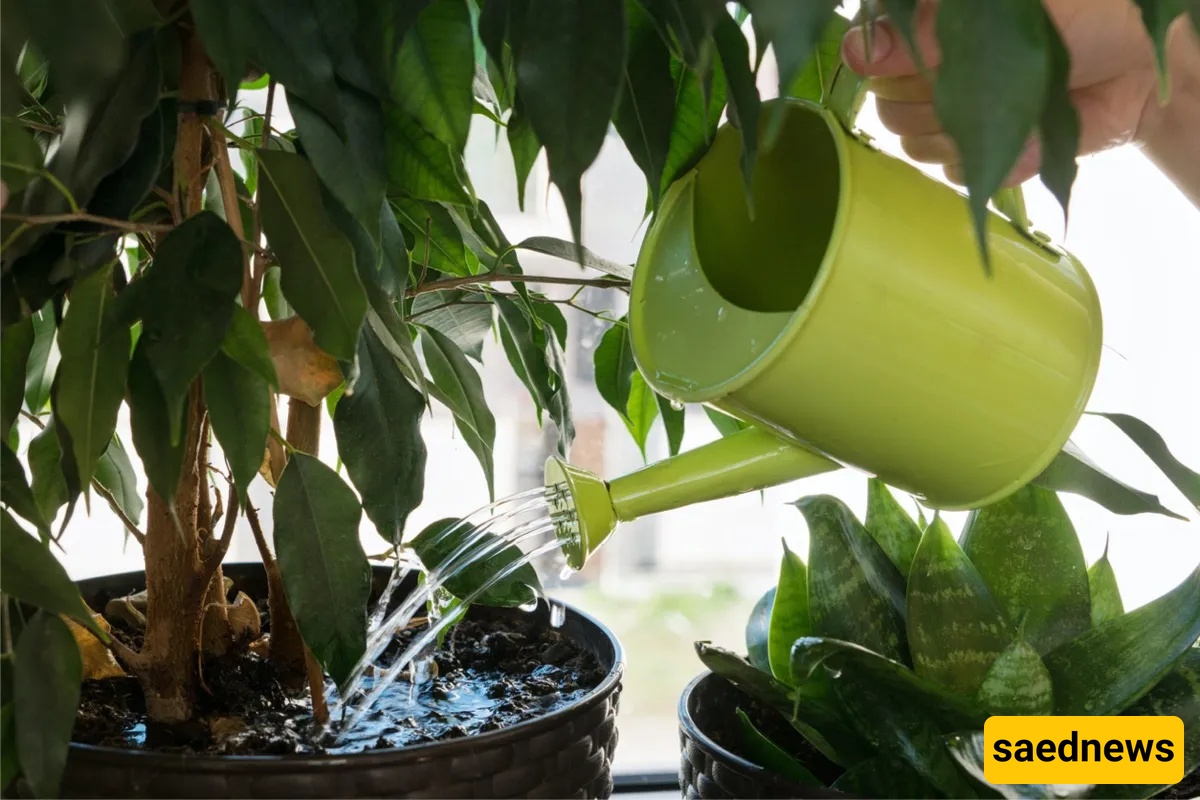
According to SAEDNEWS, too much watering is a common reason houseplants become unhealthy. Yellowing leaves, weak stems, damp or moldy soil, and poor growth may all suggest that the plant is getting more water than its roots can handle. Spotting these symptoms early can help protect the roots from further damage.
Yellow leaves are often one of the first visible signs of overwatering. When the soil remains constantly wet, roots may struggle to absorb oxygen and nutrients properly. If several leaves begin turning yellow at the same time, check the soil moisture before watering again.
Overwatered plants can have leaves that look unusually soft, weak, or droopy. Although underwatering can also cause wilting, an overwatered plant usually has damp soil. Checking the moisture several centimeters below the surface can help distinguish between the two problems.
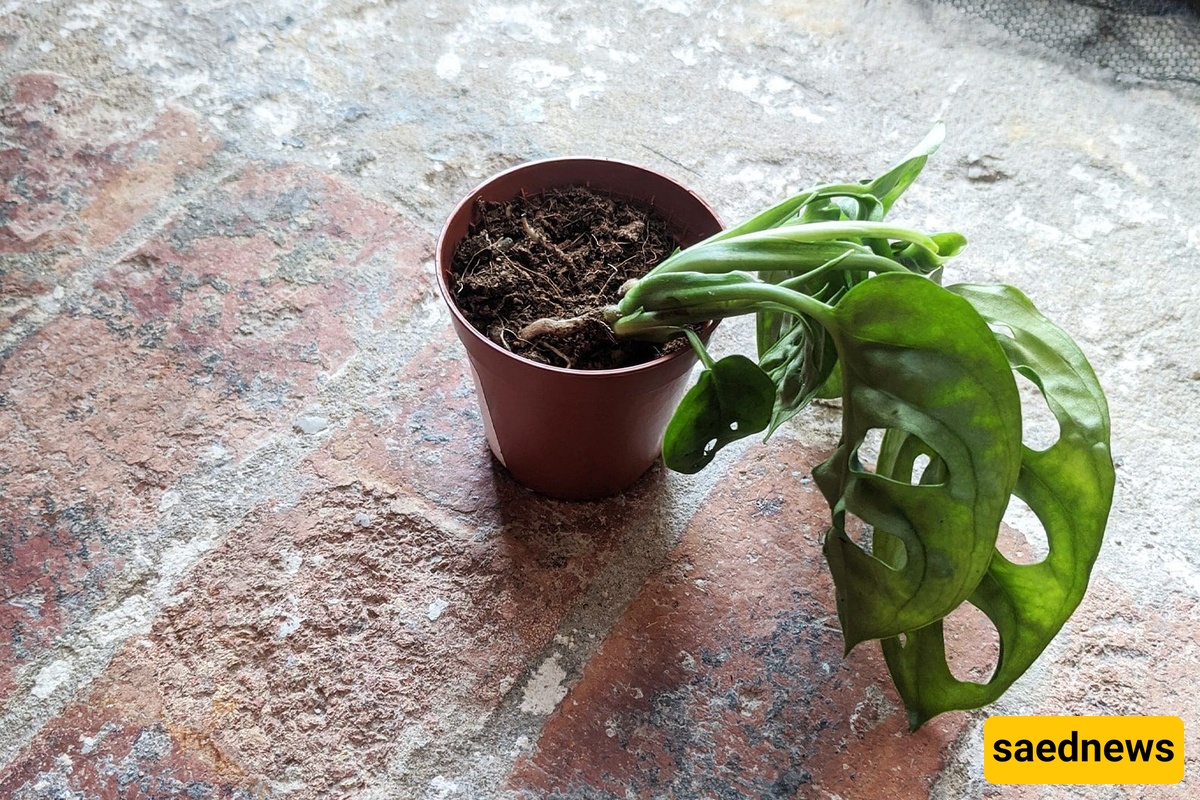
Soil that stays wet for many days after watering may indicate that the plant is receiving too much water or that the pot does not drain properly. Excess moisture can prevent healthy airflow around the roots. Allowing the upper layer of soil to dry before watering again can help restore a better balance.
White mold-like growth on the soil surface or an unusual musty smell can appear when soil remains excessively moist. These signs suggest that the growing medium is not drying adequately. Improving drainage and reducing watering frequency may help create a healthier environment for the roots.
Overwatering can eventually damage the roots, making it difficult for a plant to grow normally. New leaves may appear slowly, while existing foliage can become weak or discolored. If the problem continues, carefully checking the roots and replacing excessively wet soil may be necessary.
Watering should be based on the plant's needs rather than a fixed daily schedule. Check the soil before adding more water, make sure the container has drainage holes, and avoid leaving the roots sitting in collected water. These simple habits can help keep plants healthier and encourage stronger growth.