SAEDNEWS: High summer temperatures can place stress on plants, especially when strong sunlight, dry soil, and hot air increase water loss. Proper watering, shade, suitable placement, mulching, and regular monitoring can help plants stay healthy and resilient throughout the hottest days.
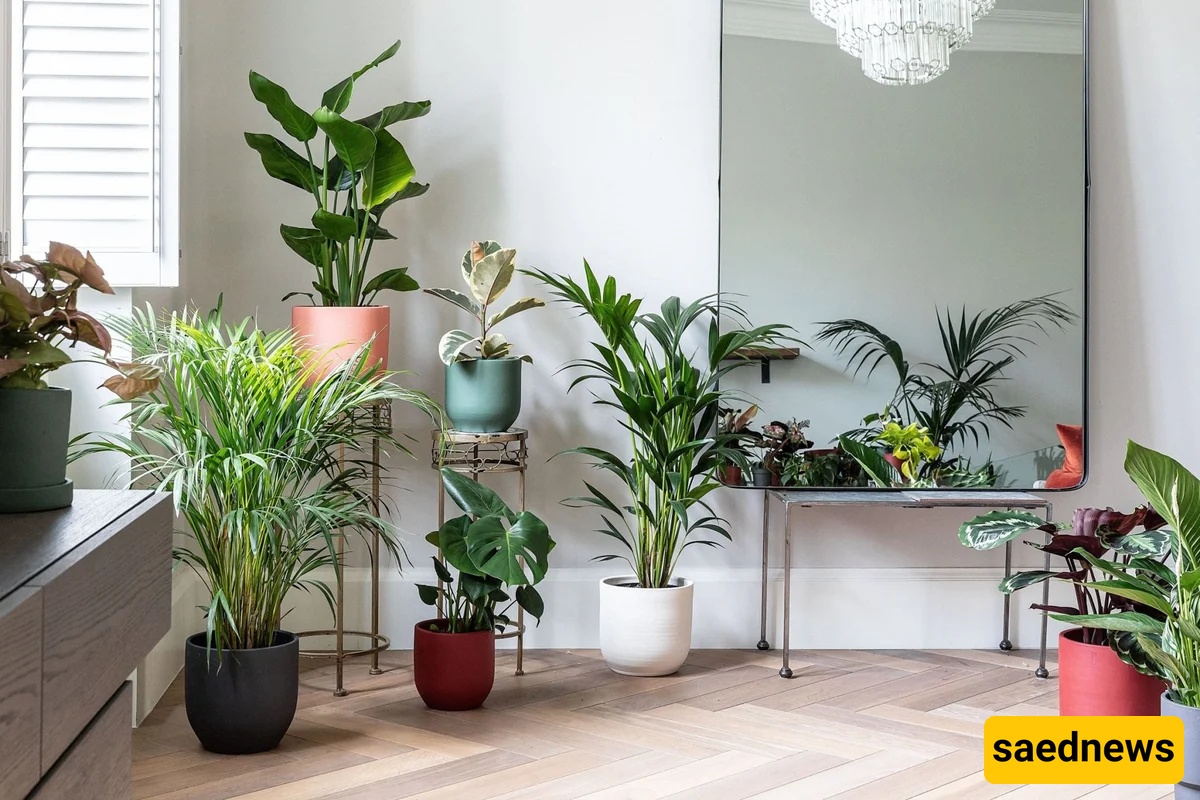
According to SAEDNEWS, summer heat can affect plants by causing rapid moisture loss, drooping leaves, leaf damage, and slower growth. Indoor and outdoor plants may both need extra attention when temperatures rise. Adjusting daily care according to the weather can reduce heat stress and help plants remain healthy.
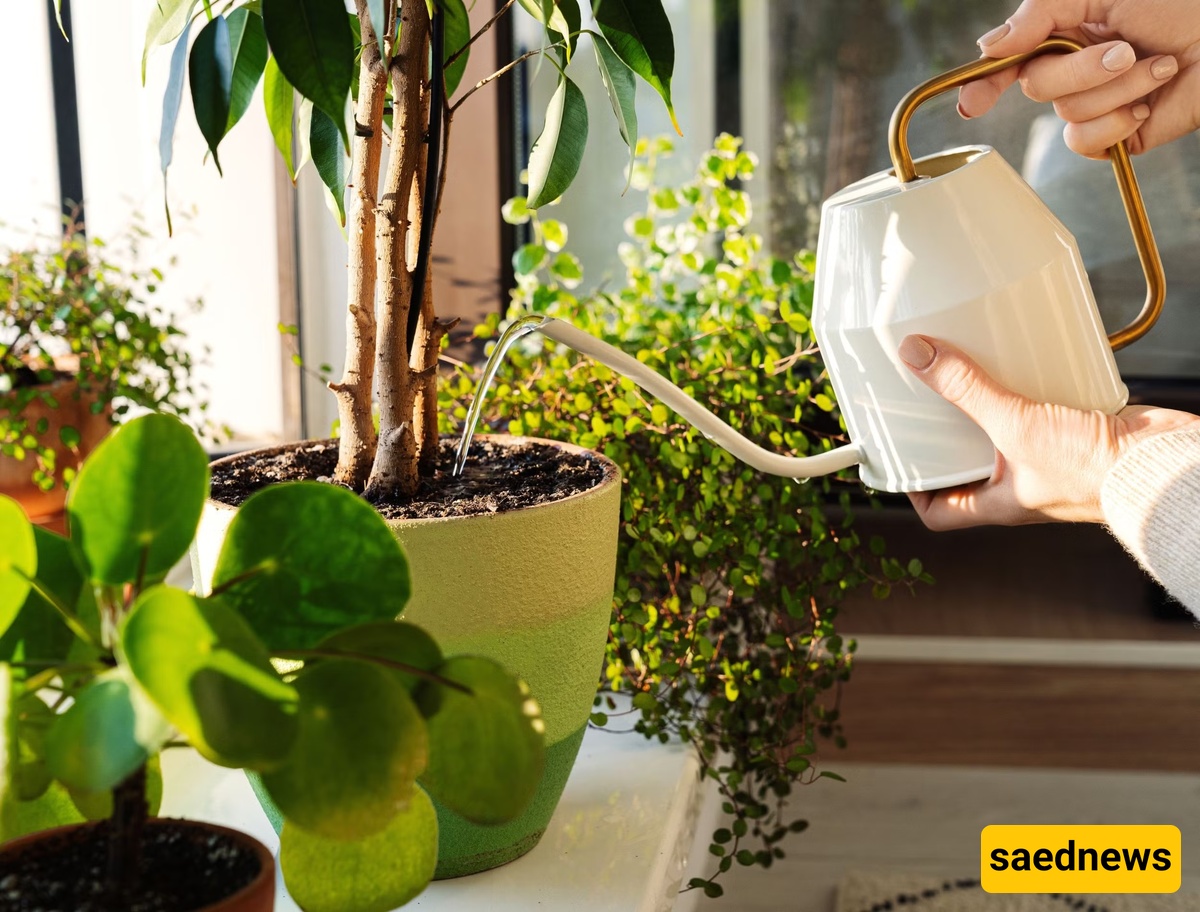
Watering early in the morning or later in the evening can help reduce moisture loss caused by intense sunlight. Give the soil enough water to become evenly moist, while avoiding excessive watering that can leave the roots sitting in water. Check the soil regularly because plants in small pots may dry out more quickly.
Some plants can tolerate direct sunlight, while others may suffer from intense afternoon heat. During very hot days, move potted plants to a bright but partially shaded location when possible. For outdoor plants, temporary shade can protect delicate leaves from excessive sunlight and reduce the temperature around the plant.
Use A Protective Layer
A layer of suitable organic material around the base of outdoor plants can slow evaporation and help keep the soil cooler. Keep the material slightly away from the plant stem to allow good airflow. Mulching is particularly helpful during periods when the soil dries quickly.
Very hot weather is not the best time for major pruning, repotting, or other activities that can place additional stress on plants. Remove only clearly damaged leaves when necessary and postpone major changes until temperatures become more moderate. Keeping the plant's environment stable can support recovery during heat waves.
Regular observation makes it easier to respond before serious damage develops. Drooping leaves, dry soil, curled edges, or pale and scorched areas can indicate that a plant is struggling with heat. Adjust watering, shade, and placement according to the plant's condition rather than following exactly the same routine for every plant.