SAEDNEWS: Preparing indoor plants for the cold season helps them cope with lower temperatures, reduced sunlight, and drier indoor air. Adjusting watering, improving light exposure, protecting plants from cold drafts, and maintaining suitable humidity can support healthier growth throughout the colder months.
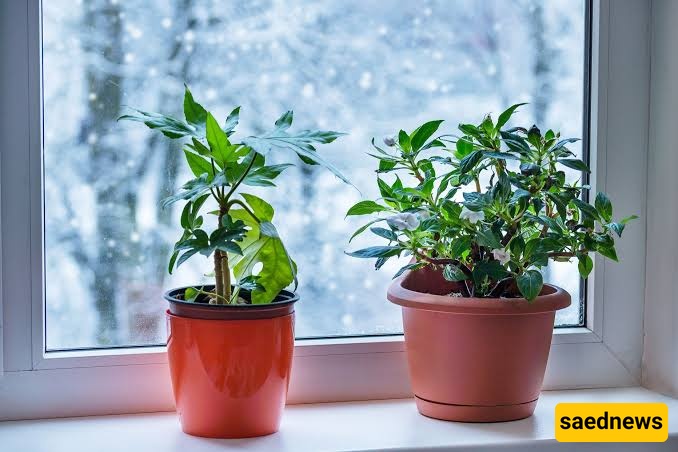
According to SAEDNEWS, indoor plants often need different care as the weather becomes colder. Lower temperatures and shorter days can slow their growth, meaning they generally require less water and fertilizer. Before the cold season begins, inspect each plant and remove dry or damaged leaves to help maintain its overall condition.
Cold air entering through windows and doors can stress sensitive plants. Place pots in bright areas away from direct drafts, cold glass, and frequently opened doors. However, avoid placing plants too close to strong heating sources, as excessive heat can dry their leaves and soil.
Plants usually consume less water during colder months because their growth slows down. Check the soil before watering rather than following a fixed schedule. If the upper layer still feels moist, wait before adding more water. Overwatering during the cold season can create unfavorable conditions for the roots.
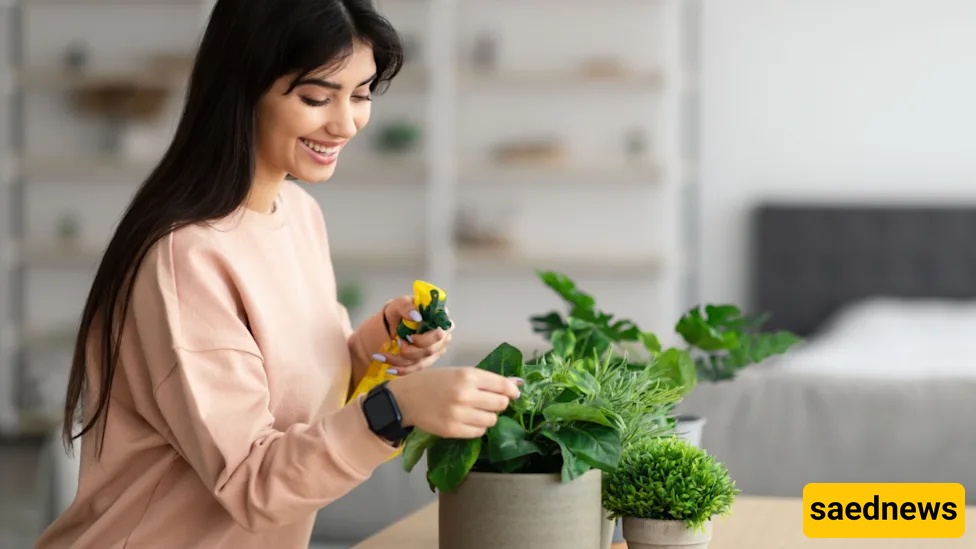
Shorter winter days can reduce the amount of natural light available indoors. Move plants closer to a bright window when appropriate, while protecting them from extreme cold. Rotating pots occasionally can also help different sides of the plant receive more balanced light.
Indoor heating can make the air noticeably dry, which may affect leaves and cause brown edges. Grouping plants together can help create a slightly more humid environment. Keeping plants clean by gently removing dust from their leaves can also help them make better use of the available light.
Many indoor plants enter a slower-growth period during the cold season, so frequent fertilizing is usually unnecessary. Continue checking leaves, stems, and soil for signs of stress or pests. Simple adjustments to watering, light, temperature, and humidity can help indoor plants remain healthy until warmer weather returns.