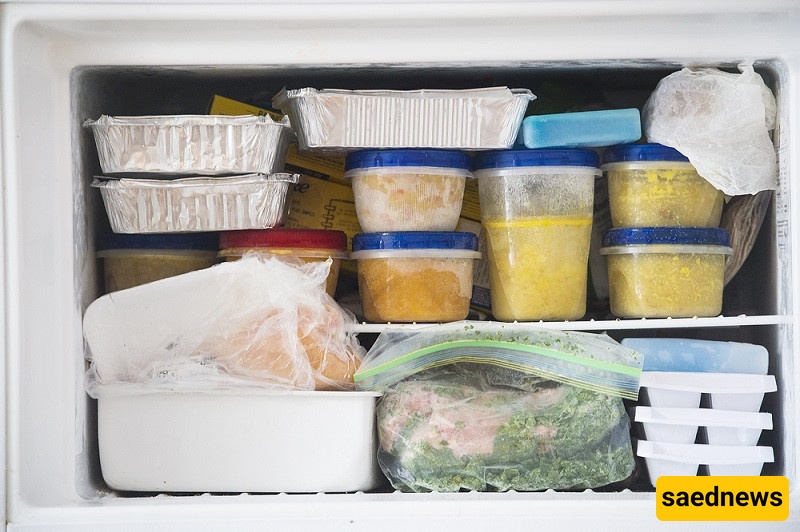
SAEDNEWS: Freezing is a convenient way to preserve many foods, but some items lose their texture, taste, or quality when frozen. Knowing which foods should stay out of the freezer can help prevent waste and keep meals enjoyable.
According to SAEDNEWS, some fresh vegetables and fruits contain a high amount of water and may become soft or watery after thawing. Items such as lettuce, cucumbers, and tomatoes are generally better kept fresh when they are intended for salads or similar dishes. Freezing can damage their natural texture and make them less appealing.
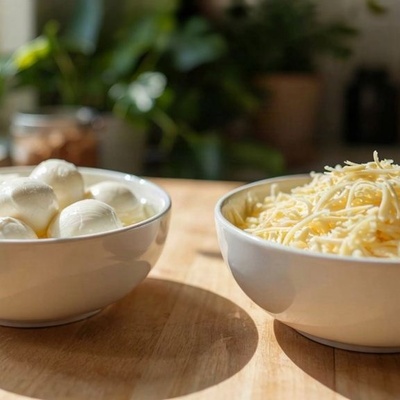
Certain soft foods do not freeze well because their structure changes during freezing and thawing. Fresh cream-based mixtures, some soft cheeses, and foods with delicate textures may separate or become grainy. If texture is important, it is better to store these foods in the refrigerator according to their storage needs.
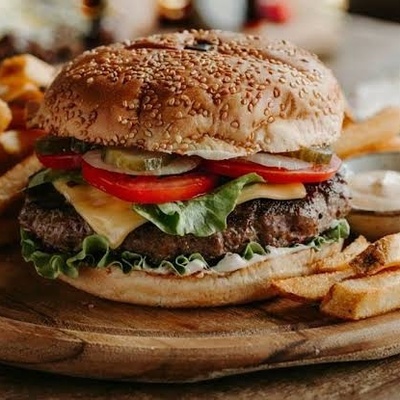
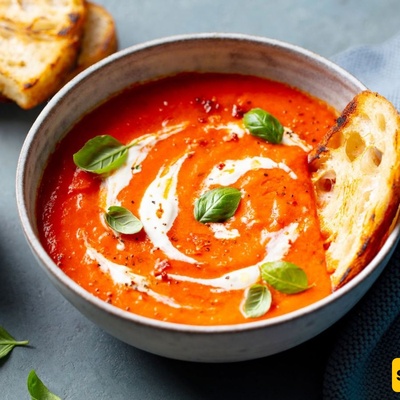
Some cooked foods can lose their original consistency after freezing. Fried foods may become less crisp, while dishes containing large amounts of cooked vegetables can become soft after thawing. For better results, foods that freeze well should be cooled properly and stored in suitable airtight containers.
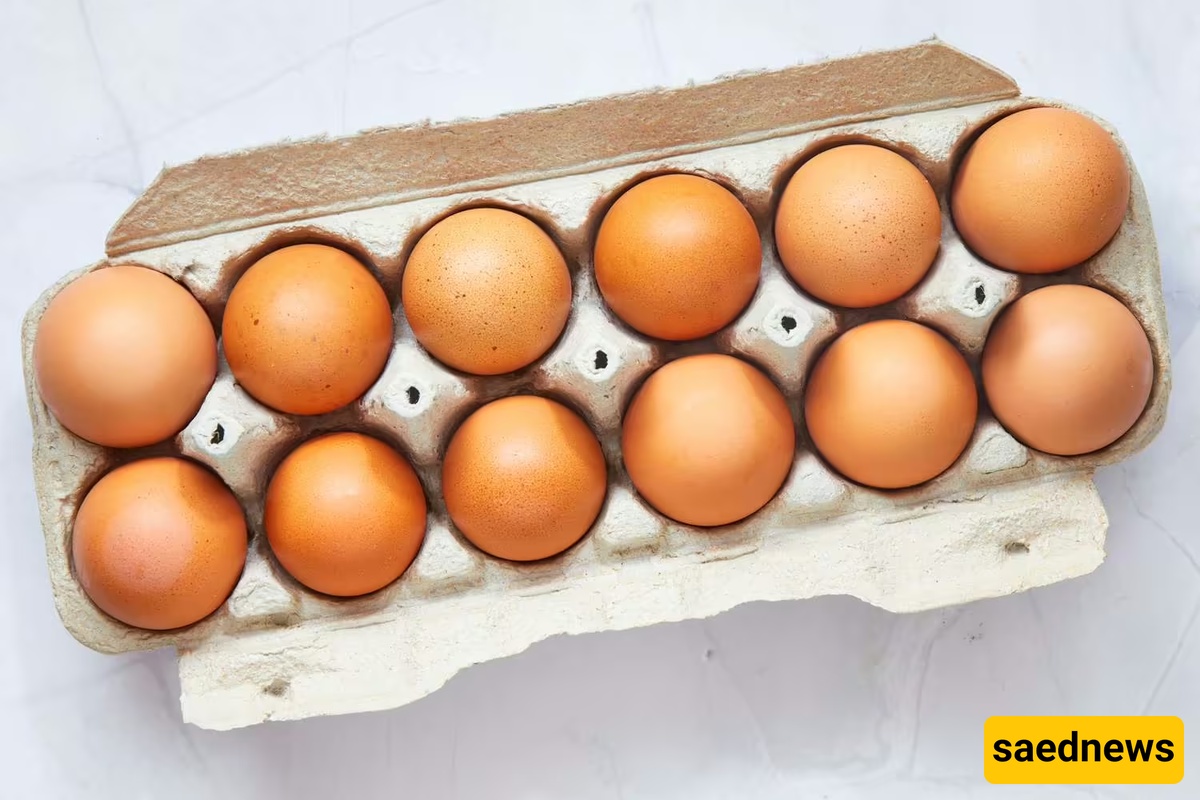
Raw eggs should not be frozen in their shells because the liquid inside expands as it freezes, which can cause the shells to crack. If eggs need to be frozen, they should first be removed from their shells and handled according to safe food-storage practices.
Understanding which foods tolerate freezing can make meal preparation easier and reduce unnecessary food waste. Foods that freeze well should be packed in airtight containers or suitable freezer bags, with excess air removed whenever possible. Labeling containers with the food name and storage date can also make it easier to use frozen foods while they are still at their best.