SAEDNEWS: Winter can stress houseplants due to less light, cooler temperatures, and dry air. Adjusting watering, light, and humidity helps keep them healthy.
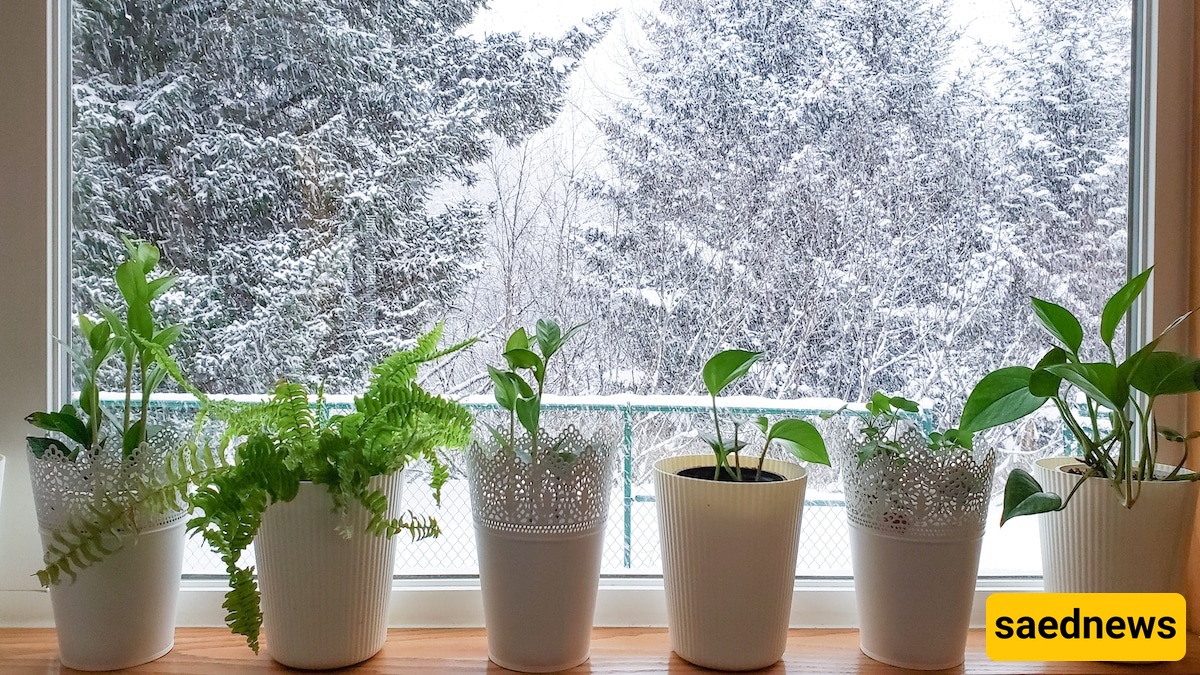
According to SAEDNEWS, caring for plants in winter requires a few changes to their normal routine. Since many plants grow more slowly during the colder months, they often need less water and fertilizer. Paying attention to the condition of the soil and leaves is more helpful than following a fixed schedule.
Winter plants usually need less frequent watering because lower temperatures and reduced growth can slow evaporation. Before watering, check whether the upper layer of soil feels dry. Excess moisture can remain around the roots for longer and may create conditions that damage them. Using pots with proper drainage can also help prevent water from collecting around the roots.
Shorter winter days can reduce the amount of light available to indoor plants. Place plants near a bright window when their needs allow it, while avoiding sudden exposure to very cold glass. Rotating pots occasionally can help different parts of the plant receive more balanced light. Plants that show pale leaves or weak growth may need a brighter location.
Sudden temperature changes can place stress on many houseplants. Keep them away from cold drafts, frequently opened exterior doors, and very cold windows. At the same time, avoid placing plants directly beside strong heating sources, as hot and dry air can cause leaves to become dry or brittle. A stable indoor temperature is generally preferable.
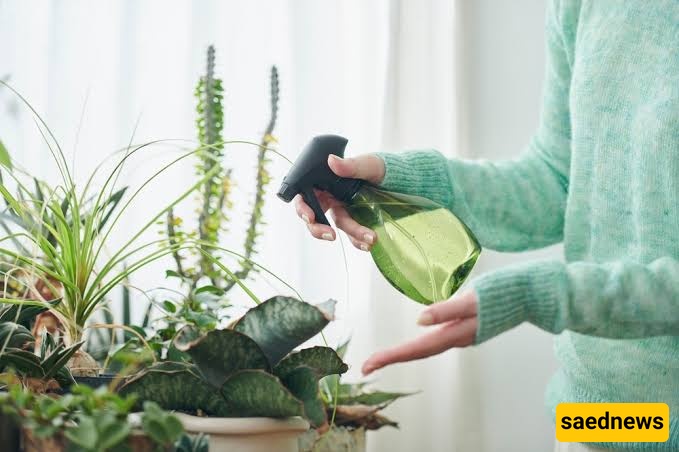
Indoor air can become dry during winter, particularly when heating systems are used regularly. Low humidity may cause brown leaf edges, curling, or excessive dryness in some plants. Increasing humidity around plants with a suitable humidifier or by grouping compatible plants together can help. Good air circulation should still be maintained to reduce excessive moisture around the foliage.
Many plants naturally enter a slower growth period during winter. As a result, frequent fertilizing may not be necessary and should depend on the plant's growth and specific needs. Heavy pruning is also better avoided unless damaged or unhealthy parts need to be removed. Regularly checking leaves, stems, and soil allows problems to be noticed early and helps plants remain healthy until active growth resumes.