SAEDNEWS: Indoor plants can wilt because of simple care mistakes involving watering, light, temperature, soil, and drainage. Understanding these common problems helps keep houseplants healthy, fresh, and vibrant.
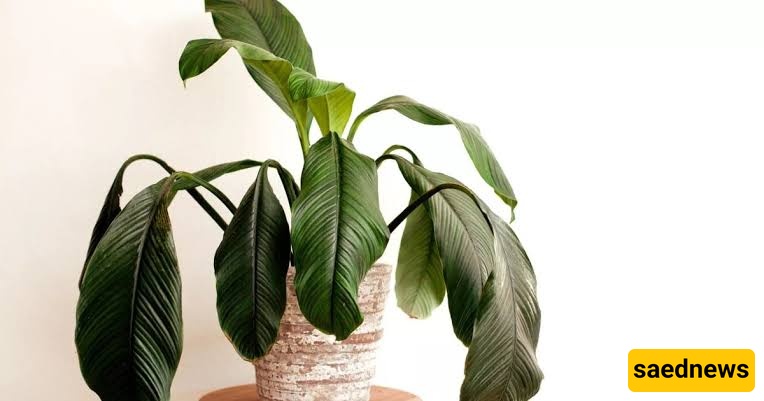
According to SAEDNEWS, improper watering is one of the most common reasons indoor plants become wilted. Both overwatering and underwatering can damage roots and prevent the plant from absorbing enough moisture. Checking the soil before watering can help determine whether the plant actually needs water.
Plants need suitable amounts of light to maintain healthy growth. Keeping a plant in a very dark corner can weaken its leaves and stems, while excessive direct sunlight may cause leaves to dry out. Placing each plant according to its light requirements can prevent unnecessary stress.
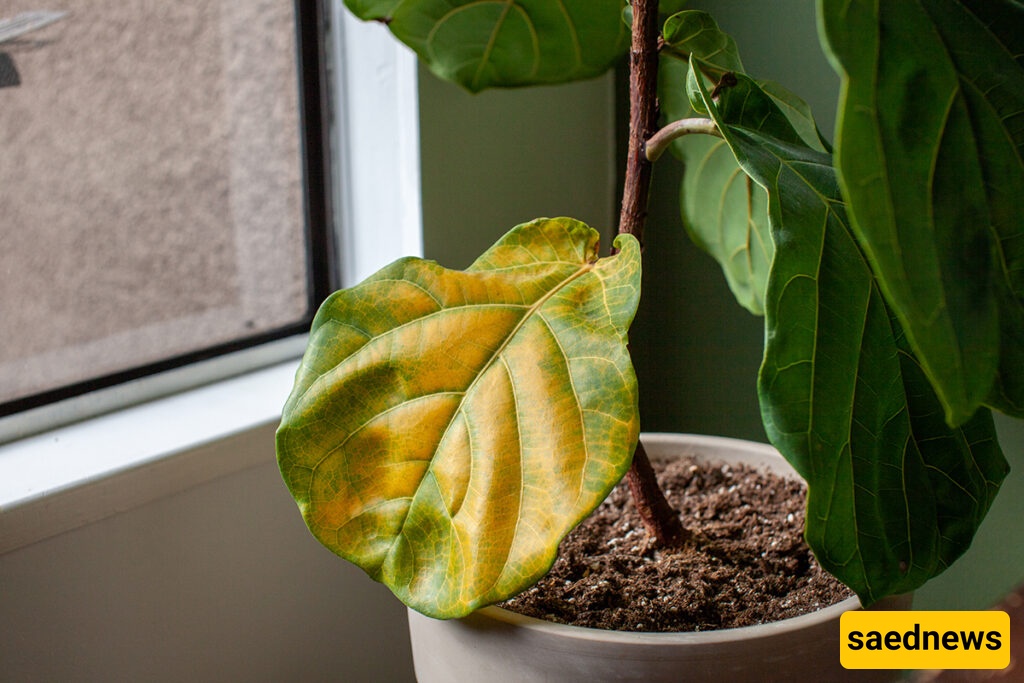
Sudden temperature changes can also cause indoor plants to wilt. Placing plants near strong heating sources, cold windows, or areas with constant drafts may interfere with their normal growth. A stable indoor environment is generally better for maintaining healthy foliage.
Heavy or compacted soil can prevent roots from receiving enough air and may cause excess moisture to remain around them. Containers should have adequate drainage, and the growing medium should allow water to move through without becoming constantly saturated.
Indoor plants benefit from consistent attention rather than occasional intensive care. Removing damaged leaves, checking for signs of stress, rotating plants for balanced light exposure, and observing soil moisture regularly can make a noticeable difference. Small adjustments to daily care can help prevent wilting and support stronger, healthier plants.