SAEDNEWS: Plants often show visible changes before their health seriously declines. Yellowing leaves, drooping stems, dry edges, slow growth, and unusual spots can all signal that a plant needs attention. Recognizing these signs early can help prevent further damage and support healthier growth.
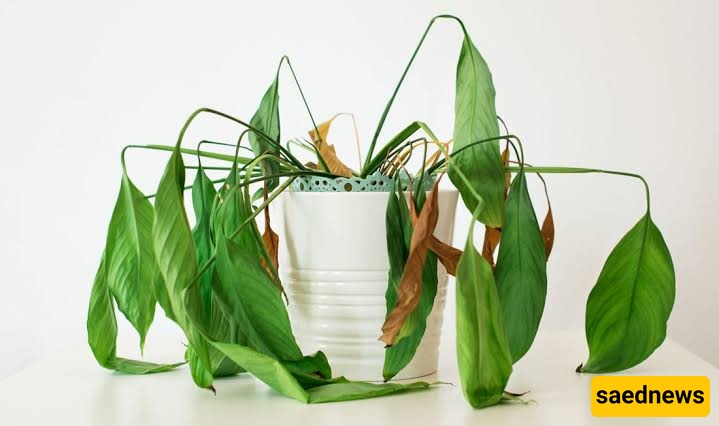
According to SAEDNEWS, changes in a plant’s leaves are often among the first clues that something is wrong. Yellowing, curling, fading, or sudden leaf loss may indicate problems with watering, light, temperature, or soil conditions. Observing these changes regularly makes it easier to respond before the plant becomes severely weakened.
Leaves that suddenly become limp or stems that lose their firmness can be a sign of stress. Both insufficient and excessive watering may cause drooping, so checking the soil before adding more water is important. If the soil remains very wet for a long time, improving drainage may be necessary.
Healthy leaves generally maintain a consistent color appropriate to the plant variety. Yellow, pale, or unusually dark leaves can indicate an imbalance in growing conditions. Moving the plant to a more suitable location and adjusting its care routine may help it recover.
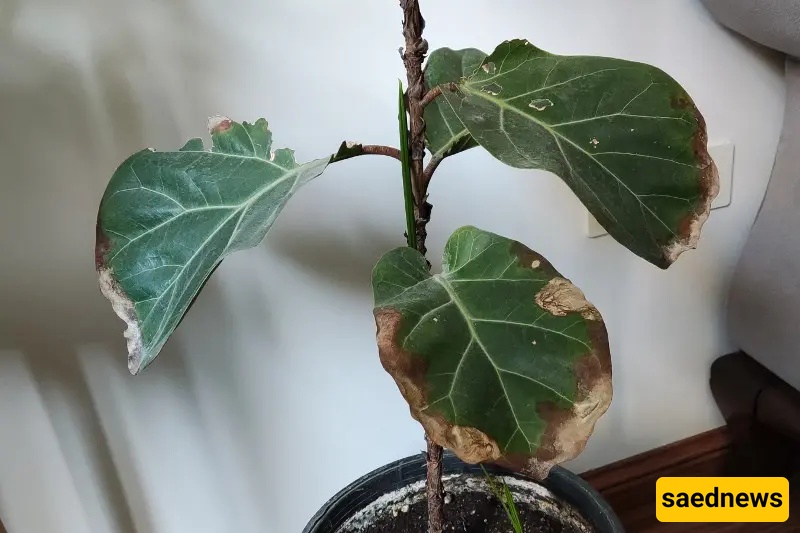
Brown, crispy edges often suggest that the plant is experiencing dryness or environmental stress. Low humidity, irregular watering, excessive direct sunlight, or heat can contribute to the problem. Removing severely damaged leaves and providing more consistent care can help protect new growth.
A noticeable slowdown in growth can also be an early warning sign. Weak or unusually small new leaves may appear when a plant does not receive suitable light, moisture, or nutrients. Checking its growing environment and maintaining a regular care routine can give the plant a better chance to regain strength.
Spots, discoloration, or unexplained leaf loss should not be ignored, especially when the changes spread quickly. Inspecting both sides of the leaves and keeping affected plants separate from healthy ones can help prevent potential problems from spreading. Early observation and timely care are often the best ways to preserve a plant’s health.